Read More


Night Recap - May 27, 2026
4 hours ago









Hong Kong a conduit for mainland, French firms
26-05-2026 06:00 HKT
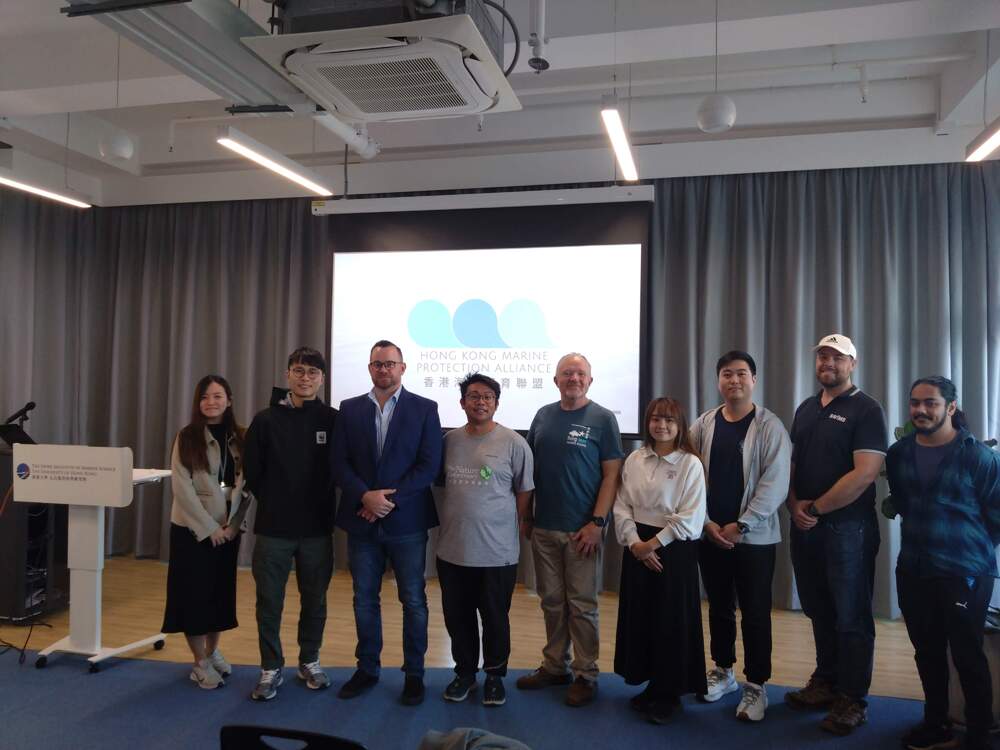
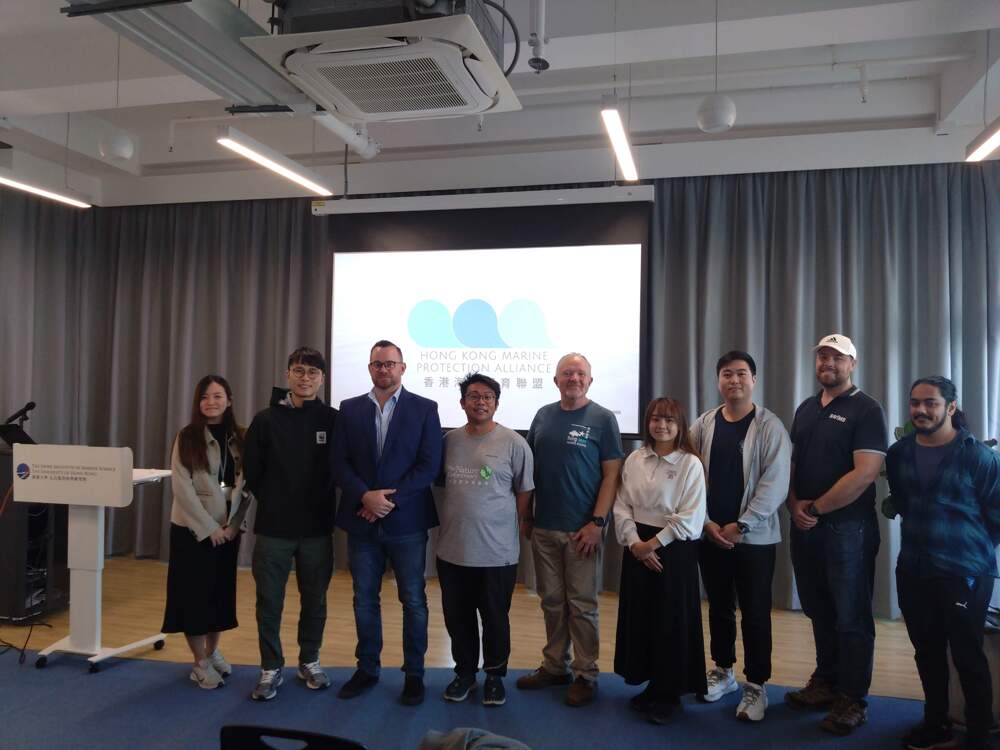
The Hong Kong Marine Protection Alliance has urged the government to designate four areas as Marine Protected Areas (MPAs), which can be promoted for eco-tourism while ensuring sustainable management of marine resources and safeguarding biodiversity.
These four areas, Pak Nai, Port Shelter, Shui Hau, and Ninepin Group, have been chosen due to their critical ecological status and rich biodiversity. Presently, only 5 percent of Hong Kong's waters are designated as MPAs, contrasting starkly with the 40 percent of land in the SAR that is protected, as highlighted by David Baker, the Director of The Swire Institute of Marine Science and an associate professor at The University of Hong Kong.
In comparison, approximately 11 percent of the world's waters are designated as MPAs, and Baker noted that mainland China has been closely observing Hong Kong's marine protection efforts.
The alliance has proposed that 30 percent of Hong Kong's waters should be designated as MPAs by 2030. However, even with the inclusion of the four suggested areas, this would only represent about 10 percent of the total area.
Despite accounting for just 0.03 percent of the South China Sea, Hong Kong's waters are home to an impressive 5,943 marine species, representing over a quarter of the 22,269 species found within China's borders.
Pak Nai, renowned for its oyster farming, serves as a vital feeding ground for horseshoe crabs, black-faced spoonbills, and other waterbirds, with a total of 238 bird species recorded visiting the area over the years.
Port Shelter, known as one of the premier dive sites in Hong Kong, is celebrated for its diverse coral and marine fish species.
Shui Hau features a rare sheltered intertidal sandy mudflat environment that nurtures juvenile horseshoe crabs before their migration to the sea.
The Ninepin Islands boast rich biodiversity and coral diversity, featuring both Hard and Soft corals, a distinction that sets it apart from Pak Nai and Shui Hau.
The alliance emphasized the distinction between an MPA and a restricted area. Kelvin So Jun-yin, the oceans conservation manager at WWF Hong Kong, and Tom Chan, the community conservation manager at The Nature Conservancy, highlighted that completely prohibiting visitors from these areas is impractical, advocating for community-based co-management as a global trend. The economic impact generated could also alleviate government’s high cost of conservation.
For instance, WWF has developed a diving guide for scuba divers to help preserve coral reefs and introduced a clam measurement device to educate the public on allowing clams below a certain size to remain undisturbed. Additionally, a local marine biodiversity database has been established for public access.
The Swire Institute of Marine Science on the Cape d’Aguilar peninsula, which showcases specimens and information, welcomes public visits, including hikers passing by, without the need for pre-booking, as stated by Phil Thompson, the manager of publicity and outreach.