Read More





Night Recap - September 21, 2026
3 hours ago


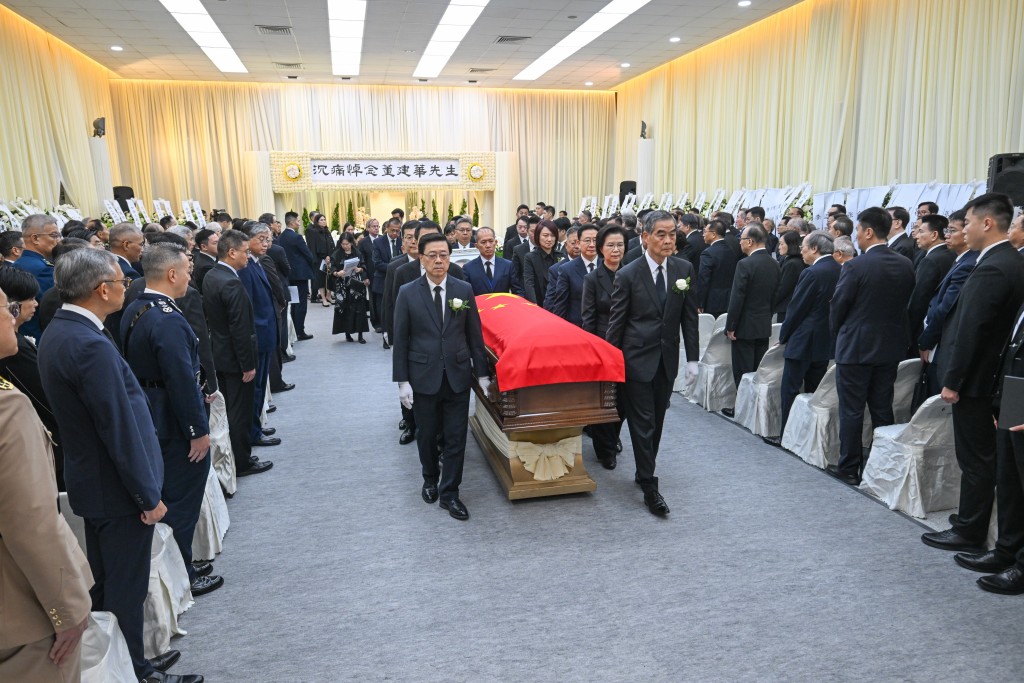
John Lee and CY Leung lead pallbearers for Tung Chee-hwa
20-09-2026 15:54 HKT
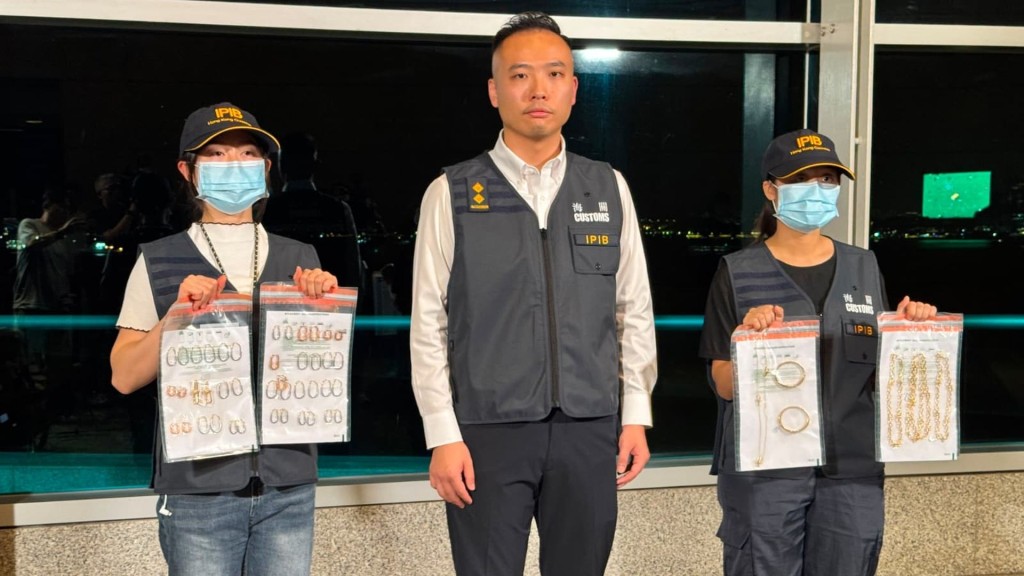
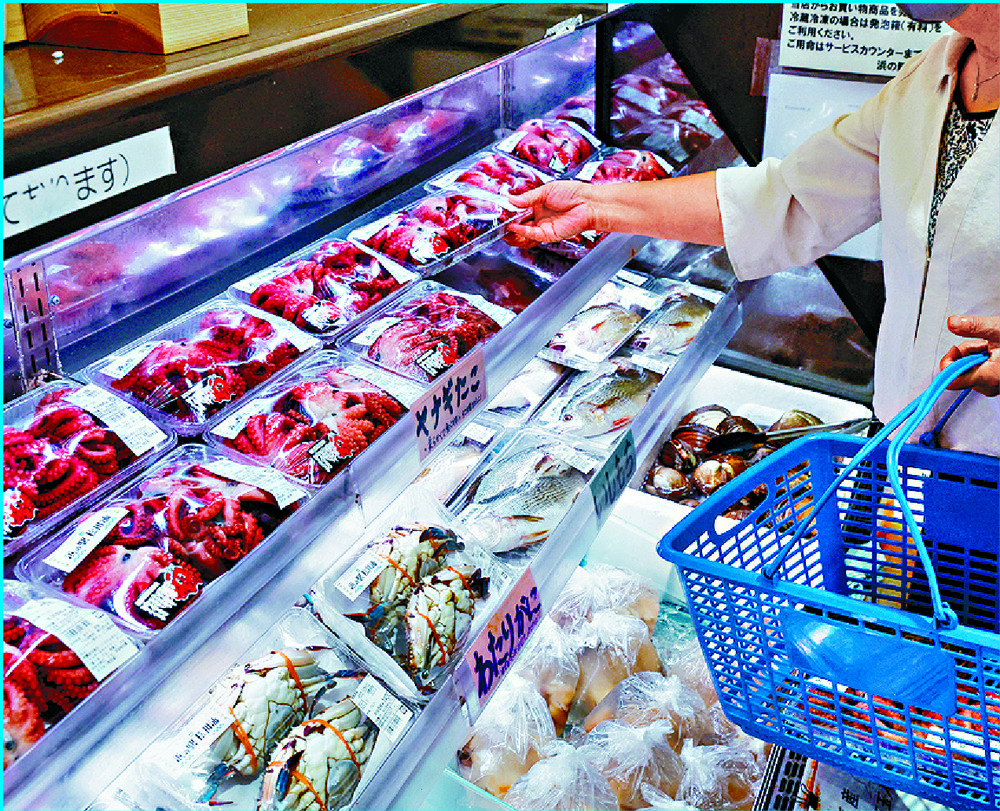
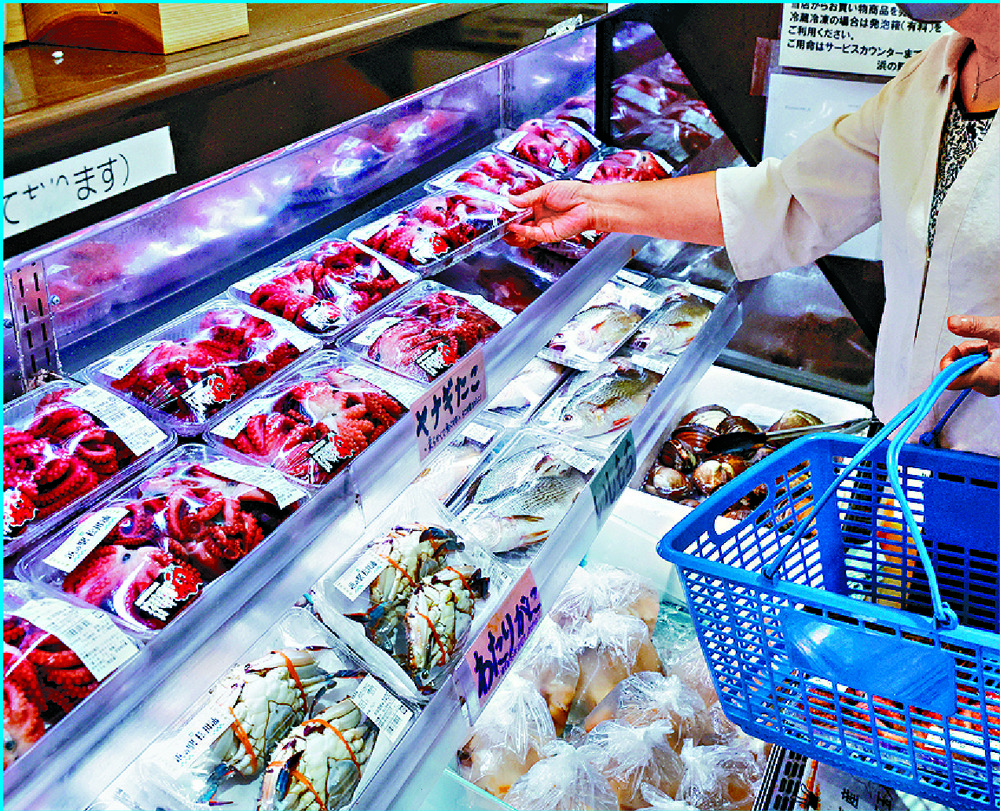
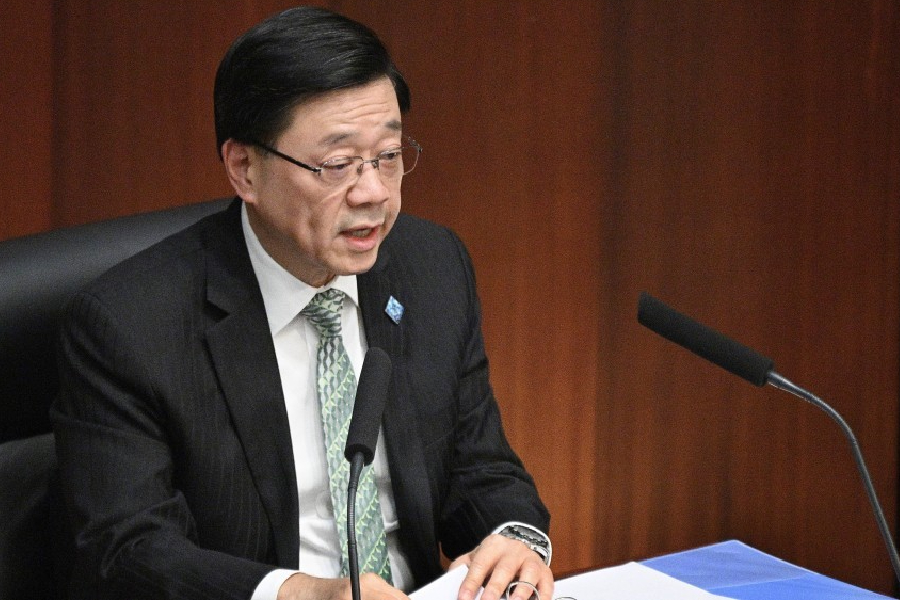
Hong Kong is considering adjusting the ban on aquatic products from certain areas in Japan as the mainland gradually resumes the import of Japanese seafood, says Chief Executive John Lee Ka-chiu.
"The SAR government has all along accorded top priority to safeguard the health and safety of the Hong Kong people. We emphasize scientific evidence," he told reporters before the Executive Council meeting yesterday.
After the first Fukushima discharge on August 24 last year, Hong Kong levied an import ban on 10 Japanese prefectures. It covers the import and supply of all fresh, frozen, dried or processed seafood as well as sea salt and seaweed harvested, manufactured, processed or packed in Fukushima, Tokyo, Chiba, Tochigi, Ibaraki, Gunma, Miyagi, Niigata, Nagano and Saitama.
The Centre for Food Safety also stepped up daily radiation inspections on all Japanese seafood imports.Japanese Prime Minister Fumio Kishida said last Friday that his country and China have reached "a certain level of mutual understanding."
China will start working toward easing the import ban and will join the expanded monitoring of wastewater discharges from Fukushima Daiichi under the framework of the United Nations atomic agency."Naturally, our understanding is that China will steadily resume the imports of Japanese marine products" that meet Chinese standards in the same manner as other products from other countries, Kishida said.
Japanese officials described the deal as a breakthrough, but there was no immediate word on when the next monitoring visit will take place or when the ban would be lifted.Japan also hoped the consensus with China would prompt Hong Kong, Macau and Russia to lift their bans.