Read More


Night Recap - May 27, 2026
6 hours ago


Hong Kong a conduit for mainland, French firms
26-05-2026 06:00 HKT
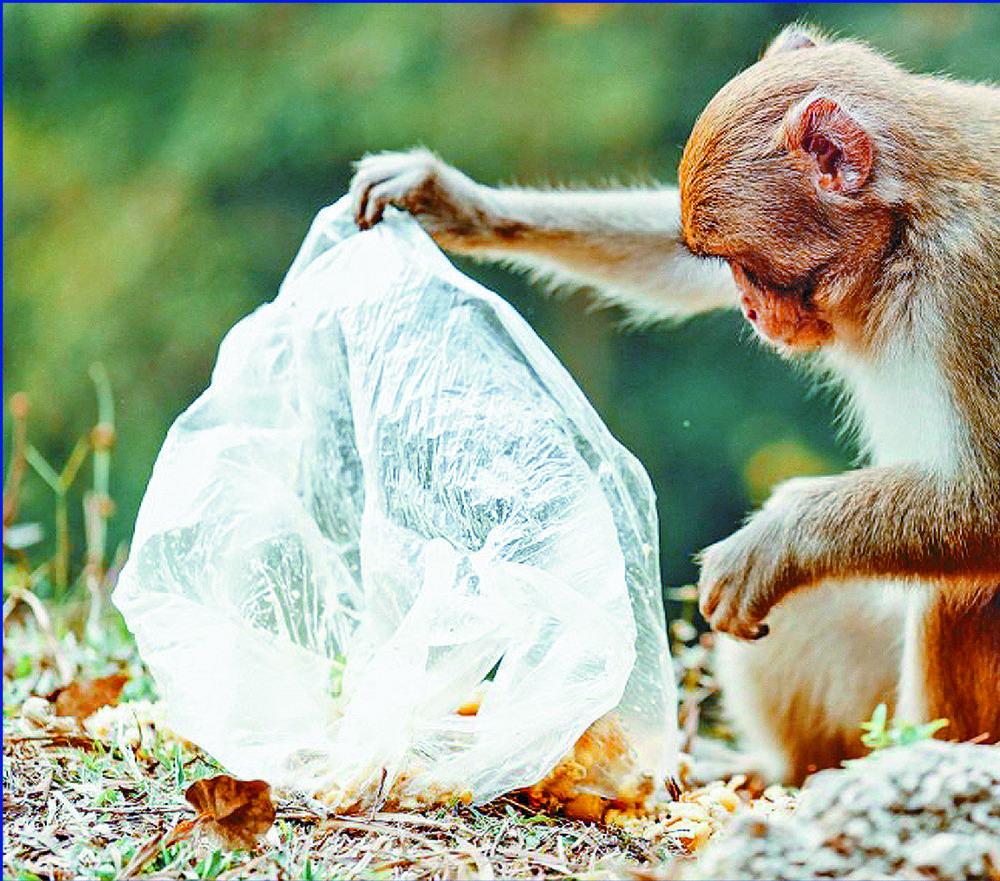
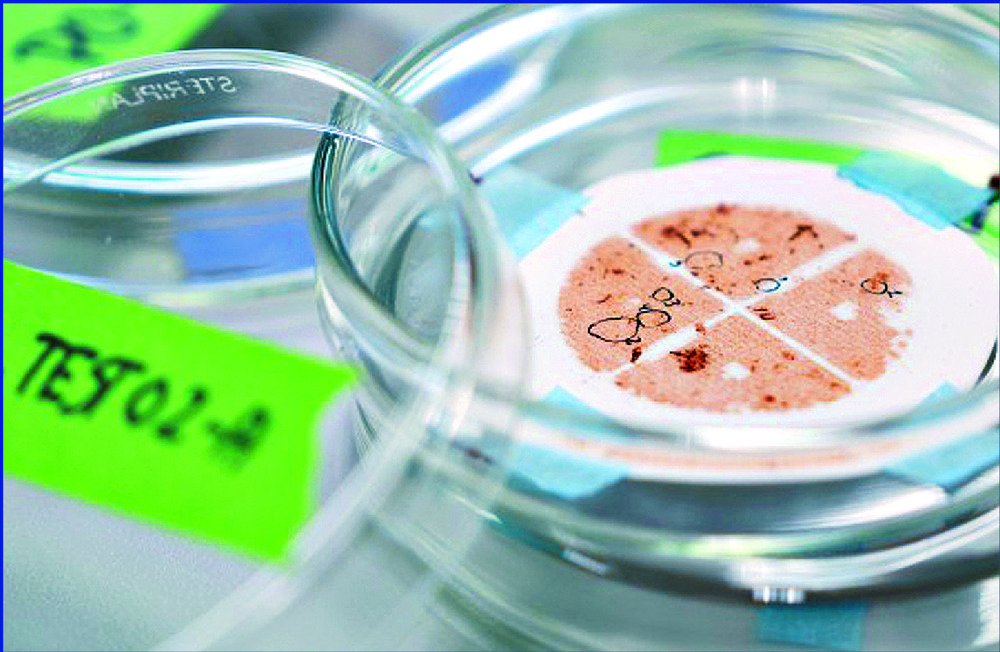
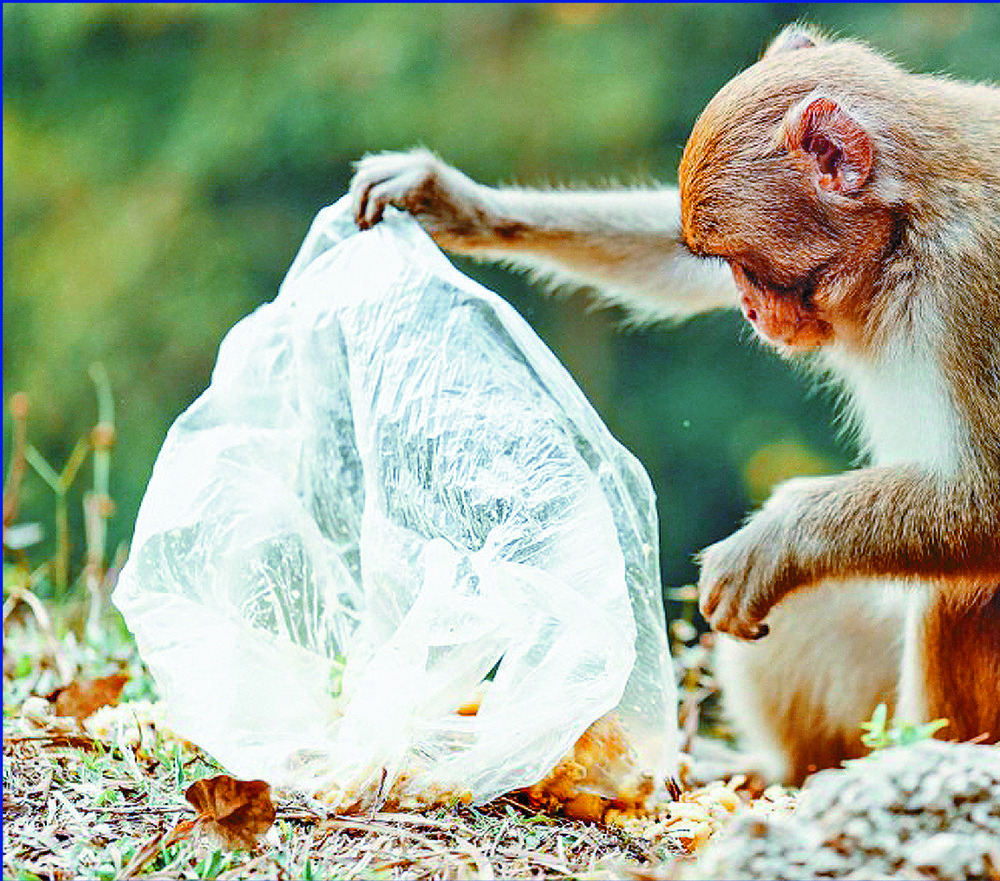
Microplastics - tiny fragments from the degradation of plastics - have been found in fecal samples of five common wild animal species in Hong Kong, which means increasing risks to human health and the ecosystem, a Greenpeace study has found.
The report was released ahead of the Global Plastic Treaty gathering in November, with South Korea hosting intergovernmental talks in the hopes of forging a groundbreaking deal to address the world's plastic problem.
Tam said 85 percent of the samples contained microplastics - 2,503 pieces found in total - suggesting that animals not feeding in urban areas still ingest plastics.
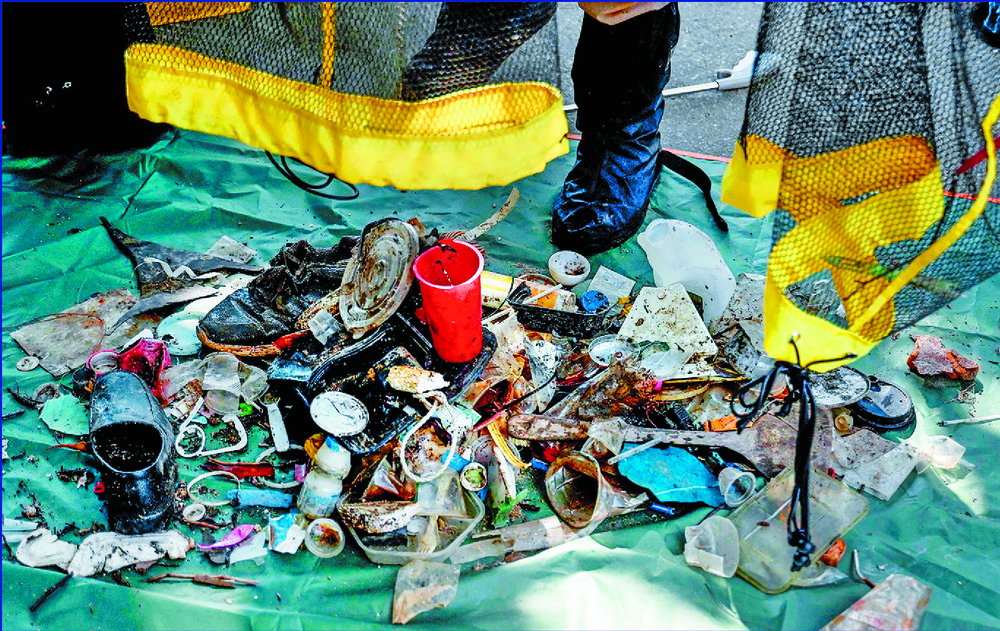
Microplastics were found in samples from all seven sites, with cattle in Cheung Sha, Lantau, having the highest median concentration of 65.5 particles per gram of dry feces."The types that were seen the most were polypropylene and polyethylene, commonly found in single-use plastic packaging, takeaway containers and disposables," Tam said.
This could have a profound impact as microplastics from feces of animals may seep into the soil, affecting the food chain and human health in the long term, she said."If we consume food that contains microplastics, it may damage our nervous, immune and reproductive systems."
Tam said cutting plastic use at the source can reduce plastic production - a major cause of intensifying global warming. She said the government must not allow enterprises to produce plastic without proper regulations.In April, the government implemented the first phase of a ban on single-use plastics, prohibiting retailers, hotels and restaurants from selling or providing single-use plastic tableware, toothpicks, plastic-stemmed cotton buds and the like.
The second phase is tentatively set for next year, banning sales and provision of disposable cups, food containers and lids. Sales and distribution of multipack rings, table cloth, plastic-stemmed dental floss and ear plugs will also be banned.But Greenpeace said Hong Kong "still lacks a clear timetable" on a full ban, which covers more takeaway containers used by businesses.
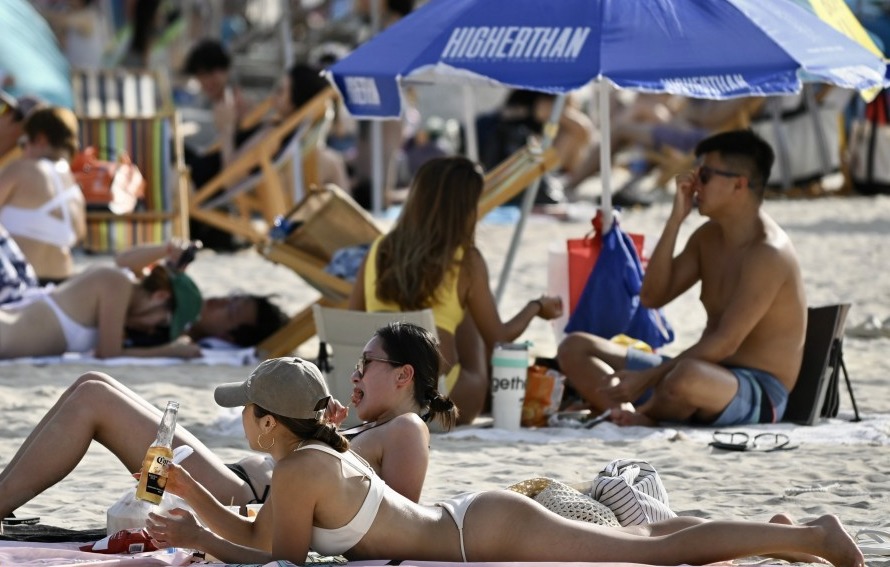
It should promptly implement the second phase of control on dine-in and takeaway customers, the group said, adding it should also accelerate the implementation of producer-responsibility schemes covering plastic bottles and paper-packaged beverages, focusing on source reduction rather than calling on the public to recycle.Greenpeace urged the government to take the lead in developing plastic-reduction policies as Hong Kong is among the East Asian cities with the highest per capita plastic use.
Globally, the group said, active government support is needed to establish targets on plastic reduction as well as reuse systems to tackle plastic pollution at the source before November's gathering.marcus.lum@singtaonewscorp.com