Read More


Night Recap - September 25, 2026
8 hours ago



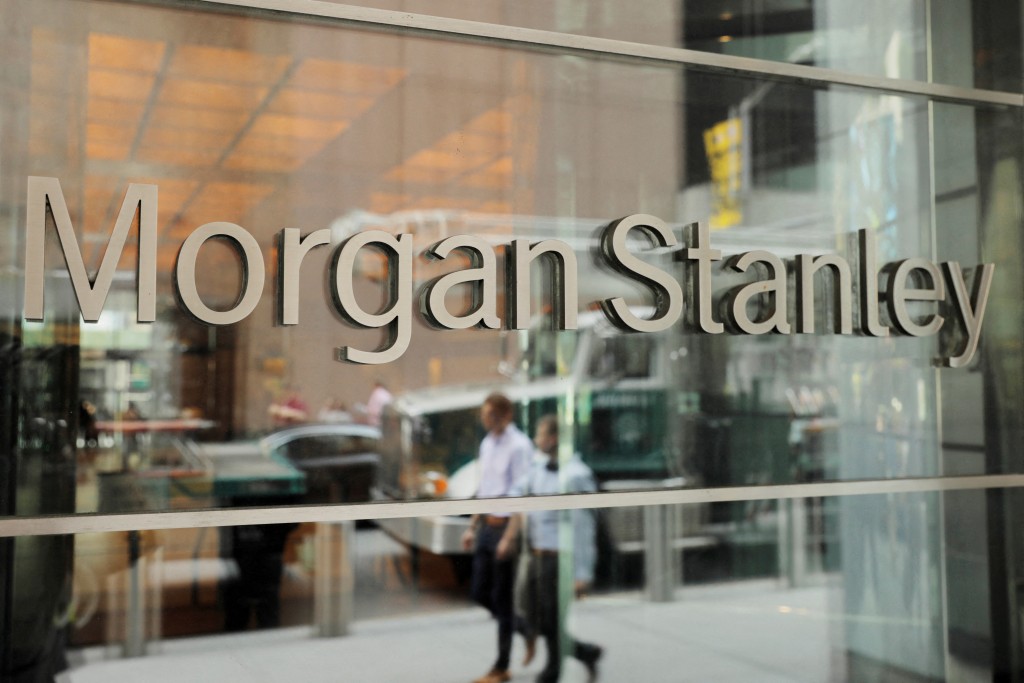
Morgan Stanley Asia deals leaked in missent email attachment
24-09-2026 21:49 HKT
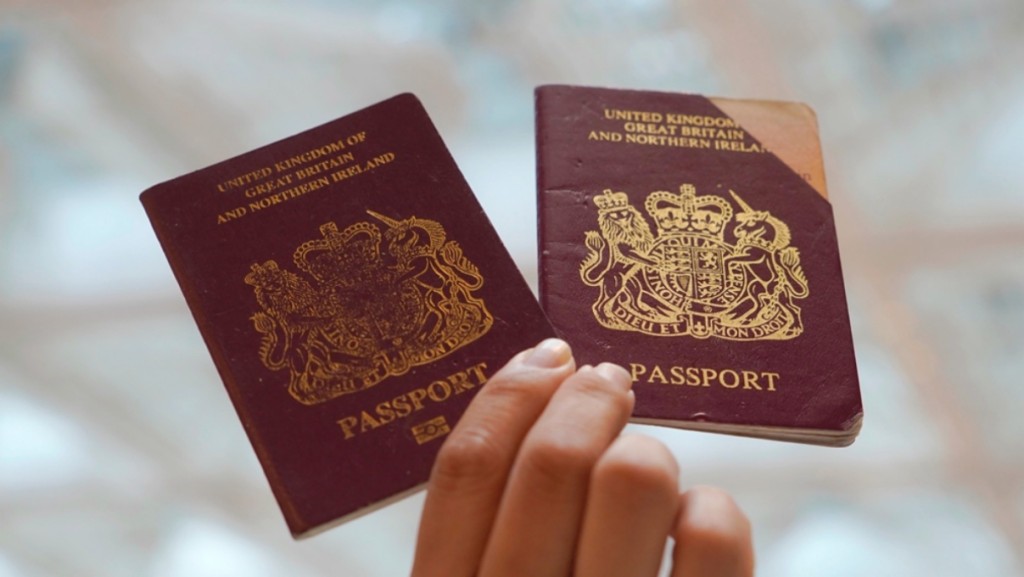
UK denies BN(O) visas to Hongkongers with protest convictions: report
23-09-2026 18:59 HKT
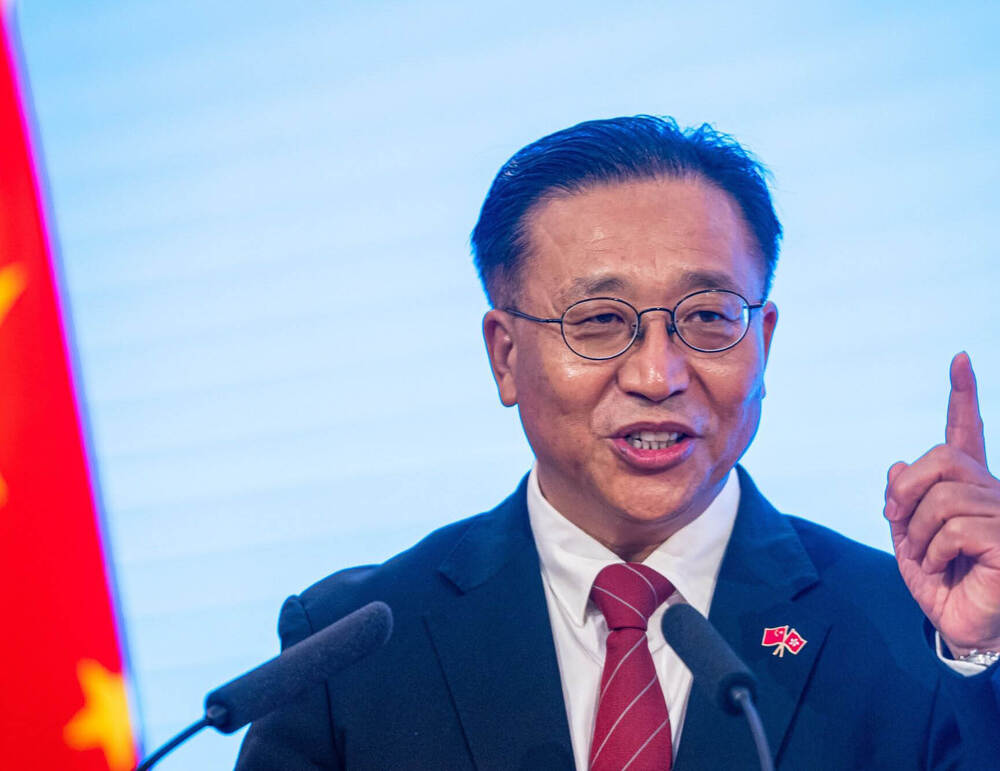
None of the 62 consulates in Hong Kong have raised objections over the national security law, said the foreign ministry commissioner in Hong Kong, Cui Jianchun, as he summed up his work since taking office in April.
"As of today, I have met 62 consuls general in Hong Kong, and none of them said the sanctions against the SAR were right. Everyone still supports Hong Kong to implement the national security law and Safeguarding National Security Ordinance," Cui said. "The Hong Kong national security law, compared to other countries around the world, is a good law that suits the one country, two systems principle."
"Gregory May is concerned about some 'democratic activists.' They used the word 'democratic activists' and in Hong Kong, we don't use this kind of name...But I think that whatever the disagreement, communication and dialogue is important," he said.
Cui said that foreign sanctions against Hong Kong and mainland officials were unreasonable and would only hurt both sides."The Chinese will not be scared by the sanctions and it's impossible to stop our development with the sanctions. But we are still confident that, despite the sanctioning policies against Hong Kong, war is not an option and we should develop peace and solve these problems through communication," he said.
Cui also commented on democracy in the city, saying it should not be embodied by universal suffrage alone, as different countries at different stages with diverse cultures should handle democracy differently."I was talking about democracy with the consulate-general of Singapore the other day. Singapore and China, before the election, we have selection. Think about this, if a person is unhealthy, how can he lead a country?" he said.
"Perhaps not everyone agrees with my view today, but I believe that you will see the political system in Hong Kong becoming a good example in the next five to 10 years."Also, Cui said Hong Kong is now applying to join the Regional Comprehensive Economic Partnership (RCEP), and the central authorities will work with the SAR government to join the free trade agreement among the Asia-Pacific countries.
"I hope some countries could think about the long term and support Hong Kong. Joining the RCEP as soon as possible is crucial to Hong Kong's development as a super-connector and super value-adder," he said.