Read More








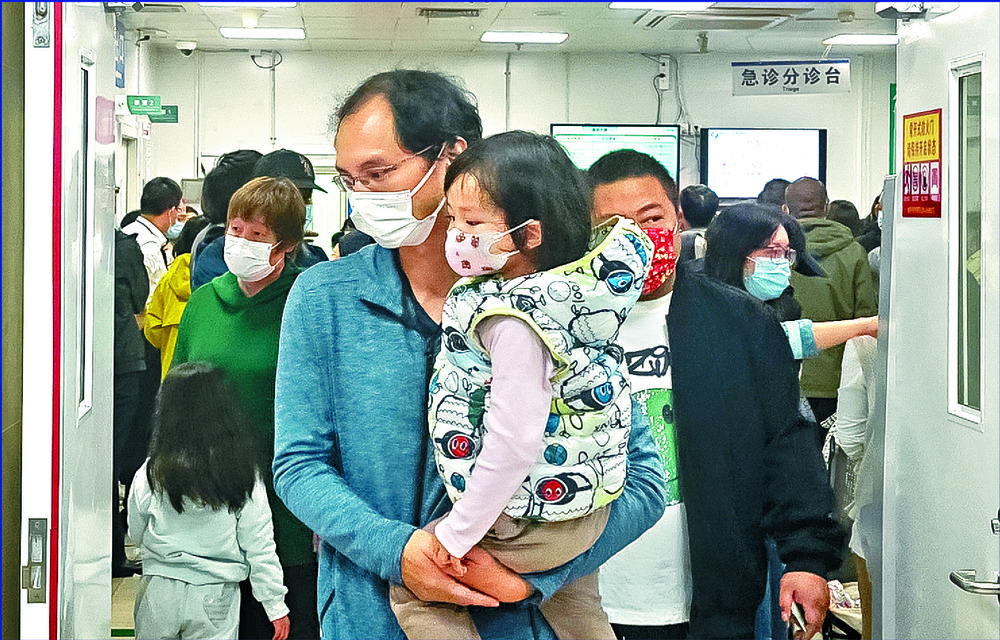
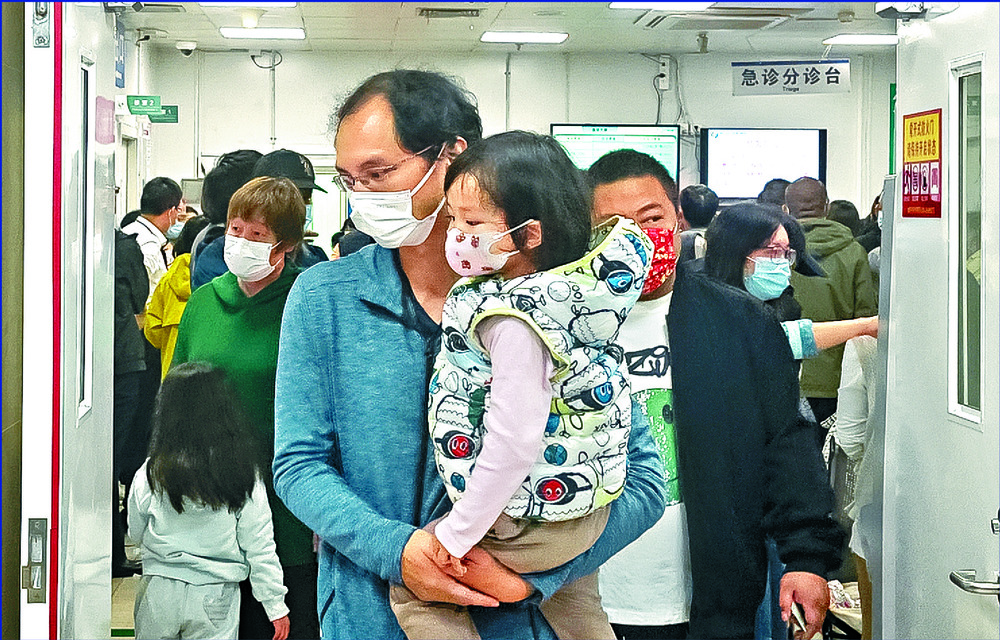
People do not have to worry about the massive pneumonia outbreaks in children in the mainland, says infectious disease expert Yuen Kwok-yung.
His remarks came as many mainland hospitals' pediatric departments are crowded with patients with respiratory diseases - up to 2,000 patients daily.
At a ceremony yesterday to launch the global Pandemic Research Alliance in Hong Kong, Yuen, of the University of Hong Kong, said the number of mycoplasma pneumonia cases has been on the rise since March based on statistics from the HKU-Shenzhen Hospital.
The alliance, consisting of global health experts, aims to improve surveillance of future pandemic outbreaks and will be led by Yuen.
More than 3,500 people were infected with the bacteria between September and last month, and over 90 percent of them are under 18 years old, he said.
The infections are mostly caused by close contact and Hongkongers do not have to worry about it as it's not a new infectious disease, he said, since a new disease would have caused massive infections among both children and adults, as well as medical staff.
"This is just a mycoplasma pneumonia outbreak among children in winter," Yuen said.
Many children are susceptible, he added, because they have lower immunity due to the mask mandate and fewer social activities during the pandemic. He suggested Hong Kong health authorities conduct tests for cross-border travelers who have fever, but they should also be told that if they are infected with known diseases there is no need to worry.
Mainland epidemiologist Zhong Nanshan reiterated the stance, saying: "Both the public and the government now attach great importance to fever cases and want to find the cause. Schools with lots of sick students should encourage children to wear masks, but we don't have to ask everyone to do the same."
Yuen warned there may be another pandemic in the coming 25 years due to population surge and global warming, adding the alliance of global institutions will come up with measures to reduce the impact of future pandemics.
Asked if the global alliance "would be affected" by international relationships, Yuen said there are no borders for infectious diseases.
"We don't have to involve the national security law in everything as we believe in the one country, two systems principle, and scientists should focus on science," he said.
Professor Patrick Ip Pak-keung from the HKU Department of Pediatrics and Adolescent Medicine said Hong Kong has also seen an increase in mycoplasma pneumonia cases in recent months - from around 10 infections monthly between January and July to over 100 cases a month since September.
He said the mycoplasma pneumonia is a common infection, especially in schools or care homes.
Meanwhile, Secretary for Health Lo Chung-mau said the pandemic showed that a strong primary health-care system is crucial for a society to combat epidemics.
Lo said the government issued the primary health-care blueprint last year for future health crises and amid the challenges of an aging population.
The Hong Kong Jockey Club has donated HK$3 billion so that the government can enhance the monitoring, prevention and control of epidemics, Yuen added.
wallis.wang@singtaonewscorp.com