Read More





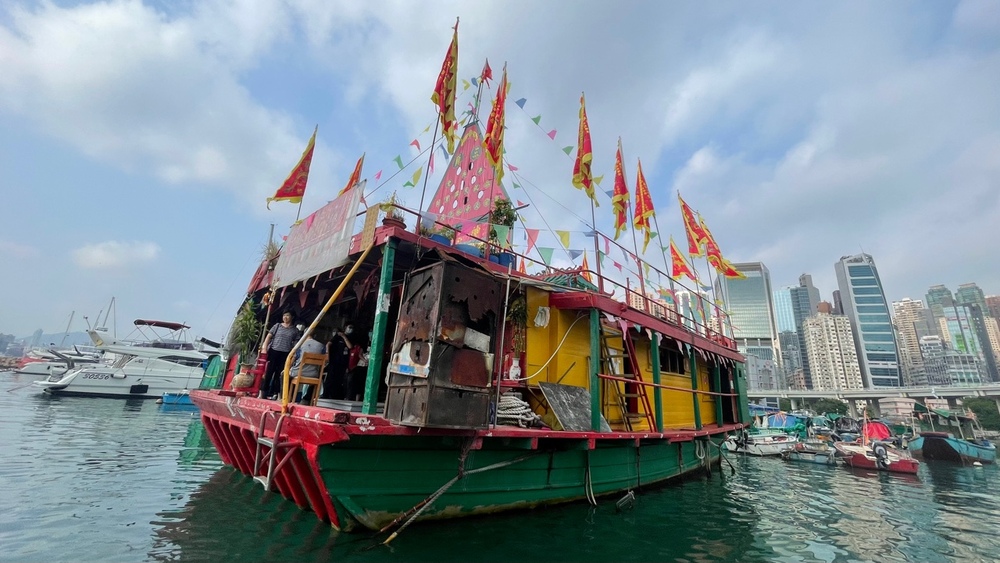
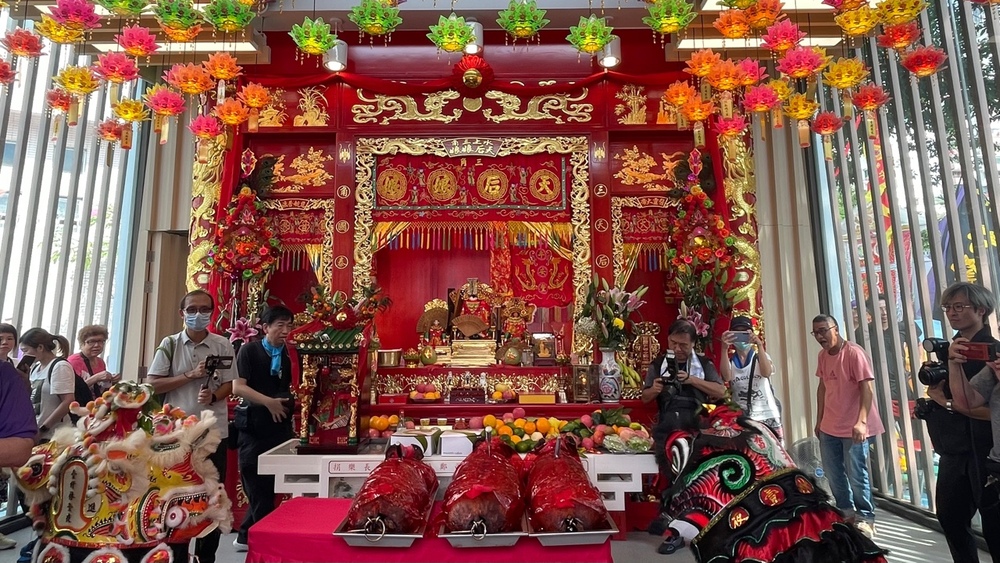
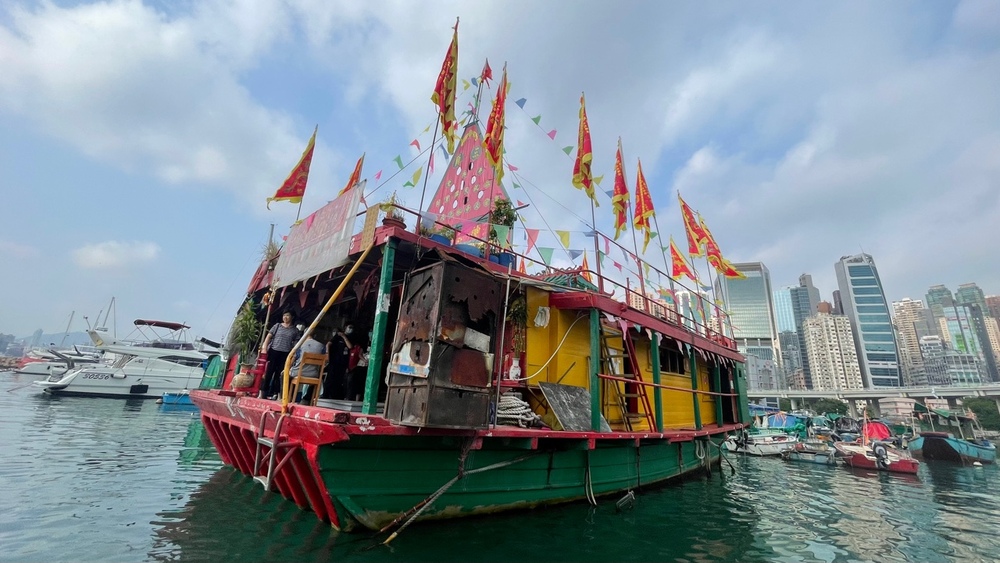
The world's only floating Tin Hau temple in the Causeway Bay Typhoon Shelter was moved to land beside Tung Lo Wan Fire Station yesterday to facilitate worship.
Moving the seven-decade-old floating temple Triangular Island Goddess of Tin Hau Shrine of Peace to the permanent onshore location has taken more than 30 years from planning to completion and cost more than HK$10 million, said the planning committee chairwoman Jennifer Chow Kit-bing.
The original temple floating on the water will remain in its original location and be developed into a museum to display the culture of the typhoon shelter and to introduce the history of Tin Hau, Chow added.
At the opening ceremony of the new temple, deputy Secretary for Justice Cheung Kwok-kwan thanked Chow and people in the district for the efforts in preserving the traditional Chinese culture and the characteristics of Victoria Harbour.
"The floating Tin Hau temple has witnessed the changes and developments of Hong Kong I hope the new temple will continue to preserve the culture and memories of the community and become a new tourist attraction."
Due to a large number of fishermen worshipping Tin Hau - a Chinese goddess of the sea - having moved to live ashore, alongside the inconvenient transportation to the floating temple, Chow said the committee had been striving to relocate the temple to an onshore site since 1989 to catch up with the developments.
"Visitors to the temple needed to register in advance and take a boat, which was inconvenient and also posed safety concerns," she said.
"The number of worshippers was also capped due to the limited space of the temple."
It was difficult to find an appropriate site as the floating temple was located in a crowded area, but the ex-A-King slipway site next to the Causeway Bay typhoon shelter was finally allocated for the construction of the new temple in 2015 - 26 years after the committee had applied to the government for the new site - Chow added.
Regarding the huge construction cost of HK$10 million, Chow said it was complicated and there were challenges in building a temple on the original sandy site, including filling up the foundation.
"Although the world's only floating temple has moved ashore, we adopted a boat-shaped design in the new temple to retain the characteristics of the original temple," she said.
It is also air-conditioned inside in the hope that worshippers will be more comfortable and can stay longer.
"After the original temple is renovated, an application would be filed to the government to turn it into a museum of typhoon shelter culture in the hope that it would become a landmark and attract more visitors," Chow said.
She added they would collaborate with the Tourism Board and the harborfront commission to launch tour groups to the original temple, as well as cooperate with schools to invite students to learn of its history with visits to the temple.