Read More




HK braces for heavy rain ahead of mid-week heat and potential storm
18-07-2026 14:30 HKT
Amyotrophic Lateral Sclerosis patients took a year on average to be diagnosed, and needed HK$90,000 to pay for medical equipment and home modification, along with an additional HK$13,000 per month afterwards, an association has found.
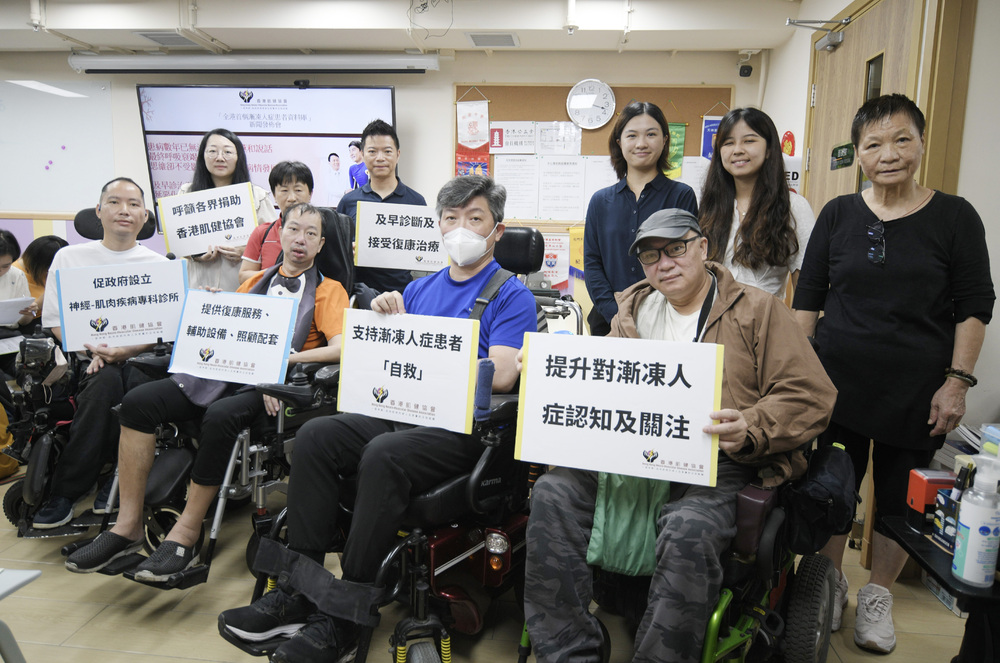
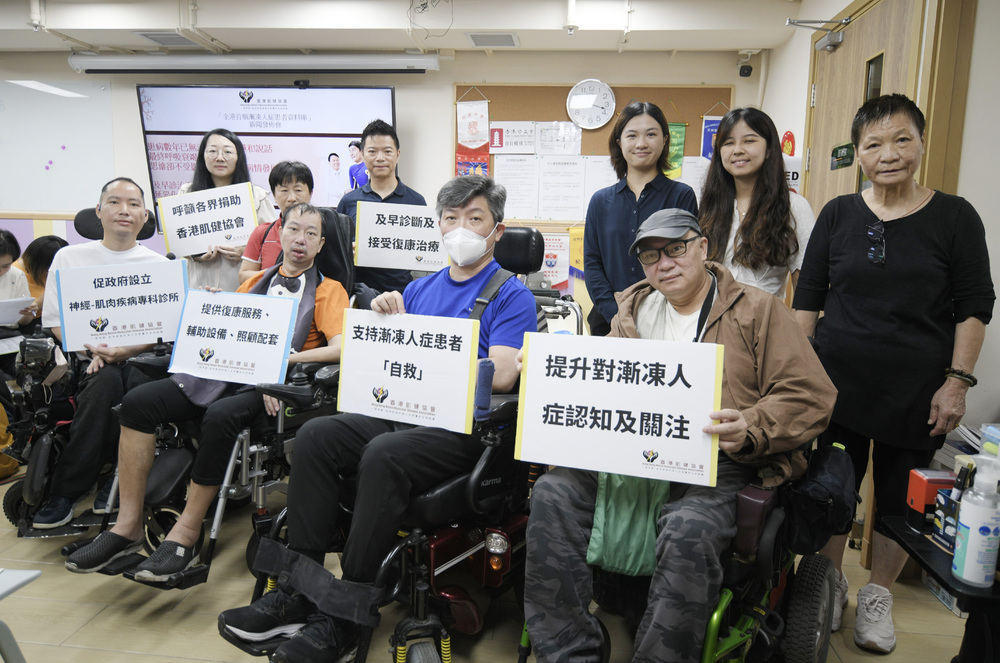
Hong Kong Neuro-Muscular Disease Association has established the SAR's first ALS patient registry collecting one-fourth of the city's ALS patients so as to understand their needs and raise government and public awareness about ALS.
ALS is a disease of continuously losing muscle control, which can eventually lead to breathing failure.
Since the brain, brain stem cells and spinal cord anterior horn cells controlling muscle mobility of ALS patients would degenerate and die entirely and partially, their muscles would continuously deteriorate causing weakness of limbs until mobility is lost and the ability of swallowing and speech affected.
The database, coordinated by medical student volunteers Minnie Au Mei-li and Marina Chan Hoi-ching, collected data from ALS patients and caregivers from June 2022 to August this year, covering 46 patients or 23 percent of the estimated 200 local ALS patients.
The database reveals that many patients have ALS onset between the ages of 50 and 60.
Early symptoms are hard to identify, involving muscle weakness in arms and legs. Patients usually need to see four doctors and get five examinations like nerve biopsy and bone marrow tests before getting diagnosed with ALS. The diagnosis process can takes a year or longer.
According to the Short Form Health Survey (SF-36) with a scale of 0-100, the physical role score of ALS patients is 9, only one-third of late-stage cancer patients.
Two-thirds of the patients have been certified by doctors as severely disabled, requiring mobility aids such as crutches and wheelchairs. Some need respiratory support devices.
Lui Man-lam, the association's chairman, said there is no medicine to cure ALS and the disease degenerates quickly.
In public healthcare, ALS patients are mostly assigned to follow-ups in internal medicine, with their deteriorating conditions being the main recorded aspect.
Patients endure pains others cannot understand, Lui said. Due to declining lung function, they are eventually referred to palliative care in the late stages.
Lui said that with sufficient support and assistive devices, patients may go out to lead a normal social life or volunteer to help others.
But many patients cannot pay for the rehabilitation equipment, he added..
According to the registry, right after the diagnosis, ALS patients would spend up to HK$90,000 on medical or rehabilitation devices and home modification and the average monthly medical expenses is HK$13,000, including caring services, rehabilitation treatment with Chinese and Western medications, purchase of supplements and more.
The association urged the government to set up a specialist clinic and refer ALS patients to rehabilitation services, accessible devices and caring support.