Read More




Night Recap - May 21, 2026
4 hours ago




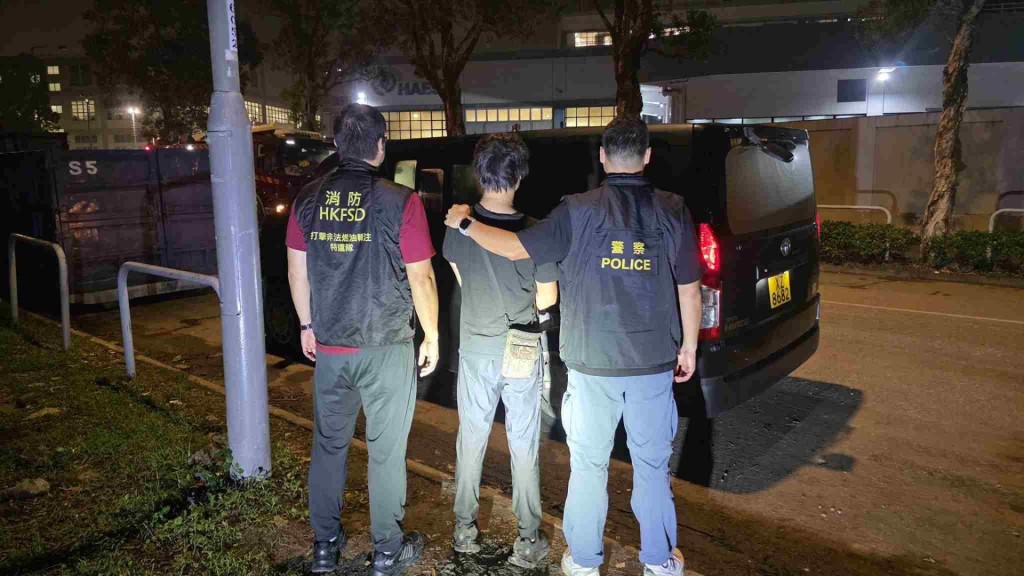
ImmD crackdown targets moonlighting domestic helpers arresting 17
19-05-2026 17:52 HKT

National security judge Wilson Chan Ka-shun extensively used lawyers' submissions in his judgment in a civil lawsuit and the High Court said it will not rely on his judgment when handling an appeal of the case.
This came as a High Court panel on Friday ordered a retrial of a trademark dispute over Wong To Yick Wood Lock Medicated Balm after they found that 98 percent of Chan's written judgment was the plaintiff's written submissions.
In a hearing of another civil appeal about a family trust of Great Eagle yesterday, the vice president of the Court of Appeal of the High Court, Susan Kwan Shuk-hing, said the court will give "little or no weight" to the original judgment Chan had written.
On Monday Chan handled a government injunction request to ban protest song Glory to Hong Kong.
He was supposed to be one of the three judges of the primary election case but withdrew before the trial began for health reasons.
The sensational family feud intensified as the late Great Eagle founder Lo Ying-shek's youngest son, Lo Kai-shui, accused his third brother, Lo Ka-shui, of breach of trust, demanding he be disqualified and HSBC International Trustee Ltd be dismissed as the manager of the family trust.
Chan ruled Lo Kai-shui lost the lawsuit last September. The youngest son then filed an appeal and listed HSBC International Trustee, Lo Ka-shui, Nina Law Wai-duen, KSL Management Ltd and HSBC Trustee (Hong Kong) Ltd as respondents.
Lo Kai-shui's side at the court yesterday said Chan widely copied submissions from HSBC International Trustee and Lo Ka-shui when giving the judgment, adding Chan lacked independent thinking in handling the case.
Kwan said the court would not stop the plaintiff from using Chan's judicial copying as grounds to support his case but expressed wishes for the court to focus on other grounds. Kwan also said the case was different from the Wong To Yick case, which had undergone a trial and so a retrial could be ordered.
She said the court would consider relevant evidence independently and decide on the ruling without weighing in Chan's previous judgment.
The Chief Justice of the Court of Final Appeal, Andrew Cheung Kui-nung, on Tuesday handed Chan a "serious reprimand."
The president of the Law Society of Hong Kong, Chan Chak-ming, said judiciary copying was unacceptable and "the integrity of judges is critical to maintaining public confidence in the judicial system."
He welcomed the judiciary's proposal to enhance training to avoid similar incidents.
While refusing to comment on an individual case, the chairman of the Hong Kong Bar Association, Victor Dawes, said judges have been facing pressure due to a heavier workload and he hoped the Judiciary would get support that would be beneficial to Hong Kong in maintaining its position as a center for legal and dispute resolution services.
Hong Kong's former director of public prosecutions, Grenville Cross, said judge Chan might have been under considerable pressure at the time and tried to save time by adopting the submissions of the party he felt was in the right.
But he said a judge should "summarize the submissions of the parties in an even-handed way, then carefully analyze those submissions, and then finally reach his judgment, giving clear reasons of his own for his decision."
"A judge must always make a reasoned decision of his own on the merits of the case, and not allow the submissions of one party to dominate his judgment."
Cross believed Chan would "learn from this incident, and will bounce back stronger."
stacy.shi@singtaonewscorp.com
Editorial: Plagiarism intrudes judiciary