Read More
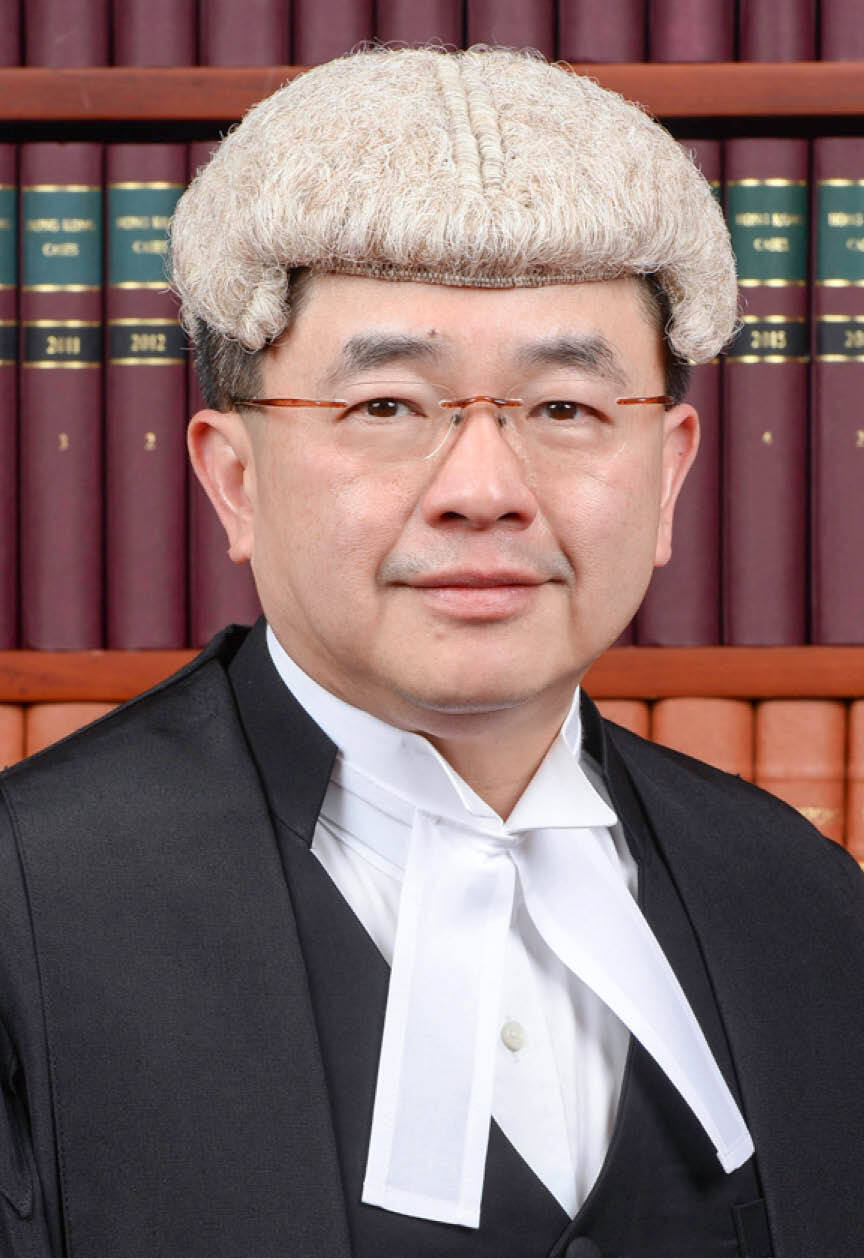
Whoops! Is it a shame that Wilson Chan Ka-shun - the same High Court judge reprimanded for plagiarizing lawyers' submissions in his judgment on a previous lawsuit in a trade mark dispute - has again been named in an appeal for similar conduct?
ADVERTISEMENT
SCROLL TO CONTINUE WITH CONTENT
Chief Justice Andrew Cheung Kui-nung has said judicial copying is just unacceptable as not only is it unfair to the plaintiff and defendant but it can also undermine public confidence in the judiciary.
While the plagiarism case is believed to be isolated as the accusations so far have been focused on one judge, I am confident that such incidents are being dealt with seriously.
Plagiarism is also considered a very serious misconduct in the academic world. Had similar incidents happened at universities, the scholar or scholars involved would have been given not only a reprimand but the boot.
In order to protect judicial independence, judges are mostly appointed for life and it will be up to the judge to decide when to quit. For instance, Geoffrey Ma Tao-li, Cheung's immediate predecessor, could have chosen to carry on as the city's chief justice had he wished to do so.
Life appointment is a common judicial practice in the world, and has its shortcomings. For example, a judge repeatedly found to have committed grave mistakes cannot be sacked.
However, the merits can be overriding, making sure that a judge can act independently without fears of, for example, losing the job. Such a sense of security is central to the integrity of a credible legal system.
The finding that High Court judge Chan - who also happens to be one of the designated national security law judges handpicked by the chief executive - had 98 percent of his judgment copied from the plaintiff's written submissions in the Wong To Yick Wood Lock ointment lawsuit could not be described other than jaw-dropping.
Worse, there was also not even one full sentence written by the judge in his own words among the remaining 2 percent.
Chan was reported to have expressed his understanding and agreement to the reprimand.
But then, intriguingly, came yesterday's revelation in a separate civil lawsuit in which an appellant accused Chan of "reproducing substantial portions of the submissions" in relation to a previous hearing over the estate left by late Great Eagles Holdings founder Lo Ying-shek.
Whoa! Whoa!
Remember that when Cheung was sworn in to take over from Ma as the chief justice in 2021, he then promised a review mechanism for handling complaints over judicial conduct.
Late that year, he honored his promise and created a two-tier system to deal with complaints. Cases that are serious, complex or of wide public concern would first be investigated by a panel of judges. Following that, a nine-member advisory committed chaired by Cheung would review and give advice on the case.
Cheung, or the chief justice of the time, would make the final decision.
Maybe the judiciary should at least let the media know if Chan's case is actively under review by the committee.
Wilson Chan