
Read More









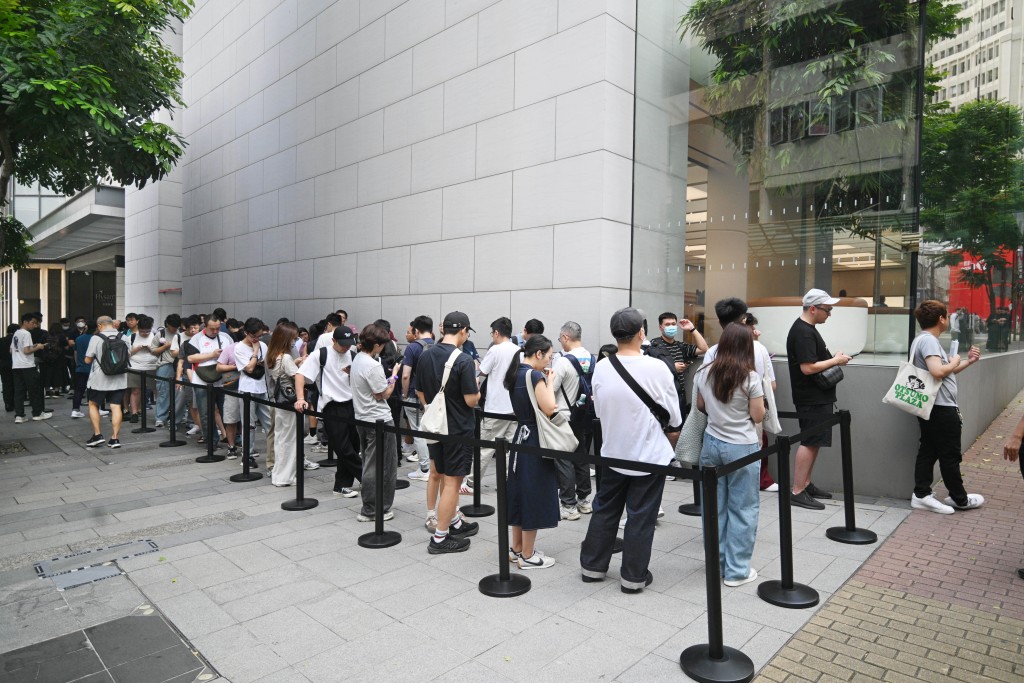
Credit card fraud hits foldable iPhone Duo launch
17-10-2026 12:23 HKT

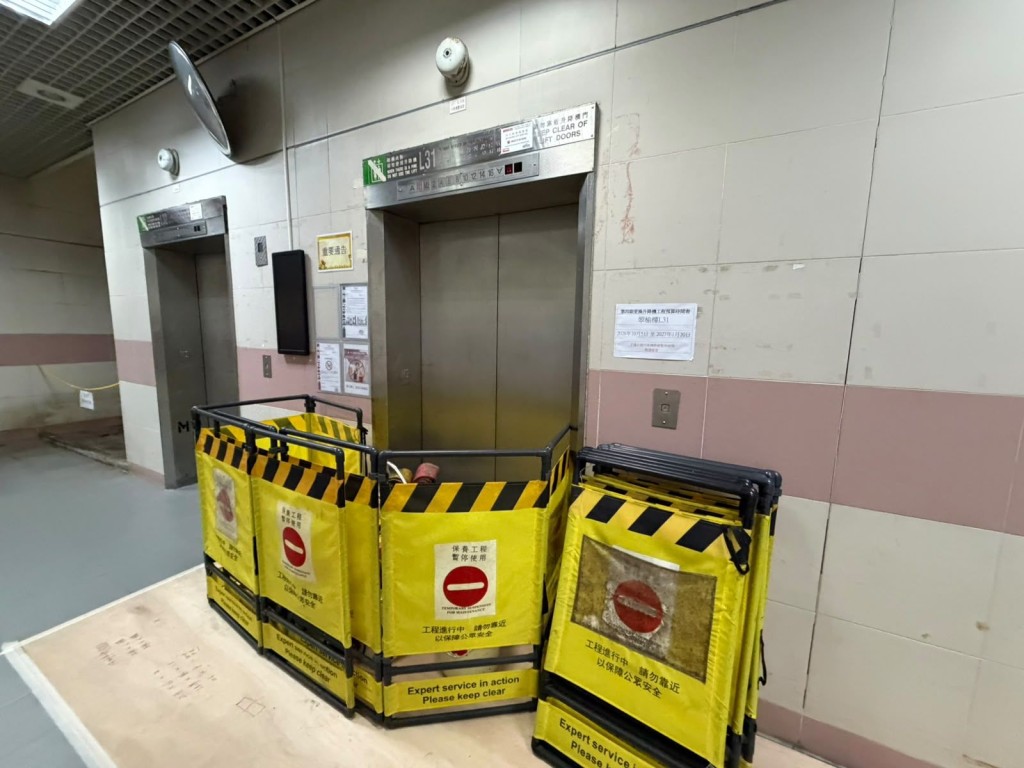
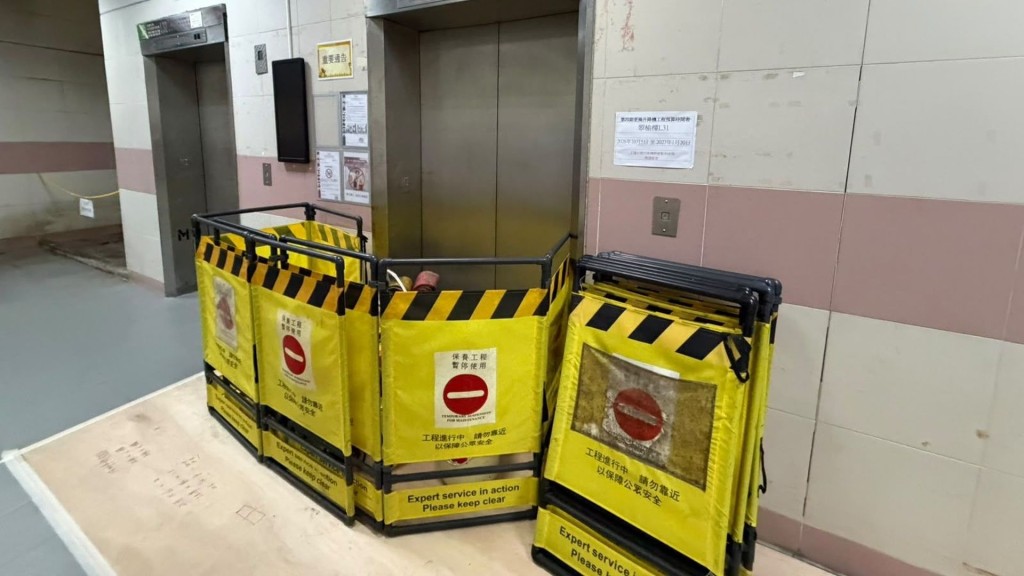
Three arrested over missing fire door frames in public estate lift overhaul
16-10-2026 20:10 HKT
Public libraries should speed up the review of books and remove those that jeopardize national security, the Audit Commission said.
The latest director of audit's report revealed the Leisure and Cultural Services Department's sluggish effort in examining library materials.
"According to the LCSD, it would make sure that the library collections are not contrary to the interests of national security during its review of the materials," the report wrote.
To do so, libraries have re-examined and updated the guidelines for procuring library materials.
Since 2021, the LCSD has commenced a preliminary review of the library materials. Complaints and inquiries were also taken into consideration.
Currently, the LCSD manages 70 stationary libraries and 12 mobile ones. As of last year, the network has a collection of nearly 15.2 million items, including 13.5 million books and paper materials. The remaining and non-print items include audiovisual ones.
Materials found with potential risks would be temporarily taken down.
"Upon careful examination, if it were ascertained that the material posed a risk of violating national security, it would be withdrawn from the library collections permanently and disposed of," the LCSD said, adding that materials confirmed to be in compliance with the law would be put back on shelves.
The commission said the review was still in progress as of February.
Upon inquiry, the LCSD told the commission that the review is an ongoing exercise, adding that libraries occasionally receive complaints from the public, which means adding on more books to the to-be-examined list.
Since materials vary in the complexity of content, there is no standard completion period or set number of days required for a staffer to finish reviewing a book.
"Public libraries had already completed a preliminary review of their library stock including the publications of those authors and publishers that had been suspected of issuing books on Hong Kong independence, and the LCSD has to set priorities to re-examine the materials" it said.
Still, the watchdog urged the LCSD to speed up the review process.
The commission also criticized public libraries for failing to cope with rising demand for electronic books.
The use of e-books surged by five times from 600,000 in 2018 to up to 3.6 million last year. But over the same period, e-book stocks only went up for 67 percent from 290,000 to 490,000.
And some popular e-books are overbooked. Among the 30 most popular e-books recommended by the LCSD's platform, the audit's check found that 14 had required users to wait at least four days to borrow them.
The most popular option had 335 readers queuing, with the waiting time expected to be at over three years - assuming each reader borrows the book for seven days.
The LCSD told the commission that it is not feasible to offer unlimited access on e-books and that libraries set a cap on the number of copies for each title depending on the agreement with the vendors.
"Some publishers might be unwilling to increase supply for popular titles because it might hurt their retail sales," the LCSD said.
The watchdog replied: "The LCSD needs to keep track of the demand for e-books and take follow-up actions as appropriate. For instance, reviewing the cap on copies of e-books in warranted cases."