Read More



Night Recap - September 4, 2026
4 hours ago





Louis Koo and production house sued for $149 million over unpaid loan
03-09-2026 17:07 HKT

Leslie Cheung 70th birthday exhibition brings the legend back to fans
03-09-2026 19:26 HKT


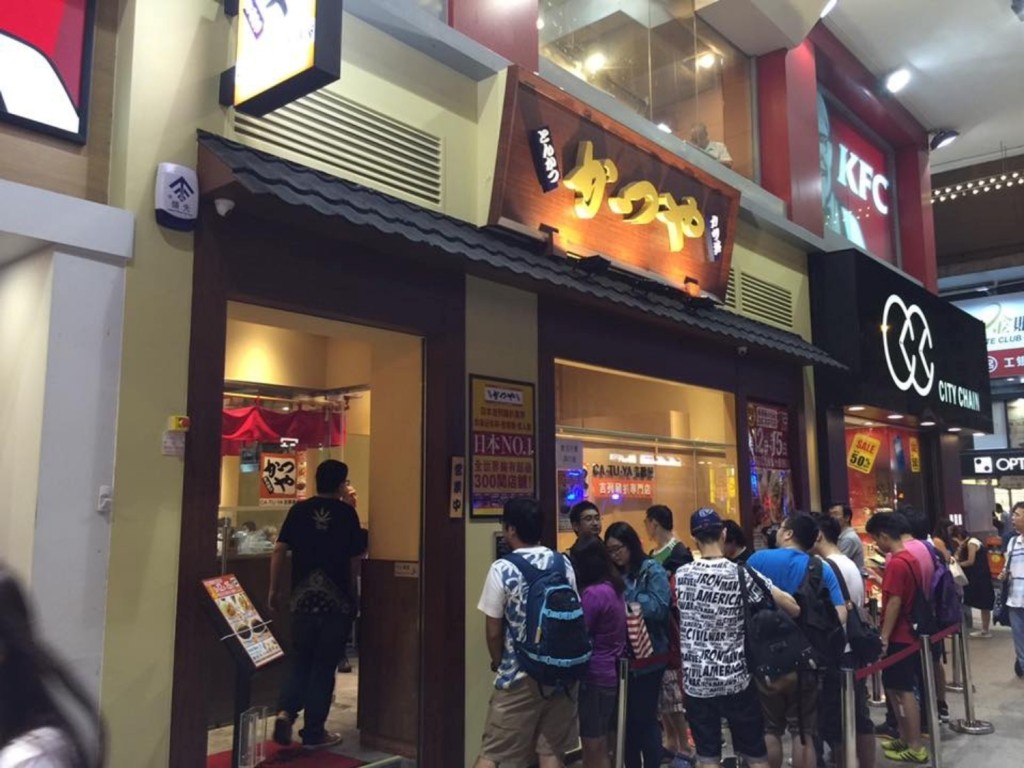
The sizzle has fallen silent at Ca-Tu-Ya, the Japanese pork cutlet chain that appears to have ended its 14-year run in Hong Kong amid a challenging retail environment.
The suspected closure came after diners discovered that all five of its branches — in Mong Kok, Tsuen Wan, Shek Mun, Kwai Fong and Yau Ma Tei — had ceased operations on Monday.
First entering Hong Kong in 2012 as a subsidiary of Japan’s JASDAQ-listed Arcland Service, Ca-Tu-Ya built a following with affordable Japanese comfort food such as tonkatsu (breaded pork cutlet) and katsudon (pork cutlet rice bowl).
With signature set meals priced at just a few dozen Hong Kong dollars, the brand quickly gained popularity and once expanded to 13 outlets across the city at its peak.
Signs of decline began emerging last year, when branches in Po Lam and Fortress Hill closed. In the months that followed, diners reported suspensions at outlets in Tsuen Wan and Shek Mun.
More recently, speculation of a full market exit intensified after branches in Kwai Chung and Yau Ma Tei appeared to wind down operations.
Attempts by Sing Tao Daily, sister publication of The Standard, to contact all five outlets on Tuesday went unanswered.
The chain’s official Japanese website has also removed all Hong Kong locations, leaving only its Tokyo-style fried chicken brand Karayama listed. Karayama currently operates three outlets in Wong Tai Sin, Lai Chi Kok and Tsuen Wan.
No official closure announcement has been made, and Ca-Tu-Ya’s Facebook page has not been updated since March 14.
In an apparent bid to attract customers amid intensifying competition, the chain introduced half-price breakfast promotions in January, offering items such as satay beef noodles for HK$21 and an all-day breakfast for HK$30.
News of the closures quickly spread online, with many longtime customers expressing surprise and disappointment. Some praised the chain’s consistent food quality and affordability, even for takeaway orders, while others said they would miss its distinctive late-night Japanese diner atmosphere.
At the same time, some diners noted warning signs in recent visits. One online user said staff had indicated certain menu items, including soft drinks, were unavailable, and claimed employees suggested the company was facing financial difficulties, including claims that "the company cannot even pay their salaries.”