Read More



Night Recap - May 29, 2026
4 hours ago










Hong Kong a conduit for mainland, French firms
26-05-2026 06:00 HKT
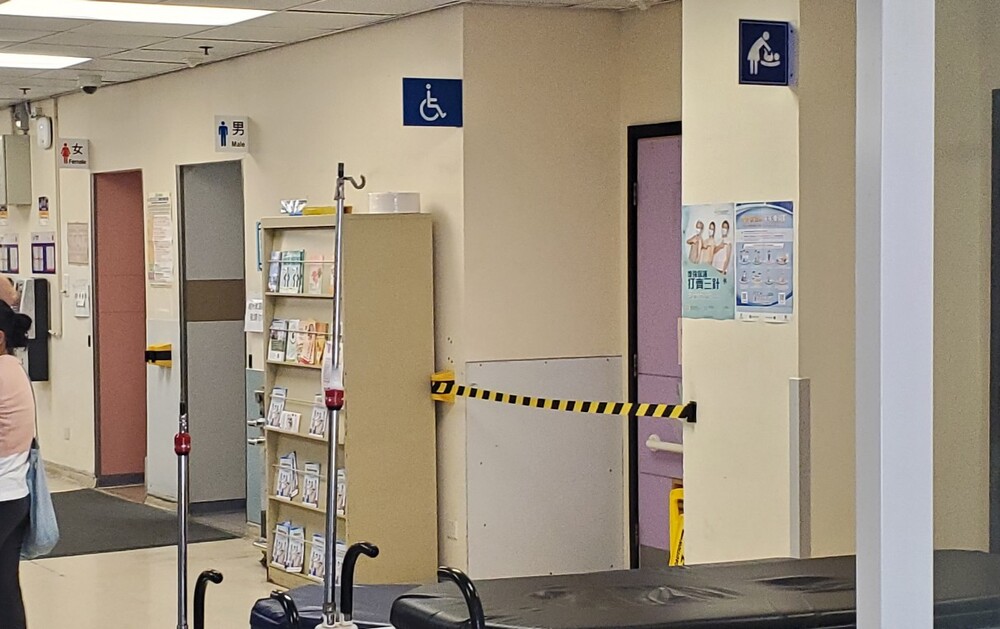
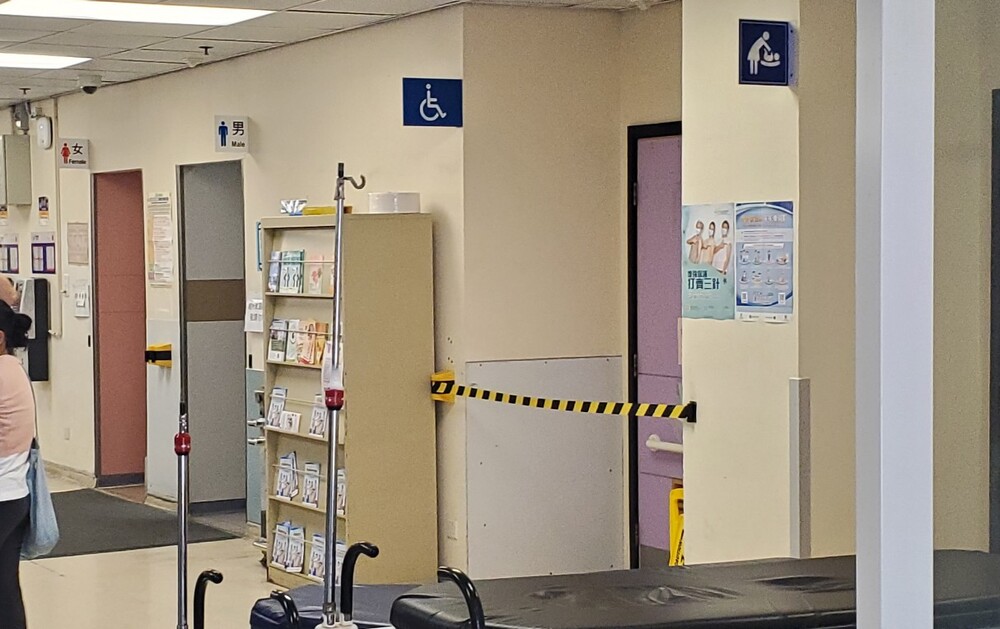
The death of a 58-year-old chronically ill woman in an accessible toilet at Eastern Hospital after she attended its accident and emergency department has sparked calls for motion sensors in such facilities.
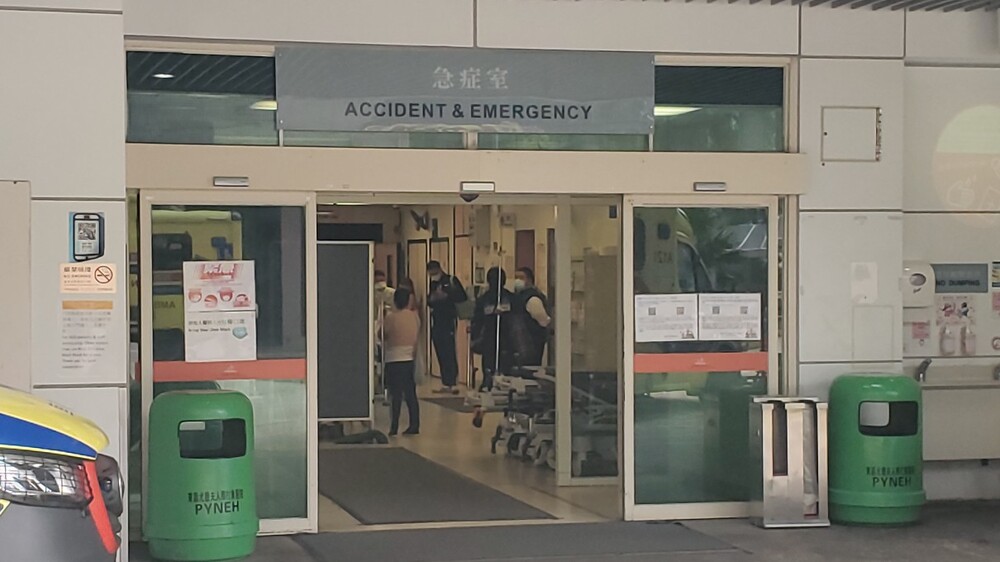
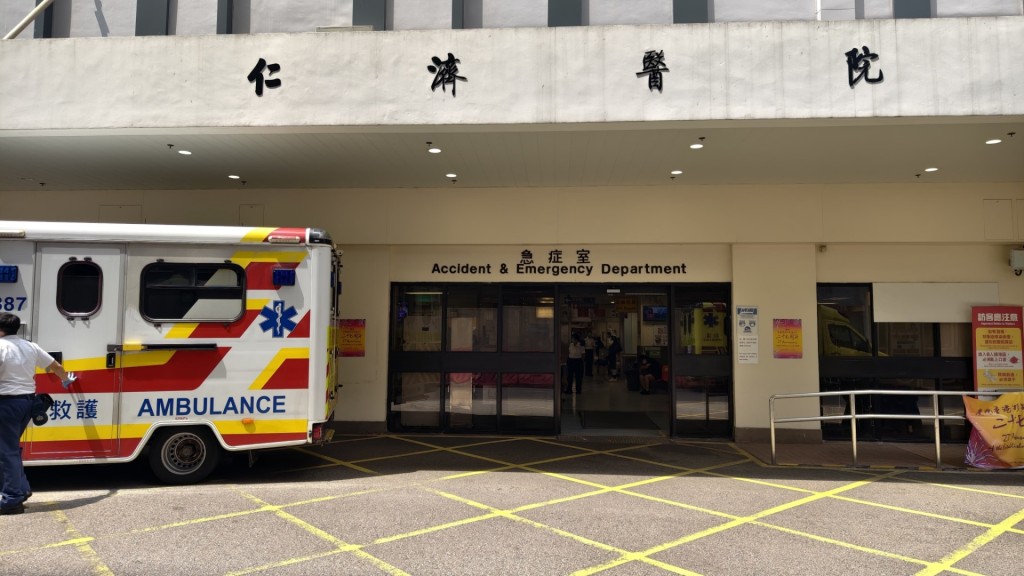
The woman was found dead in a toilet at Pamela Youde Nethersole Eastern Hospital on Monday afternoon long after she had sought treatment at the A&E department for fever and a cough at 11pm on Sunday.
The incident was only revealed late on Monday night, with a spokesman saying the public hospital was "very concerned" about the case, which has gone to the coroner.
The woman, who was not identified, had only received medical assessment at 11.15am on Monday after waiting for 12 hours at the casualty ward, and she was found to be in stable condition.
Hospital staff then prepared to transfer her from the waiting area for further checks, but she could not be contacted despite the staff calling her name.
She was found lying inside an accessible toilet for the A&E waiting hall at 4.30pm on Monday without a heartbeat. She was certified dead at 5.06pm after resuscitation failed.
"The hospital met the patient's family members on Monday to explain details of the incident and expressed condolences," a spokesman said.
A Hospital Authority spokesman said last night the woman was classified in the semi-urgent category - the fourth in a five-tier classification.
He added that staff at Eastern Hospital would visit toilets seven times a day for inspection and cleaning, and the emergency button in the accessible toilet concerned was functioning normally.
The toilet where the woman died was closed yesterday. Patients were accompanied by staff when using other toilets.
The Hospital Authority website at 6.30pm yesterday showed Eastern Hospital's A&E waiting time exceeded eight hours, while times at 17 other public hospitals took from two to six hours.
Patients rights advocates urged public hospitals to install no-movement sensors in toilets to alert staff of a patient being immobile.
Alex Lam Chi-yau of the Hong Kong Patients' Voices said "having patients wait for so long before seeing a doctor and staying in the waiting area without sufficient monitoring can lead to such an incident."
So hospitals should require such patients to wear monitoring equipment.
Another patient rights advocate, Tim Pang Hung-cheong of the Society for Community Organization, said emergency buttons in accessible toilets may not always be of use as patients can't hit them if they suddenly lose consciousness.
Pang suggested public hospitals take reference from the MTR Corp and install no-movement sensors in toilets.
They had been installed after a 66-year-old man was found dead in a toilet for the disabled at Hung Hom station last July, several hours after his family reported him missing.
The rail operator installed no-movement sensors in all of its 90 accessible toilets.
A sensor is activated if an occupied toilet has no movement for 10 minutes.
eunice.lam@singtaonewscorp.com