Read More



Night Recap - June 14, 2026
55 mins ago










ICC chief hails Hong Kong as dispute resolution hub
08-06-2026 07:20 HKT
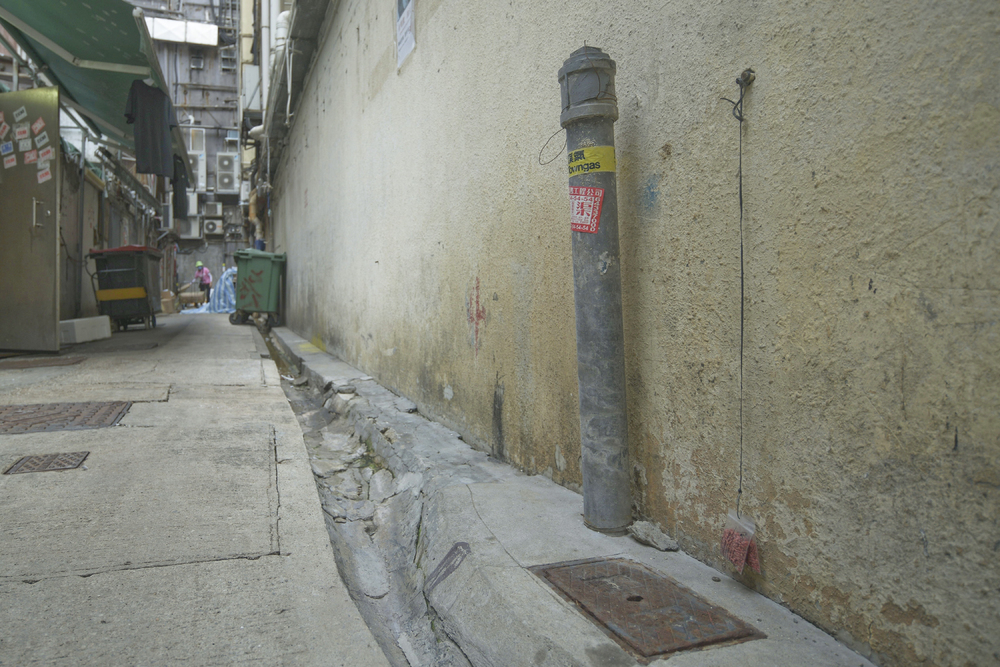
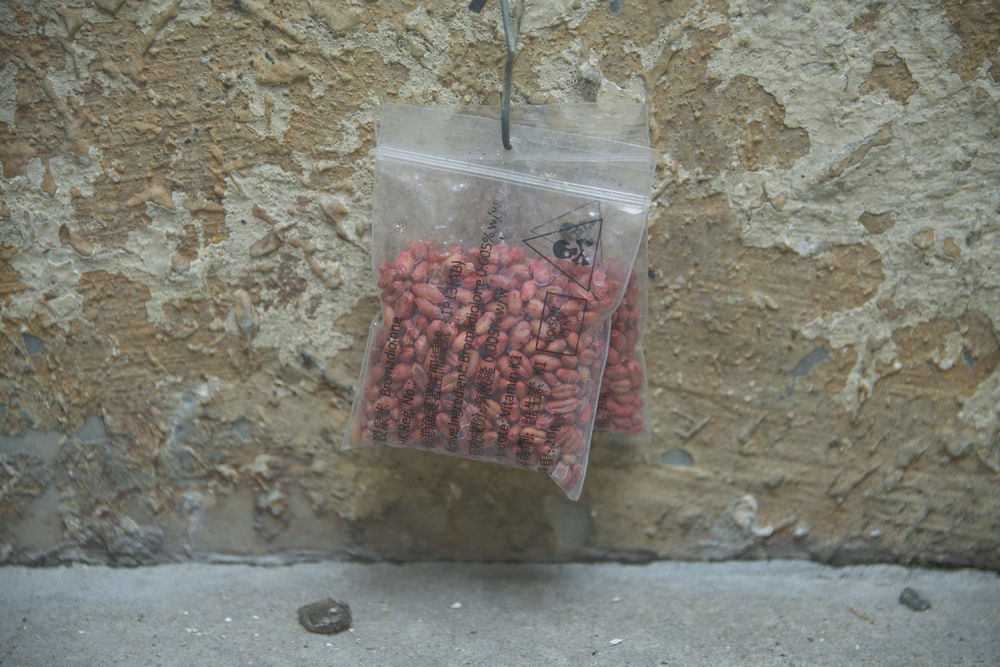
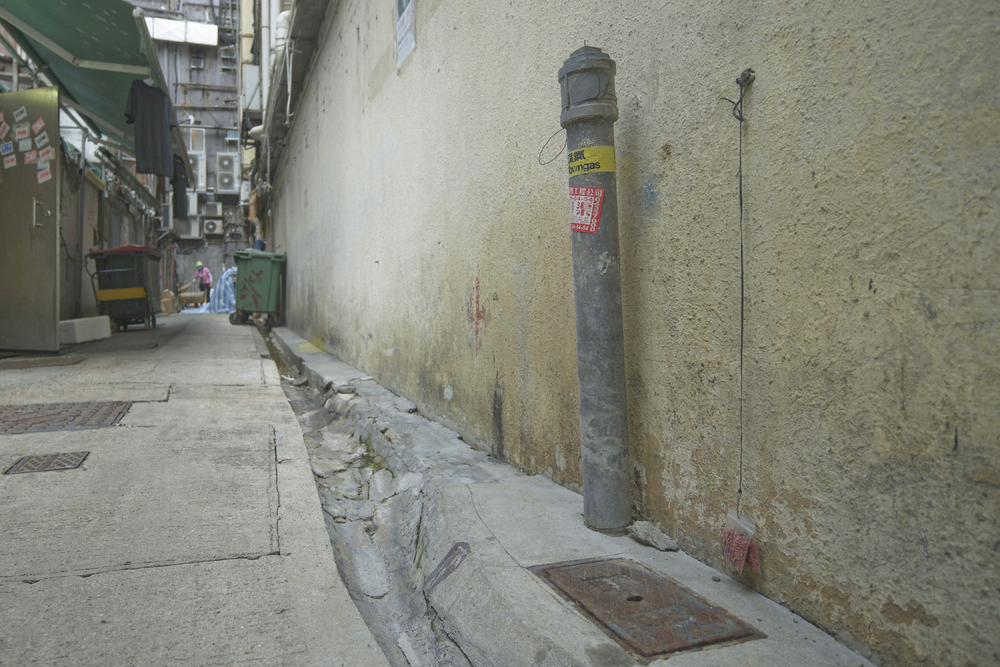
Some frontline anti-rodent officers do not know how to put out rat bait correctly as they believe the pests would open the package themselves to eat the poison, says Ombudsman Winnie Chiu Wai-yin.
In an investigation into the Food and Environmental Hygiene Department's rodent prevention and control measures, Chiu's office found that when placing bait in black spots some officers did not pierce small holes in the bags so the scent would spread.
Chiu said contractors explained that the rats would tear the packaging themselves and eat the poison, which she said is "a serious insufficient understanding."
She said the mistake hugely affects the effectiveness of the traps.
"The FEHD is advised to give strict instructions and step up training of staff, regardless if they are contractors or not. There should also be random checks from time to time," Chiu said.
People have complained of rats, particularly in wet markets, where garbage and debris usually pile up.
However, between January and November last year, the FEHD only issued 51 oral warnings to stalls with poor hygiene, which Chiu said was far from an effective deterrent effect.
"Law enforcement is inadequate. If a stall owner cannot keep his stall clean and gets three warning letters in six months, his rental deal can be canceled. But in fact this has not happened," she said.
"The FEHD should step up law enforcement."
Chiu said a half-yearly FEHD survey on rodent infestations could be inaccurate and out of date.
Currently, FEHD workers put pieces of uncooked sweet potatoes in plastic bags to use as "census baits" at 50 different locations for three days each time.
After that, they record the number of bait with rat bites to calculate the level of rodent infestation.
Chiu said the methodology should be improved to better gauge the scale of the problem.
Between 2016 and 2020, the infestation rate remained at a low level of 5 percent or below, but the number of complaints rose, Chiu said.
She said the current methodology only shows the percentage of rodent activity within each survey location but not the actual number of rodents or the frequency of the appearances.
Complaint figures should be added into the parameters of infestation rates, she recommended.
Chiu's office also found that authorities conducted rodent-control operations during the three-day survey period, which could have affected its results.
"The FEHD should also consider conducting the survey more frequently each year," she said, adding that doing it every six months is insufficient in catching up with rats' reproduction.
Sham Shui Po district councillor Mak Wai-ming said rats prefer eating leftovers from restaurants and stalls on the streets than census baits, making the FEHD survey inaccurate. Mak added: "Some back alleys where the FEHD put baits may not have the most severe problems because the FEHD clean those locations frequently."
However, FEHD Staff Rights Union leader Au Bong-tim said it is not feasible to take action on stall owners once infestation occurs.
"The punishment can only be conducted on tenants and operators by confirming the rodents were caused by their market stalls, but rats often run around," he said.
roxanne.li@singtaonewscorp.com