Read More




Night Recap - October 12, 2026
5 hours ago



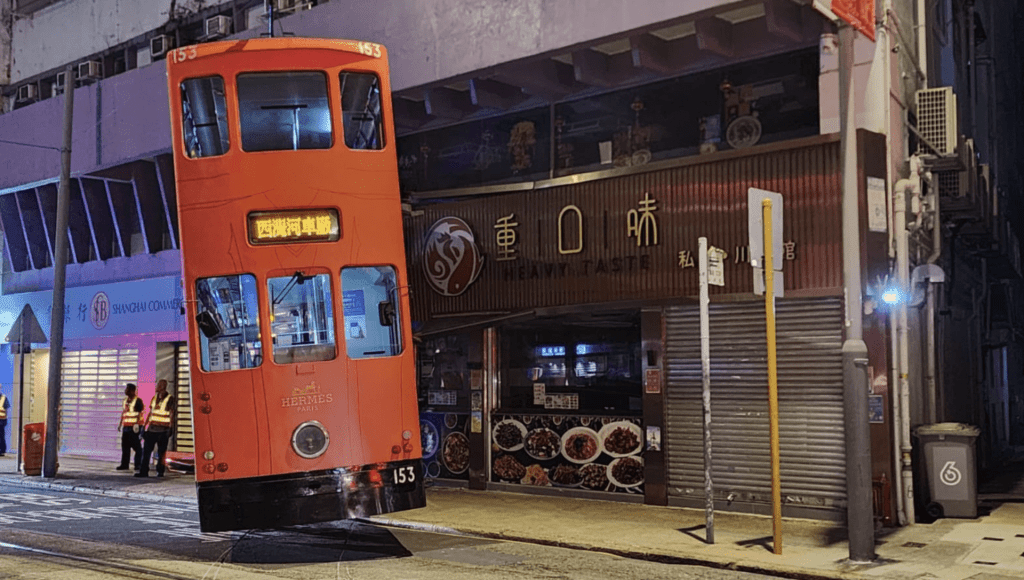
Tram derails and hits Shau Kei Wan shop
12-10-2026 02:30 HKT
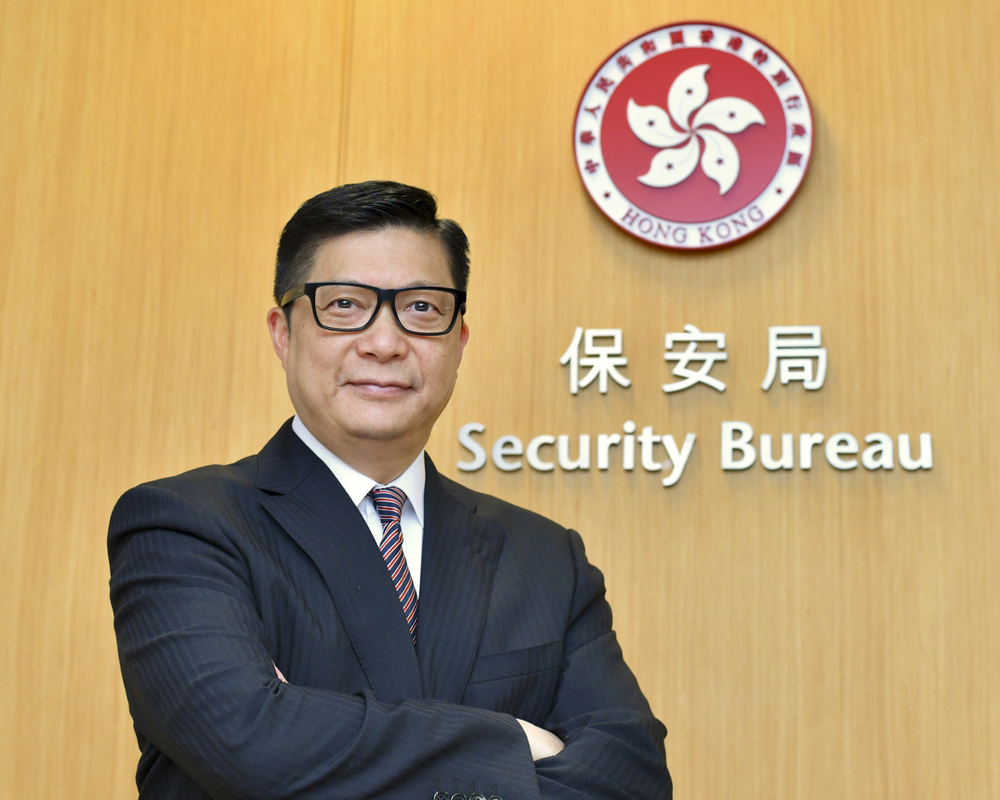
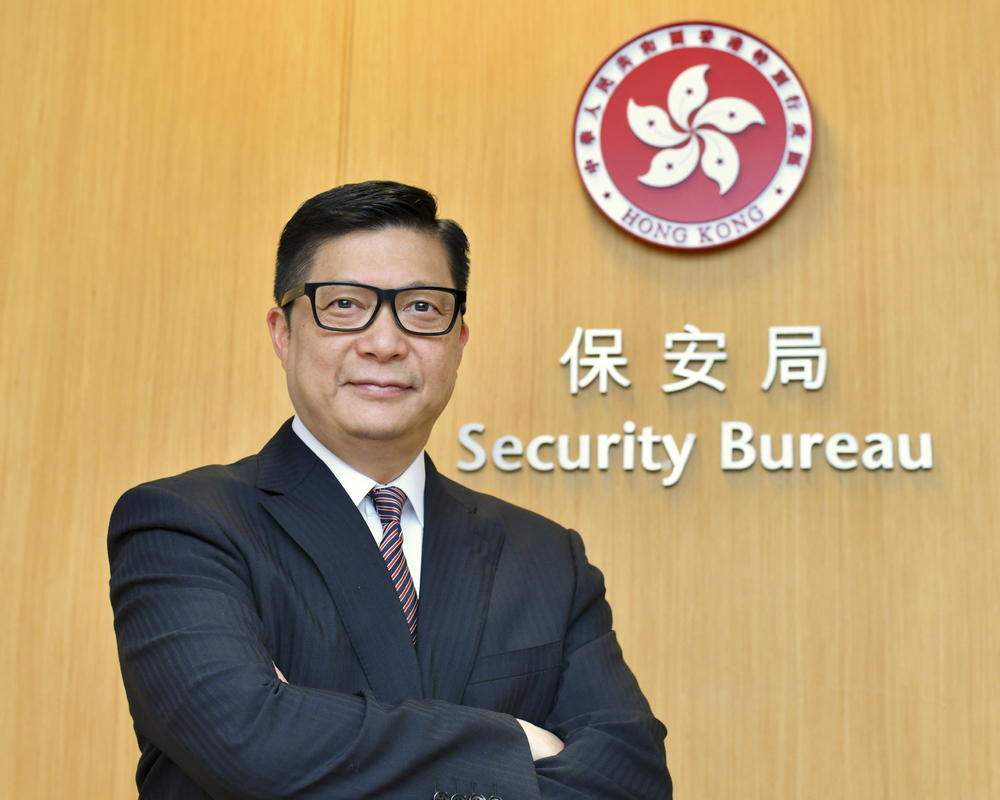
Citizens could be arrested for secession if they support Taiwan independence when celebrating the island's National Day on October 10, warns Secretary for Security Chris Tang Ping-keung.
In an interview with The Standard, Tang said Taiwan is undoubtedly a part of China, and support for Taiwan independence can be seen as secession.
"Whether people who celebrate Taiwan's National Day will be arrested depends on the actual situation of each case. But if you think in your heart that Taiwan is a separate country from China, we will find evidence," Tang said.
Asked if citizens could be arrested for waving the Taiwan flag, or just simply celebrating the Taiwanese anniversary, Tang said: "If you don't have such secession attempts, why would you behave like that?"
Tang said Taiwan is part of the mainland's territory under the constitution of China, and any person who attempts to separate Taiwan from China, or encourage such behavior, commits a serious crime.
Celebrations of the Double Ten Day in Hong Kong were common in the past, as many Kuomintang soldiers had fled to the city and stayed at the old Rennie's Mill, which is now Tiu Keng Leng.
Old soldiers would celebrate the day with red-and-blue flags flown over the area and on pitched-roof houses. But the celebrations ended in the 1990s as residents were relocated to Hau Tak Estate, a public estate in Tseung Kwan O.
On the recent dissolution of pro-democracy groups, Tang said in the interview that even after their disbandment, police will press on with investigation if evidence points to national security violations.
Members of the Hong Kong Professional Teachers' Union, Civil Human Rights Front and Confederation of Trade Unions, which have recently disbanded, may still be arrested and prosecuted, Tang said. "As for those organizations which have violated the law, the crime they have committed would not be cleared just because they have disbanded. The evidence of their crime still exists," Tang said.
"Whether you're an individual or a group, whatever your background is, whether you're disbanded or not, the police will arrest and prosecute criminals as long as there is evidence."
Earlier, the Hong Kong Alliance in Support of Patriotic Democratic Movements of China said it had received a letter from Tang, saying he would advise Chief Executive Carrie Lam Cheng Yuet-ngor to cancel the group's registration with the Companies Registry.
"We have required the alliance to explain to us why we shouldn't cancel their registration, and we are still waiting for their response," Tang said.
Although the leaders of the group, including its former chairman Lee Cheuk-yan, Albert Ho Chun-yan and vice-chairwoman Tonyee Chow Hang-tung, have been arrested, the group is still able to respond to police inquiries, Tang said.
He did not reveal which organizations are under police investigation, but he stressed that all groups must not endanger national security.
To further step up national security regulations, Tang said authorities are striving to pass Basic Law Article 23 within the next Legislative Council term and are referring to foreign security laws to draft the bill.
Tang said the bill will be based on the draft of Article 23 in 2003 and the current social environment, adding the authorities will also consider foreign legislation, the implementation of the national security law and courts' judgments in national security cases.
"In terms of national security laws, the laws in foreign countries, including the United States, are much stricter than ours," Tang said.
The authorities will also step up security for the Legislative Council election in December and the chief executive election in March next year as well as the 25th anniversary of the Hong Kong handover next July 1, he said.