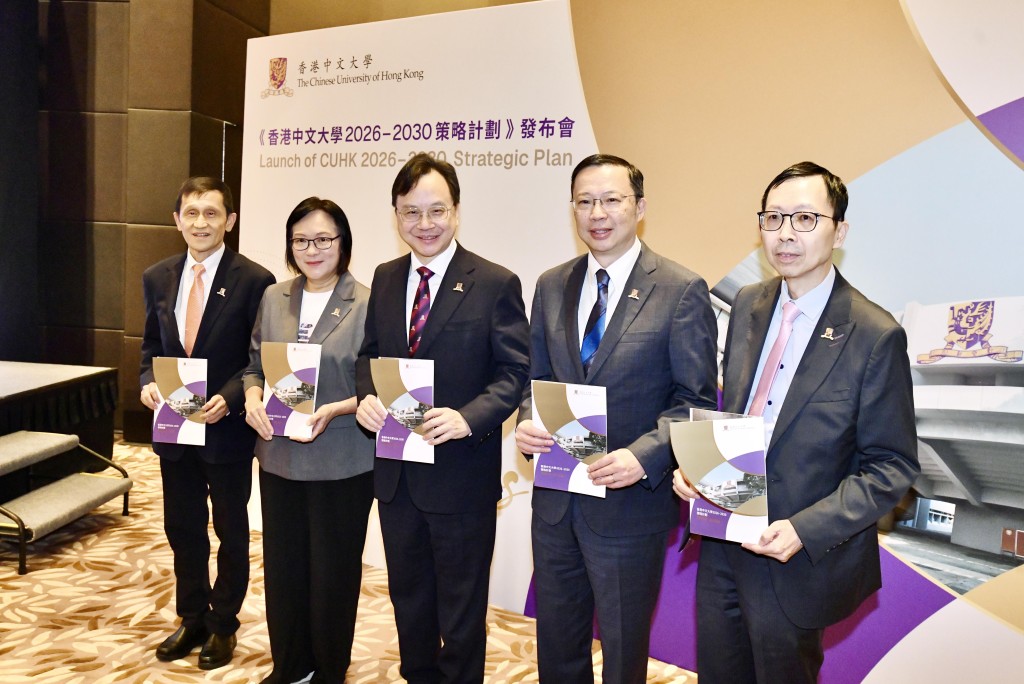
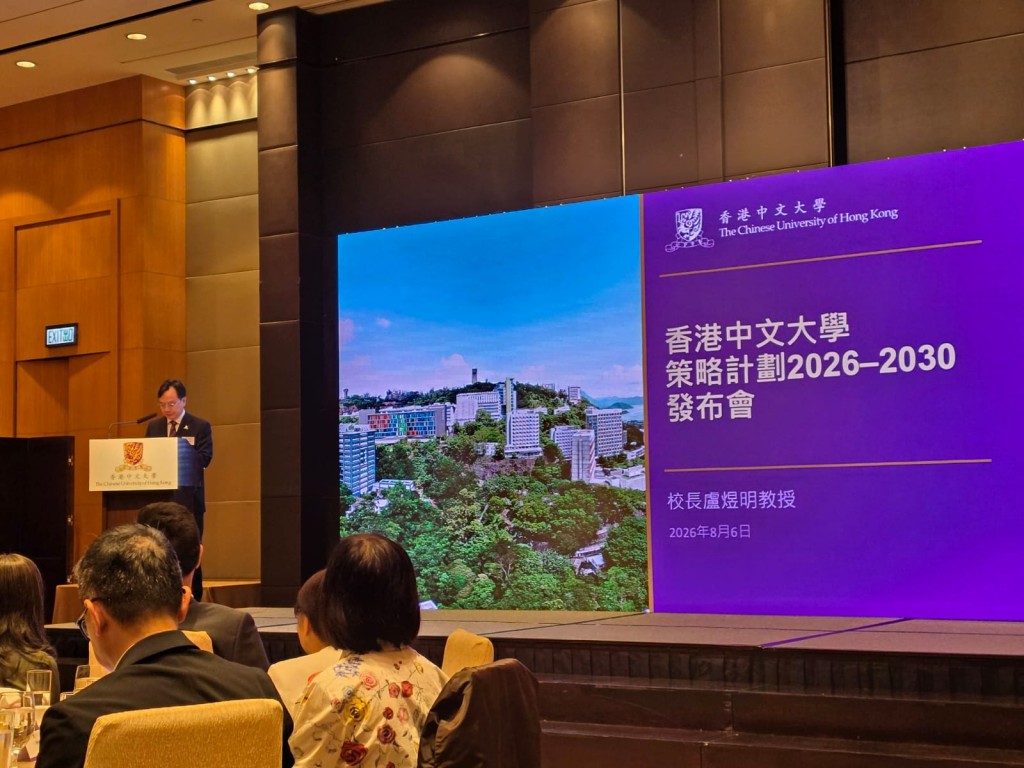
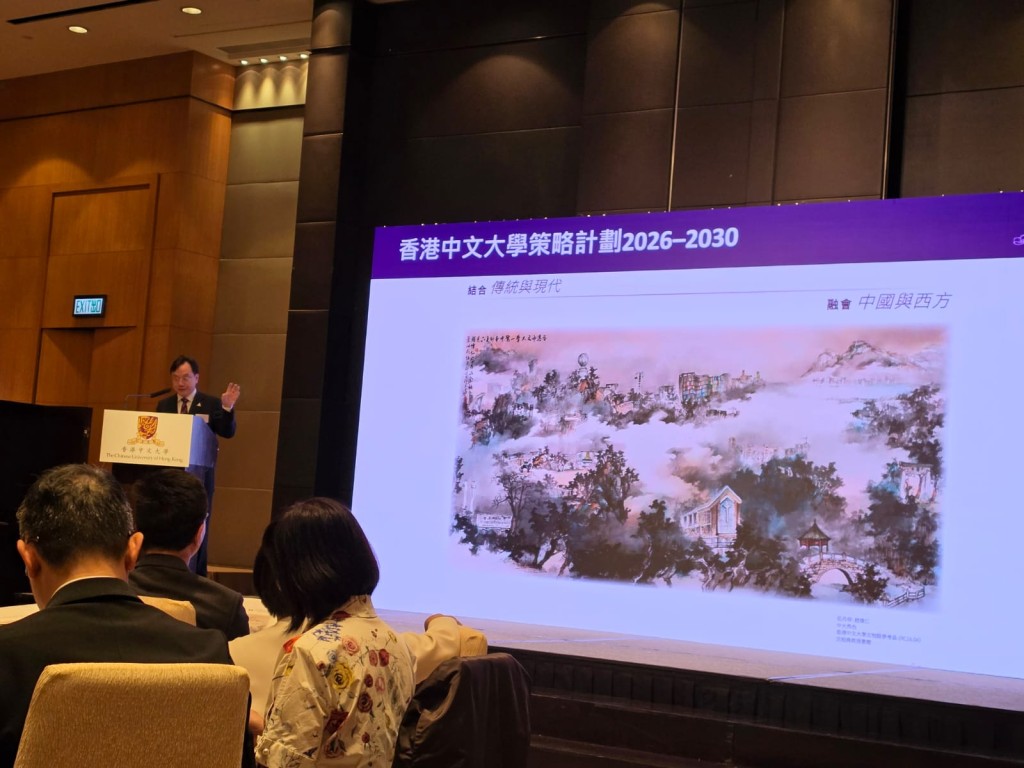
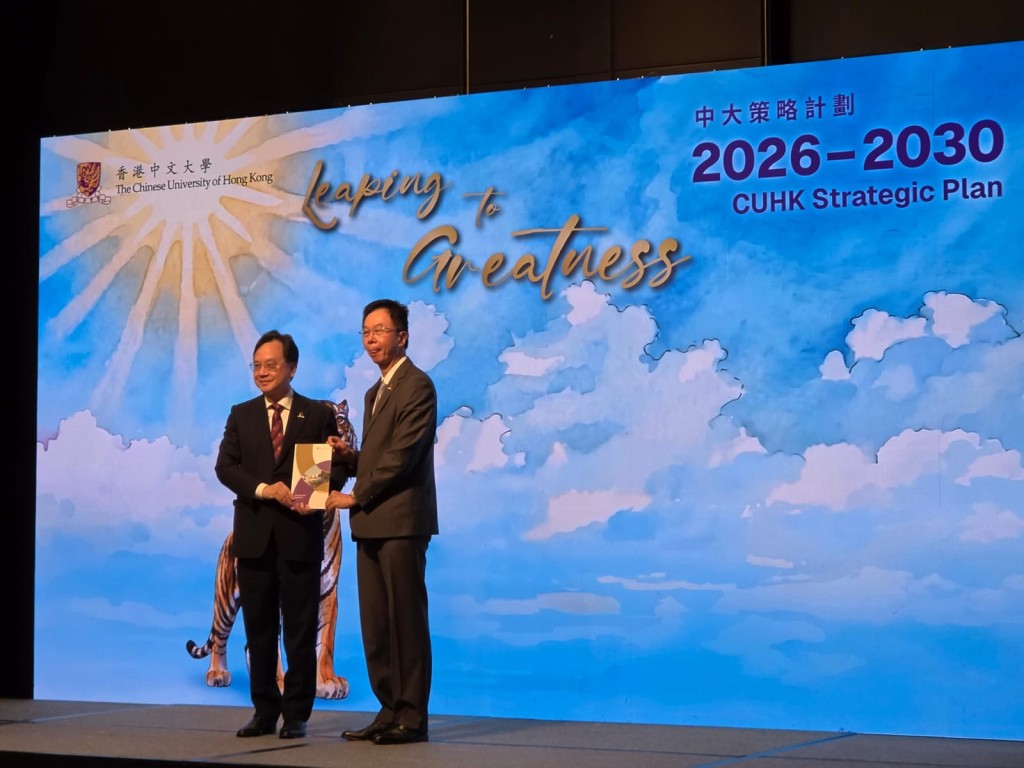
The Chinese University of Hong Kong (CUHK) has unveiled its five-year strategic plan aimed at enhancing its academic and global impact through improved talent recruitment, interdisciplinary research, and strategic alignment with national development goals.
ADVERTISEMENT
SCROLL TO CONTINUE WITH CONTENT
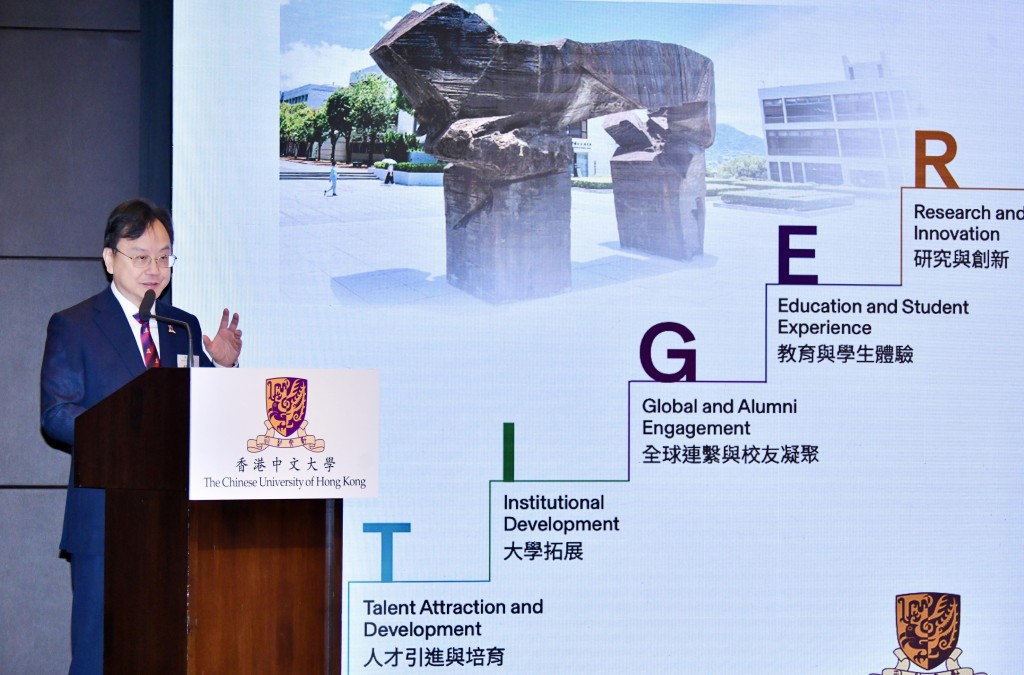
Built around the “TIGER” action framework, CUHK 2026–2030: Leaping to Greatness focuses on five strategic areas — talent attraction and development, institutional development, global and alumni engagement, education and student experience, and research and innovation.
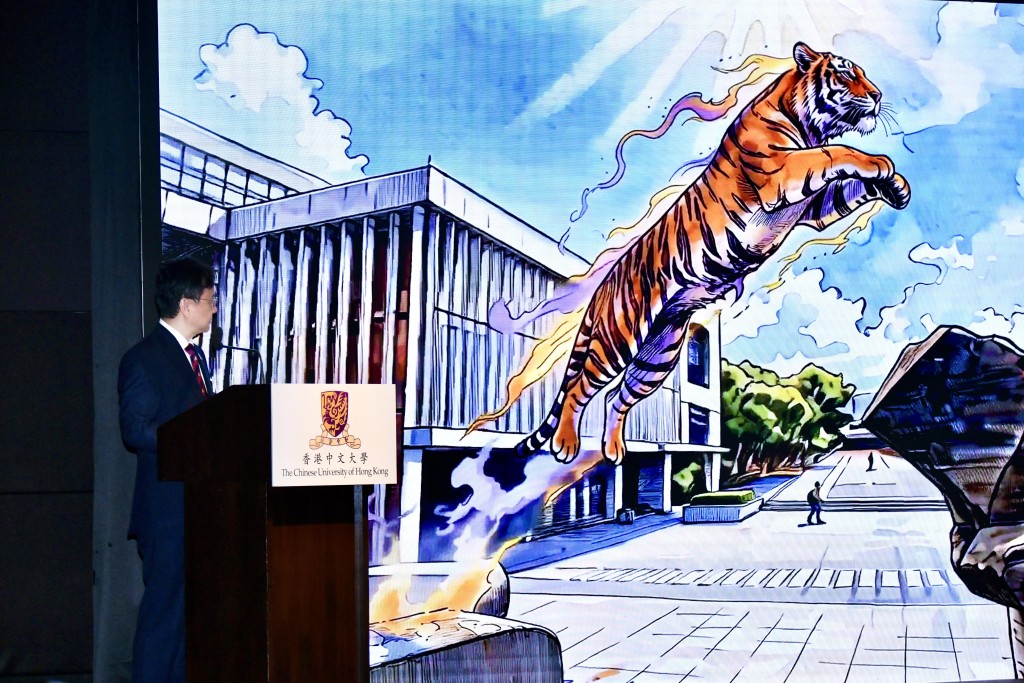
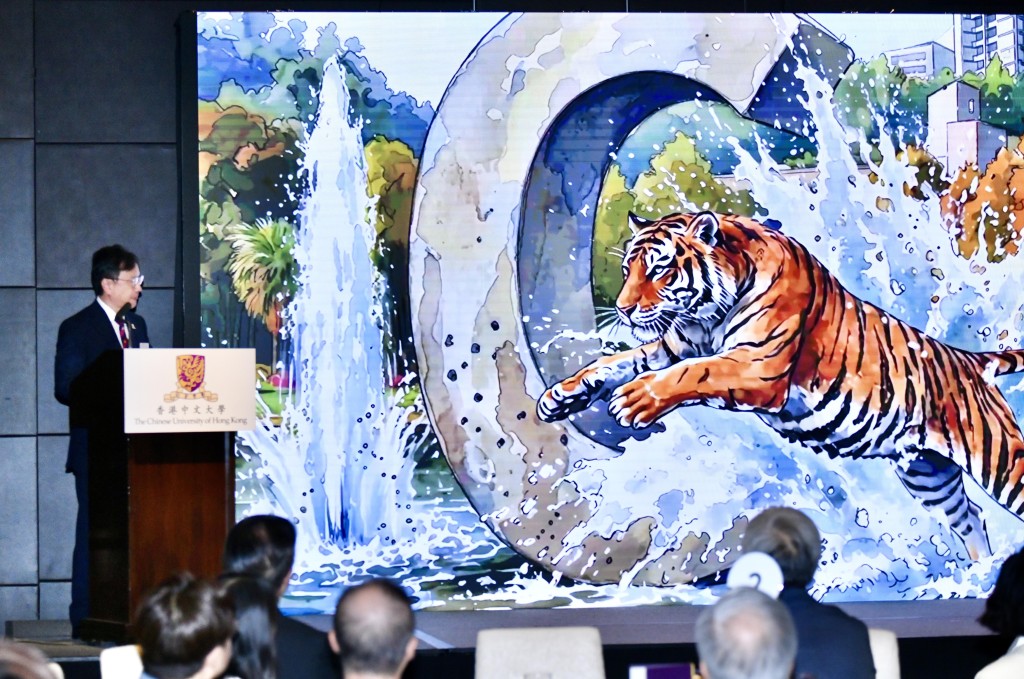
CUHK president Dennis Lo Yuk-ming said that the blueprint uses the “TIGER” framework to symbolize courage, flexibility, and vigor, guiding the university to realize its vision through precise planning and strong momentum.
+1
He added that the plan marks the first five-year plan drafted since he took office in 2025. It represents a key milestone for the university, as well as a “golden five-year period” to align with the country’s 15th Five-Year Plan and Hong Kong’s first Five-Year Plan.
CUHK will establish a 10th college dedicated to postgraduate students. The university also plans to introduce flagship international undergraduate programs, embedding innovation, entrepreneurship, and sustainability into its curriculum to promote industry–academia collaboration.
The university will also reform general education to integrate national education with a global perspective and deepen ties with its Shenzhen campus and other Greater Bay Area institutions to expand exchange and internship opportunities.
To attract top-tier students, it has launched the “CUHK Fenghuang Scholarship” this year, offering financial awards and overseas exchange opportunities to local and overseas students with outstanding public examination results.
CUHK will focus on frontier fields such as life health technology, artificial intelligence, quantum science, and green technology by seizing development opportunities in the Northern Metropolis, the Hetao cooperation zone and the Greater Bay Area.
It also plans to integrate more deeply into the national innovation system and actively participate in major strategic scientific projects spanning space exploration, polar expeditions and deep-sea research.