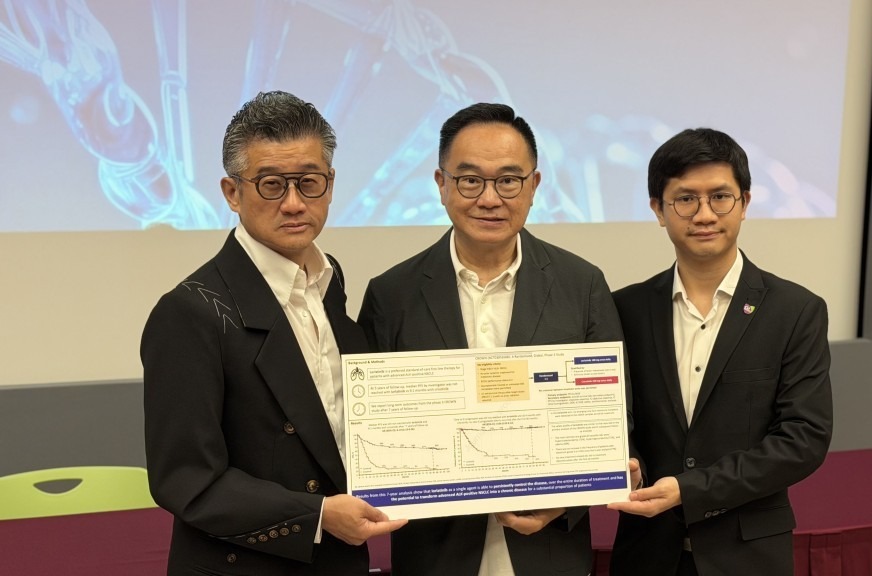
More than half of patients with an advanced form of mutated lung cancer showed no disease progression for seven years after receiving a third-generation targeted drug as first-line therapy, according to a study led by the Faculty of Medicine at the Chinese University of Hong Kong.
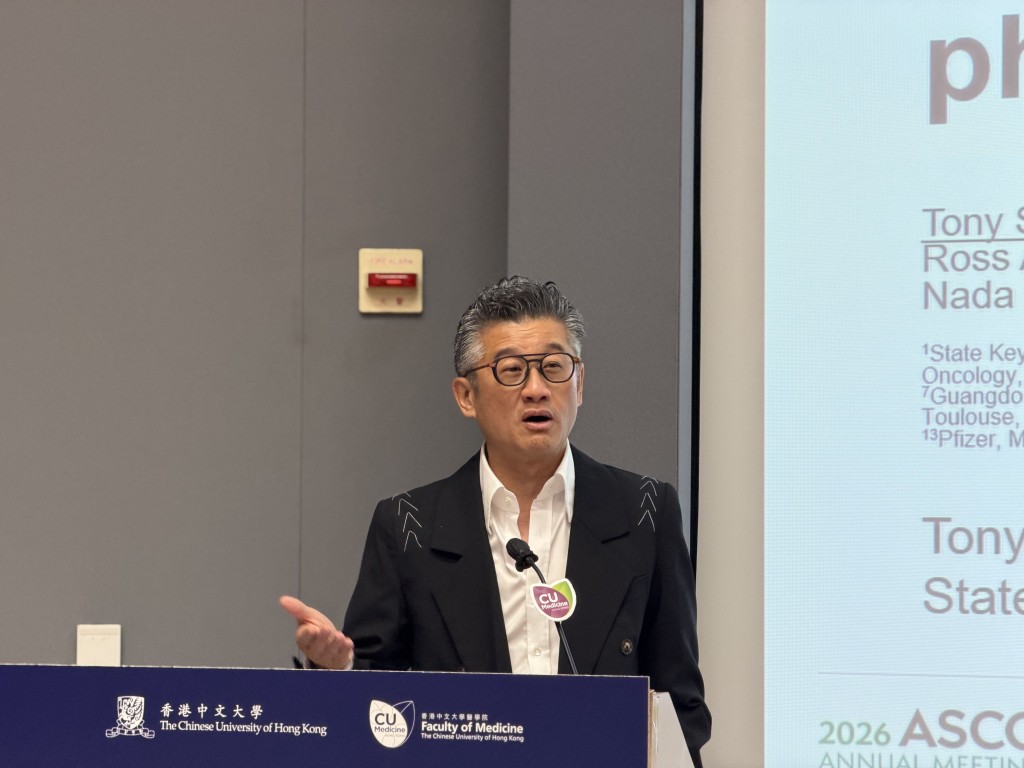
Tony Mok Shu-kam, chairman of the Department of Clinical Oncology and the study’s lead researcher, said the drug’s prolonged efficacy could potentially turn this type of advanced lung cancer, once considered highly lethal, into a manageable chronic condition, offering hope to patients worldwide.
Lung cancer remains the leading cause of cancer deaths in Hong Kong, with more than 6,000 new cases recorded each year. Nearly 80 percent of cases are non-small cell lung cancer, while about 4 percent test positive for ALK gene mutations, a subtype associated with a higher risk of brain metastasis.
The seven-year trial, conducted at multiple cancer centers worldwide, enrolled 296 previously untreated patients with advanced ALK-positive non-small cell lung cancer.
Among them, 149 received the third-generation targeted drug, while the remaining patients were treated with a first-generation drug.
The findings showed that the third-generation therapy reduced the risk of disease progression or death by more than 80 percent.
Nearly 80 percent of patients who showed no disease progression during the first 24 months of treatment remained progression-free by the seventh year.
The study also found that long-term use of the medication did not lead to new or more severe side effects.
Common adverse reactions included elevated cholesterol, high triglyceride levels, weight gain and mild cognitive impairment. However, the research team said these effects could be effectively managed by adjusting the dosage without compromising the drug’s overall efficacy.