
Read More
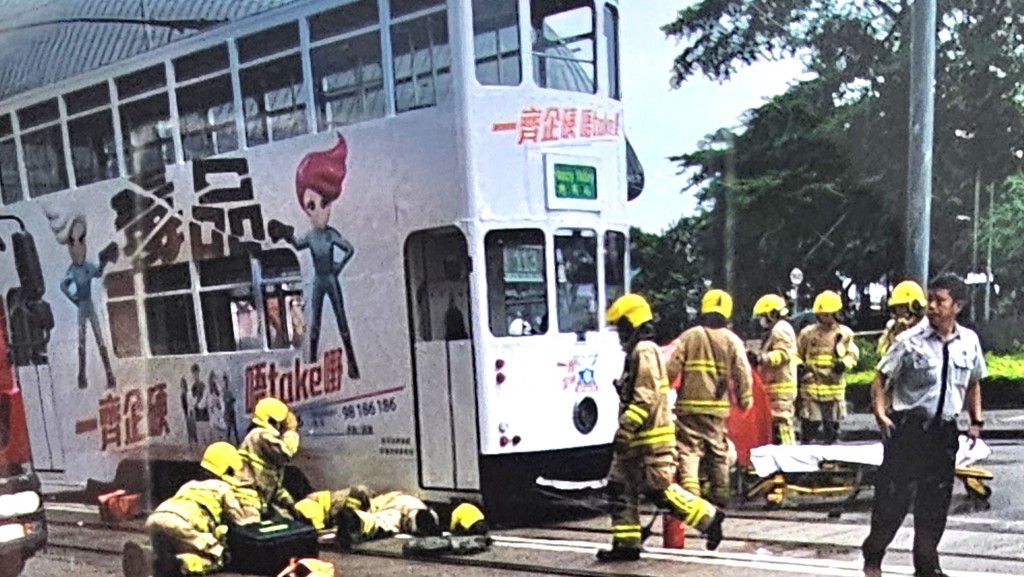
Fatal traffic accidents in Hong Kong surged 44 percent year on year in the first half of 2026, despite substantial declines in the overall number of injury-causing and serious crashes, police said on Wednesday.
ADVERTISEMENT
SCROLL TO CONTINUE WITH CONTENT
The city recorded 59 fatal traffic accidents during the period, resulting in 63 deaths — increases of 44 percent and 47 percent respectively from a year earlier.
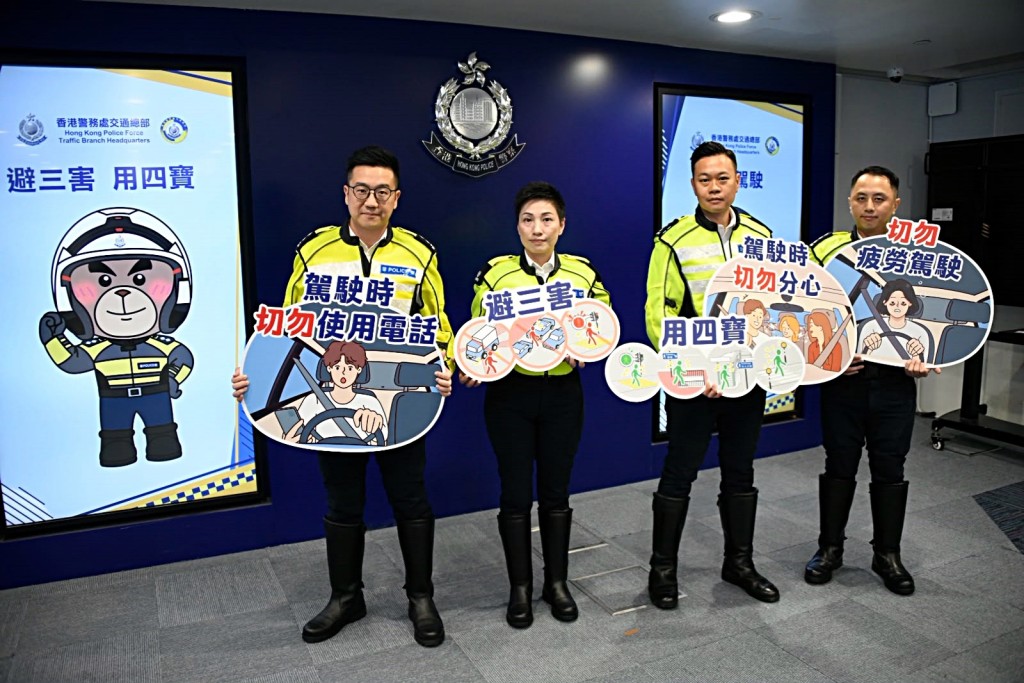
In response, police have launched a three-week citywide operation from August 3 to 23 targeting distracted driving and pedestrian offenses, alongside an enhanced road safety education campaign.
Pedestrians accounted for the largest share of fatalities, with 26 deaths, or 41 percent of the total. Drivers made up 10 deaths, while motorcyclists, passengers and cyclists each accounted for nine.
Among the pedestrians killed, 18, or 69 percent, were aged 65 or above.
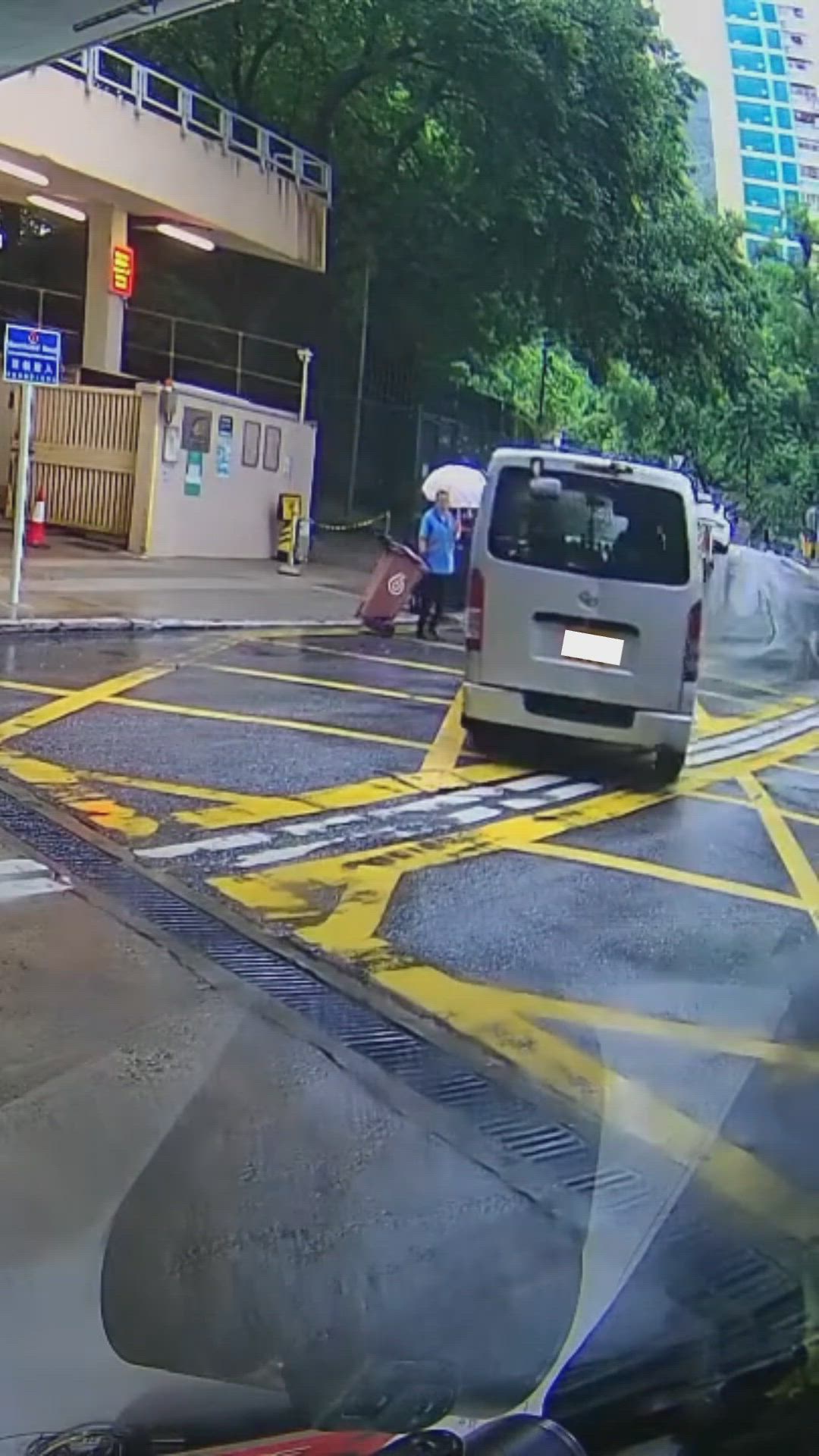
Police attributed many of the fatal accidents to pedestrians crossing roads recklessly, including ignoring red lights, weaving between vehicles and failing to take account of vehicle blind spots. Distracted driving was also identified as a major cause.
Fatal accidents involving commercial vehicles rose 58 percent to 41, accounting for 66 percent of all fatal crashes. Sixteen drivers involved were aged 65 or above.
Police said prolonged driving, fatigue and distractions such as mobile phone use or conversations with passengers were among the main contributing factors.
Cyclist deaths also increased sharply, rising 125 percent year on year to nine.
The rise in fatalities came despite an improvement in other road safety indicators.
Hong Kong recorded 7,341 traffic accidents involving injuries or deaths in the first six months, down 17 percent from the same period last year. The number of people injured fell 20 percent to 9,055.
There were 193 accidents involving serious injuries or deaths, representing a 39 percent decline, while the number of people killed or seriously injured fell by the same rate to 212.
Police said the figures continued a decade-long downward trend and were the lowest recorded since 1954.
The first week of the enforcement campaign will focus on publicity and education, followed by two weeks of intensive enforcement.
Under operation Clearview, officers will target careless and distracted driving, including the use of mobile phones behind the wheel and failures to comply with traffic lights and road signs.
Unmarked police vehicles will be deployed to patrol expressways across the city, with particular attention paid to offenses involving commercial vehicles.
A separate operation Autobinder will target pedestrian offenses at traffic black spots, including crossing against red lights, climbing over roadside barriers or central dividers, and failing to use a designated crossing located within 15 meters.
The Transport Department will also support enforcement at 23 government tunnels, the Tsing Ma Control Area and the Tsing Sha Control Area.
Police reminded motorists to follow lane-control signals displayed on expressway gantries. A flashing amber signal requires drivers to slow down and prepare to stop, while a red cross indicates that a lane must not be used.
Offenders face a maximum fine of HK$5,000 and three months in prison.
Meanwhile, police will hold safety seminars for logistics and public transport drivers and use artificial intelligence-generated animations to teach children about cycling safety.
A new publicity campaign urges pedestrians to avoid three dangerous behaviors — crossing against red lights, weaving through traffic and ignoring vehicle blind spots — and to use footbridges, subways, zebra crossings and signal-controlled crossings.
Police reiterated that road safety was a shared responsibility and urged the public not to put their lives at risk by breaking traffic rules.