






Read More



Night Recap - July 26, 2026
1 hour ago








HKO to issue T8 signal at 10.10pm as Typhoon Noul threatens
25-07-2026 19:42 HKT

Singapore mulls tax cuts as top finance professionals return to Hong Kong
25-07-2026 21:22 HKT


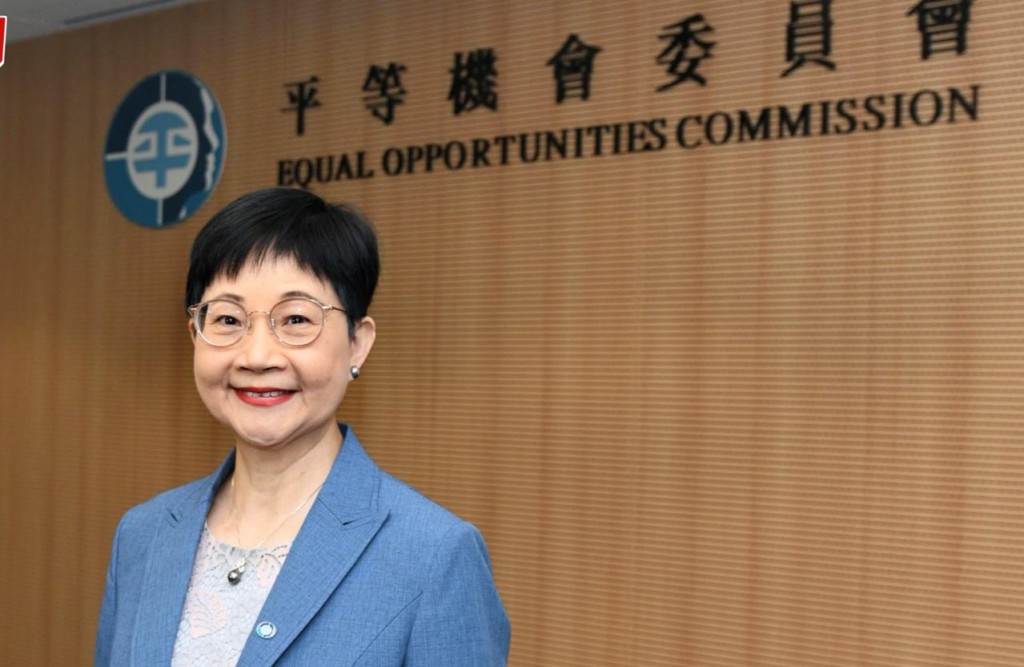
Hong Kong has made significant progress in raising awareness of equal opportunities, but sustained efforts are still needed to dismantle deep-rooted gender stereotypes, Equal Opportunities Commission chairperson Linda Lam Mei-sau said.
Speaking on a radio program marking the EOC’s 30th anniversary, Lam said openly discriminatory job advertisements, such as those seeking only “female secretaries” or “male warehouse workers,” have largely disappeared since the commission was established.
Over the past three decades, the EOC’s mandate has expanded from sex and disability discrimination to include protections against racial and family status discrimination. Since its establishment, the commission has also helped secure HK$130 million in compensation for victims through mediation and court orders.
Lam said many disputes arise from a lack of awareness rather than malicious intent, citing cases such as poorly trained restaurant staff refusing entry to a person with a disability. In such cases, the EOC encourages mediation, with a success rate of more than 80 percent.
However, she said serious violations, including dismissals related to pregnancy, are pursued through the courts.
Highlighting the continued need for public education, Lam cited a recent case in which a community center barred a man from joining a knitting class, saying the activity was “mostly for women.”
The EOC intervened and reminded the center that service providers cannot deny access on the basis of gender. The case was eventually resolved through mediation.
Lam said the commission is now focusing on tackling entrenched gender stereotypes, noting that stay-at-home husbands still face stigma from relatives and colleagues in traditional Chinese culture.
She emphasized that gender should not determine a person’s ability or role, and urged families to divide responsibilities according to individual preferences rather than social expectations.