
Read More


Morning Recap - September 16, 2026
1 hour ago


Night Recap - September 15, 2026
10 hours ago


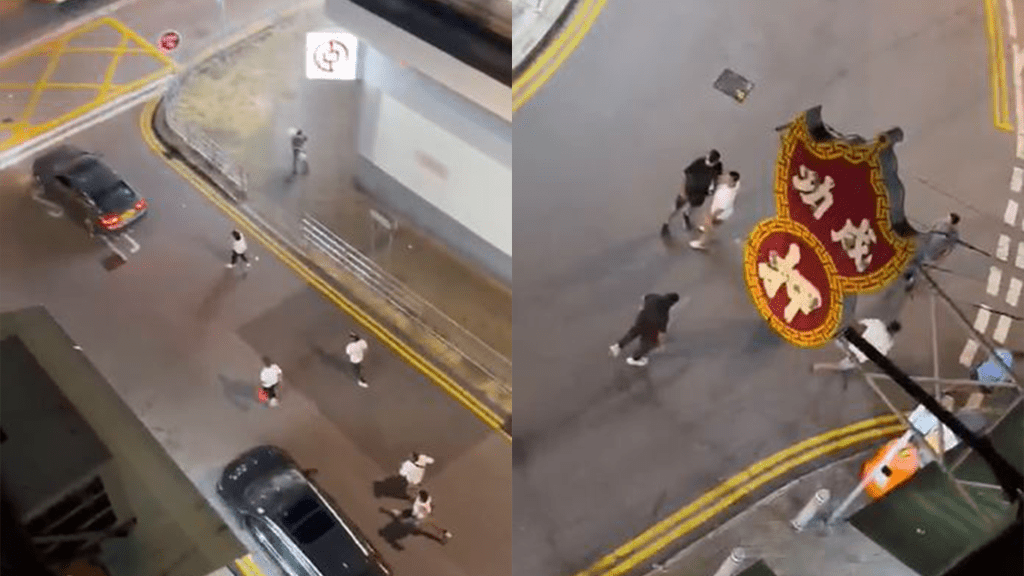
Seven arrested over Kwai Chung illegal gathering
14-09-2026 12:33 HKT
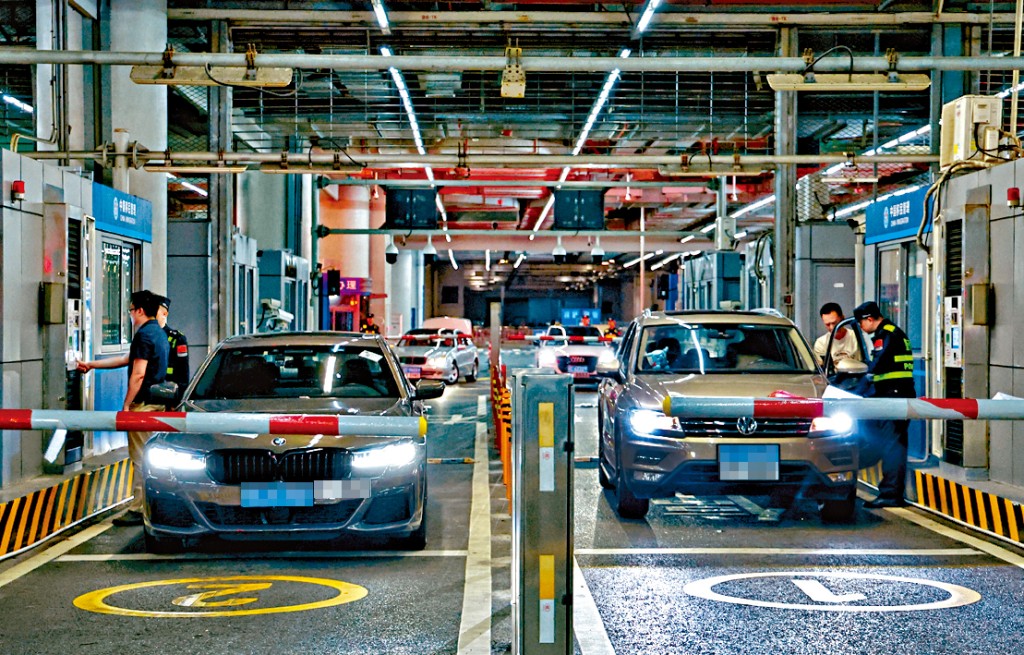
Hong Kong’s southbound travel scheme for Guangdong vehicles will expand to all nine mainland cities in the Greater Bay Area from Saturday, with the daily quota doubling to 200 vehicles.
Private cars from Shenzhen, Foshan, Dongguan, Huizhou and Zhaoqing will be added to the program, allowing approved motorists to enter Hong Kong through the Hong Kong-Zhuhai-Macao Bridge. Each vehicle may remain in the city for up to three days.
Eligible motorists from the five newly added cities have been able to submit applications since June, with successful applicants permitted to travel to Hong Kong from July 25 on their reserved dates.
The Airport Authority will also launch its new Park & Visit service on Saturday for travelers from the nine mainland Greater Bay Area cities and Macau.
Under the arrangement, drivers can leave their vehicles at the automated parking facility on the Hong Kong boundary crossing island before clearing immigration and continuing their journey by local public transportation. Unlike the existing Park & Fly service, it is intended for visitors entering Hong Kong rather than passengers transferring to flights.
Secretary for Transport and Logistics Mable Chan and Airport Authority representatives are expected to attend a welcoming ceremony for the first group of users on Saturday morning.
A mainland car club organizer who joined the scheme during its initial phase said he planned to return with a new group of motorists next week.
He said the arrangement had created more opportunities for car enthusiasts from both sides to meet and that he now visited Hong Kong about twice a month.
However, he noted that motorists from some cities face a relatively long journey to the bridge. A drive from Shenzhen to Hong Kong, for example, could take more than two hours.
The Transport Department said the scheme had operated smoothly and applications continued to rise. By mid-July, more than 13,000 applications had been received for entry into urban Hong Kong, with over 11,000 approved and more than 9,000 trips booked.
The Hong Kong and Guangdong governments aim to extend the scheme to all 21 cities in Guangdong by the first quarter of 2027 or earlier, subject to its operation and public response.