Read More


Morning Recap - September 16, 2026
1 hour ago





Night Recap - September 15, 2026
11 hours ago



Seven arrested over Kwai Chung illegal gathering
14-09-2026 12:33 HKT


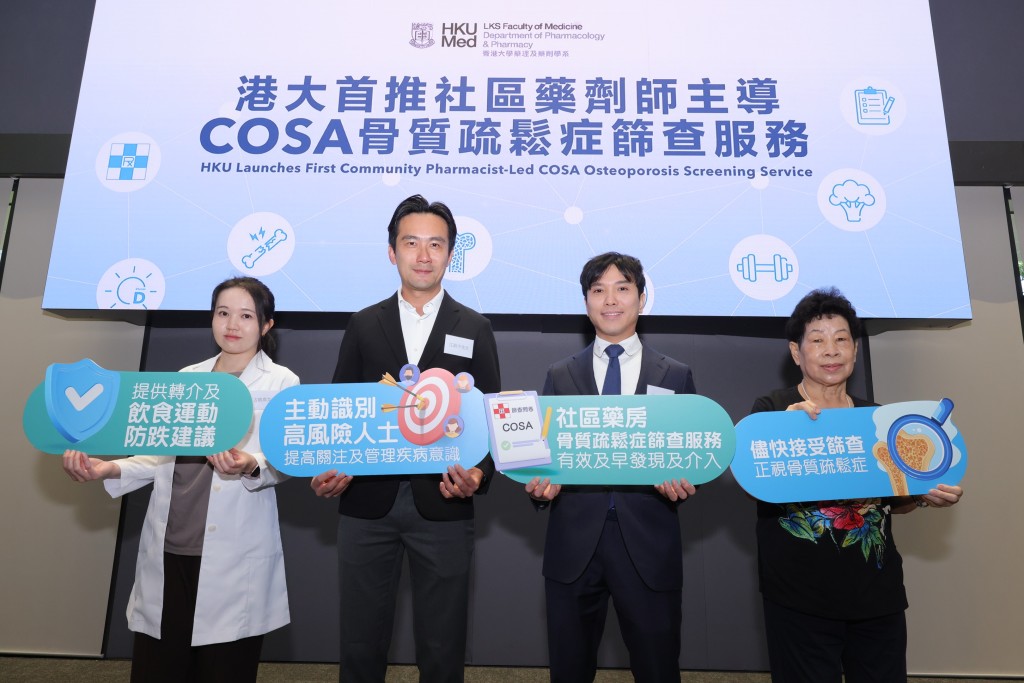
The University of Hong Kong’s Faculty of Medicine (HKUMed) has launched the city’s first community pharmacist-led osteoporosis screening service aimed at identifying high-risk individuals and facilitating timely referrals to family doctors for further clinical evaluation.
The Department of Pharmacology and Pharmacy has partnered with four community pharmacies to conduct stratified risk screenings.
During the pilot phase, the service reached over 1,000 high-risk individuals, including men aged 70 or above and women aged 65 or above.
Among the roughly 60 percent who completed the assessment, about 20 percent, 117 individuals, were identified as being at very high risk for osteoporosis.
Using the Chinese Osteoporosis Screening Algorithm (COSA) risk prediction tool, pharmacists collected four basic data points, including sex, age, body weight, and prior fracture history.
Pharmacists then provided on-site briefings on participants’ results and encouraged those at high risk to pursue further evaluation, including dual-energy X-ray absorptiometry (DXA) bone mineral density testing, through family doctors to confirm a diagnosis.
All participants, regardless of risk level, also received bone health education covering calcium and vitamin D intake, balanced diets, regular exercise, fall prevention, and lifestyle adjustments.
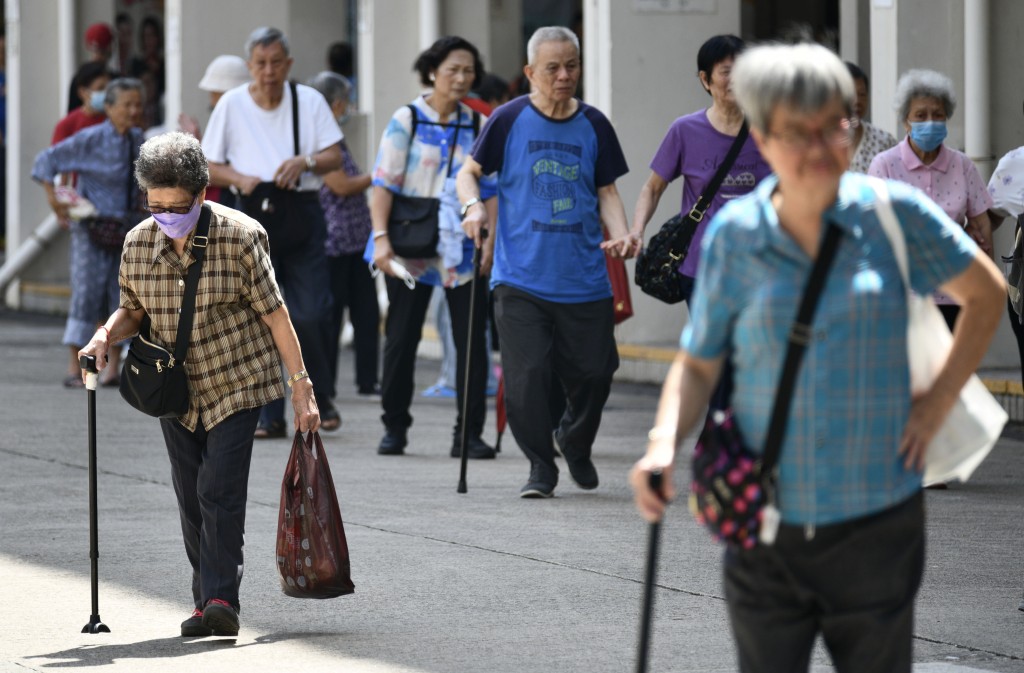
Shum, a participant in her eighties living with chronic conditions, said she was identified as high risk after being invited for screening while picking up a blood glucose meter at a pharmacy. She added the program helped her understand effective prevention strategies.
Kuki Ku, a community pharmacist from the Christian Family Service Centre, said many elderly residents regularly visit pharmacies to purchase calcium supplements or vitamin D.
This, she noted, creates an ideal opportunity for pharmacists to start a conversation and guide residents toward formal risk assessments and provide lifestyle counseling.
HKU estimates that osteoporosis affects about 30 percent of women and 8 percent of men aged over 50 in Hong Kong. It can lead to fragility fractures with mortality rates comparable to major cancers.
As the population ages, the burden of the disease is expected to grow. To support long-term prevention, HKU has developed practice guidelines and launched online training courses for pharmacists to standardize screening workflows in the city.