Read More

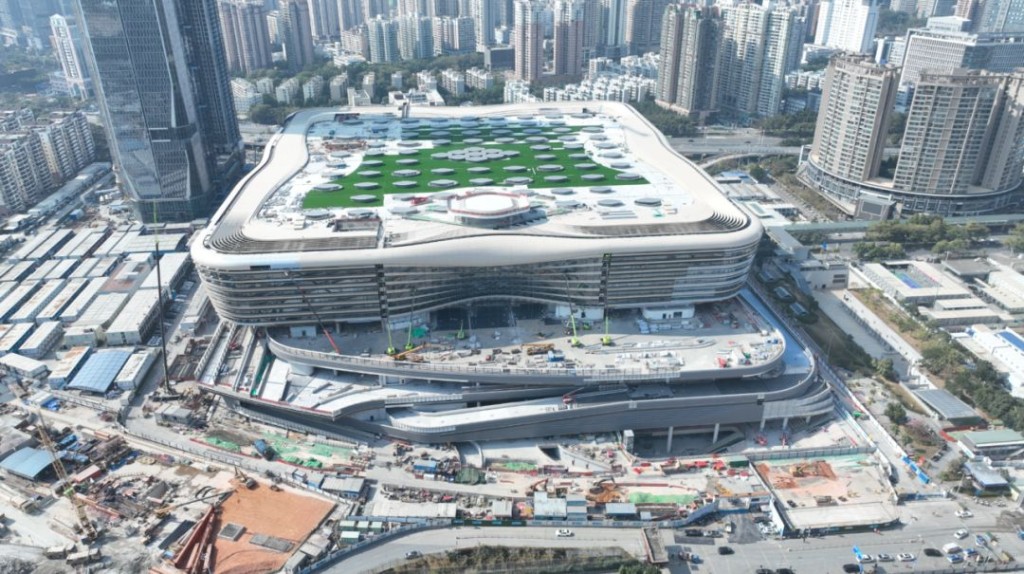
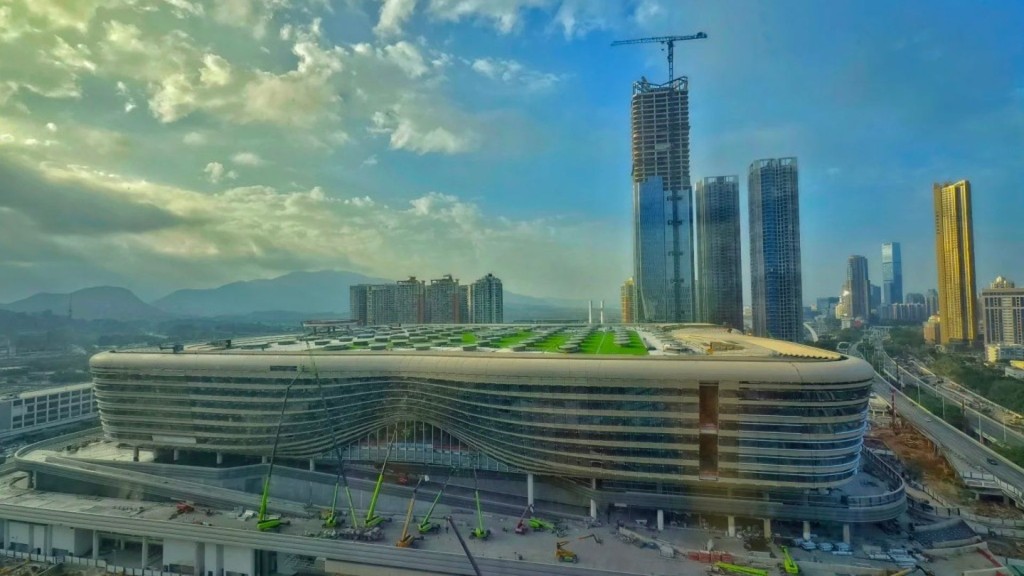
New Huanggang Port inspection building powered up
28-04-2026 03:41 HKT

Morning Recap - September 16, 2026
1 hour ago

Seven arrested over Kwai Chung illegal gathering
14-09-2026 12:33 HKT



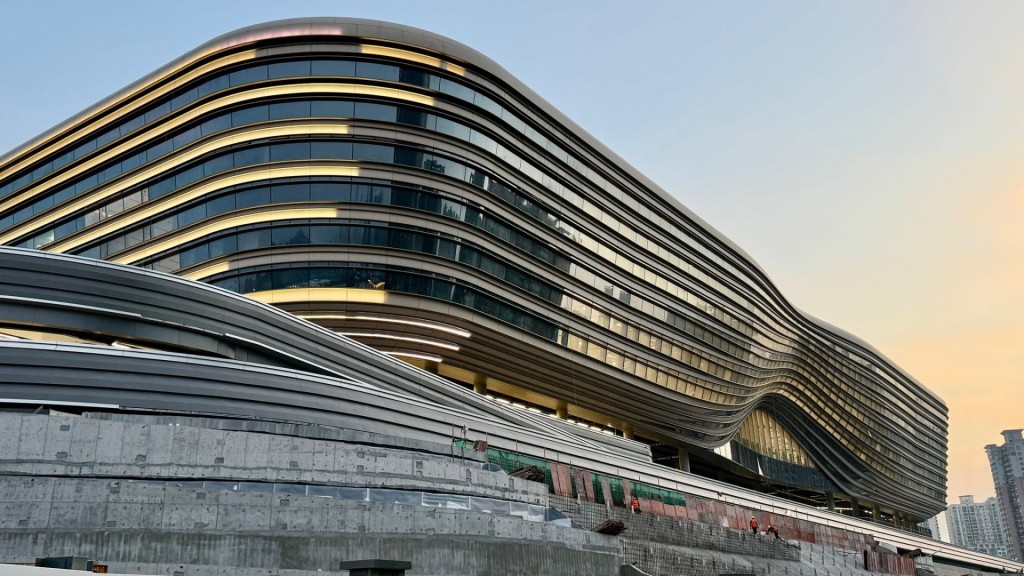
The Legislative Council’s House Committee will hold a special meeting on Thursday to speed up scrutiny of the Huanggang Port Hong Kong Port Area Bill, as the government seeks to complete local legislation before the port area is commissioned on July 31.
The bill, which was gazetted on Tuesday, completed its first and second readings in the Legislative Council on Wednesday.
Secretary for Security Chris Tang Ping-keung said the State Council had approved the commissioning of the Hong Kong port area at Huanggang at midnight on July 31, after which Hong Kong laws will apply there.
Tang said the government had a duty to complete the local legislative process by the end of this month to meet the central government’s authorization timetable.
Responding to concerns that the bill was being rushed through with additional LegCo meetings, Tang stressed that standard legislative procedures would still be strictly followed. He said lawmakers were simply “working overtime” to deliver an important livelihood infrastructure project.
Tang added that four briefing sessions had been arranged on Wednesday afternoon to help legislators understand the documents.
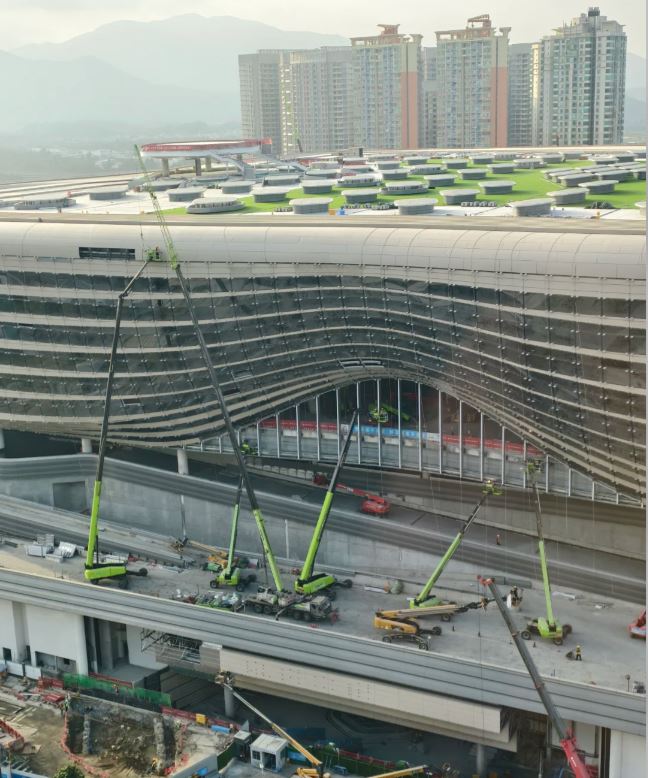
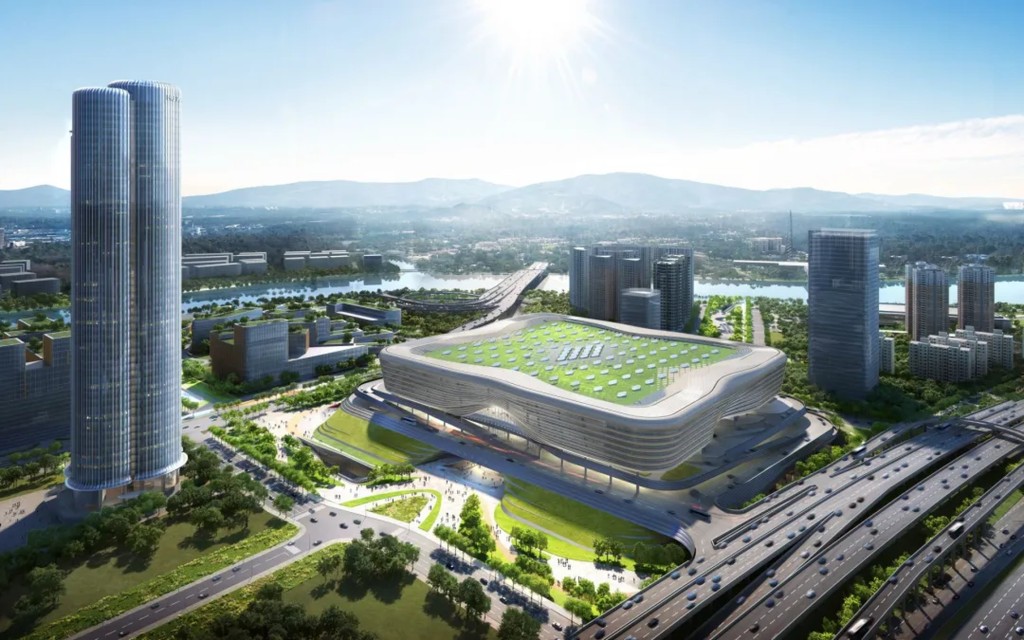
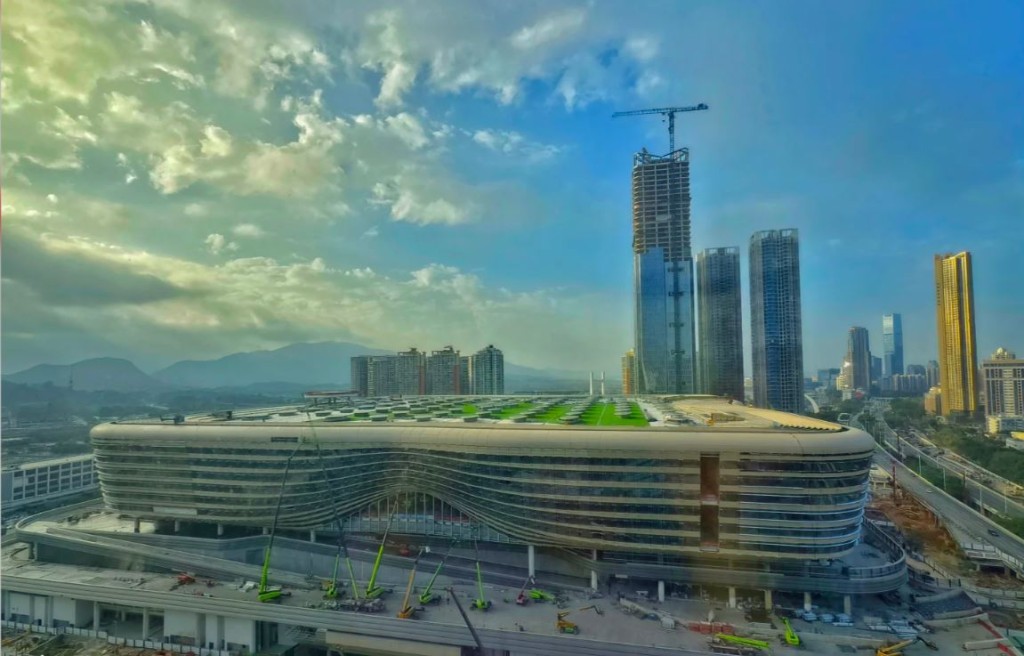
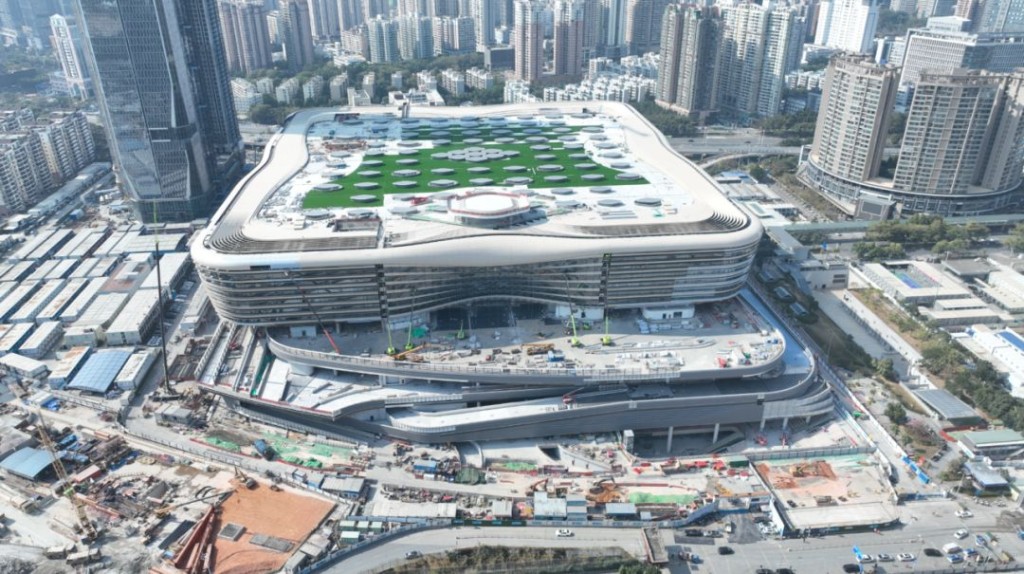
Once the bill is passed, the government will introduce several pieces of subsidiary legislation covering the port’s daily operations. These will be enacted through a “negative vetting” procedure so they can take effect when the port area opens.
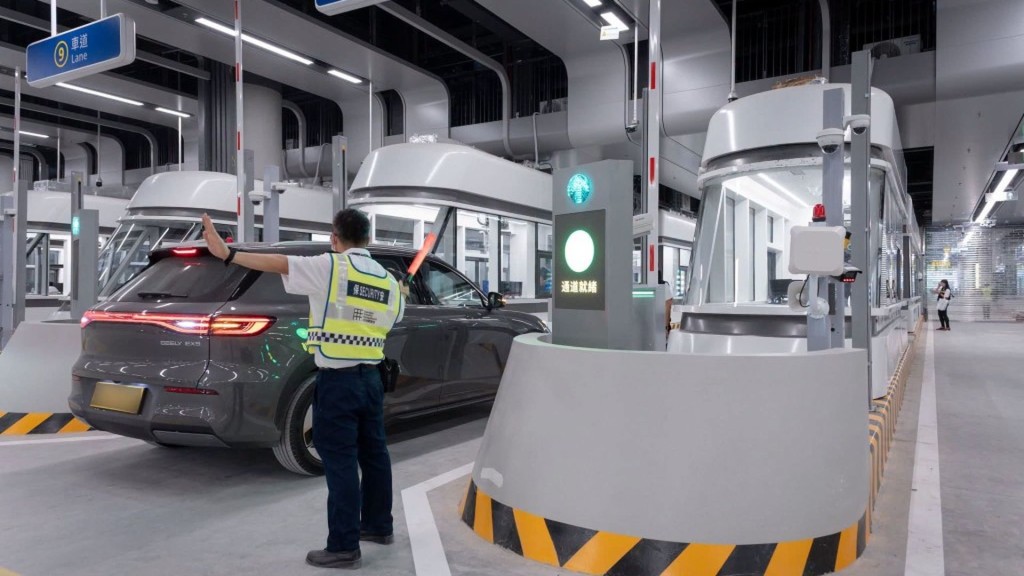
Tang said establishing the port area is a crucial step that will allow Hong Kong and Shenzhen authorities to conduct joint drills covering operations, public transport routes and emergency response. The official opening date of the checkpoint will be announced after both sides are satisfied that operations are smooth and secure.
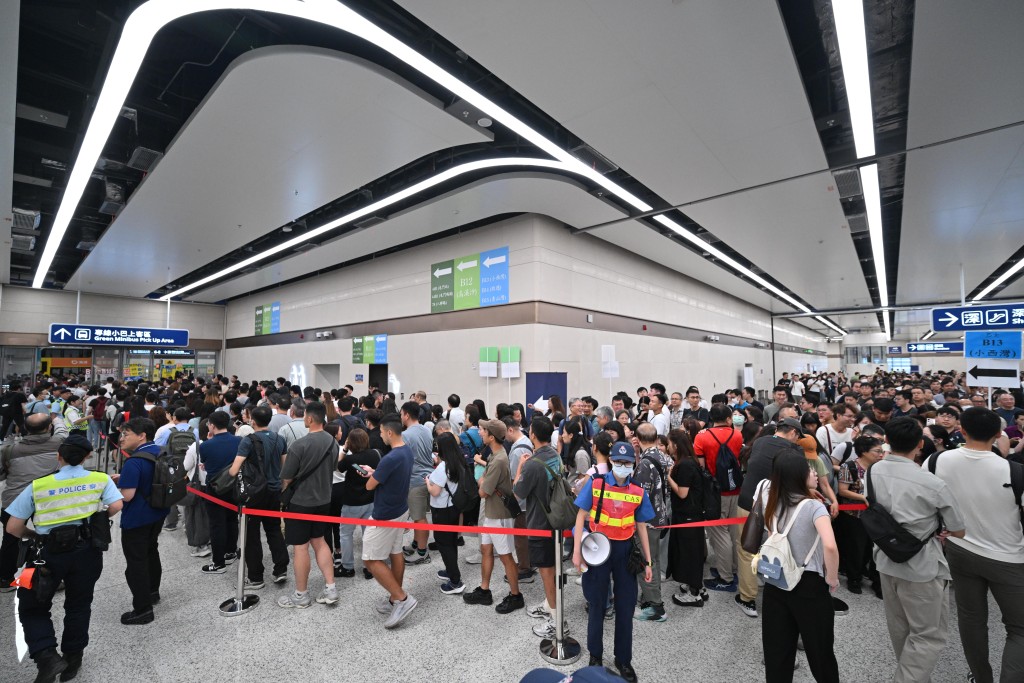
The new port building will adopt a co-location arrangement and the “collaborative inspection and joint clearance” mode. Travelers will need to present travel documents or scan their faces only once to complete both departure and arrival immigration checks, reducing the overall processing time from 30 minutes to five minutes.
Daily passenger flow is expected to rise from 40,000 to 200,000, and eventually to 300,000 after the completion of the MTR Northern Link.
Tang said the bill is modeled on the relevant ordinance for Shenzhen Bay Port. It will also allow travelers in the Hong Kong-administered zone to use local telecommunications services, while free Wi-Fi is planned for the joint inspection building.