Read More


Night Recap - September 25, 2026
10 hours ago







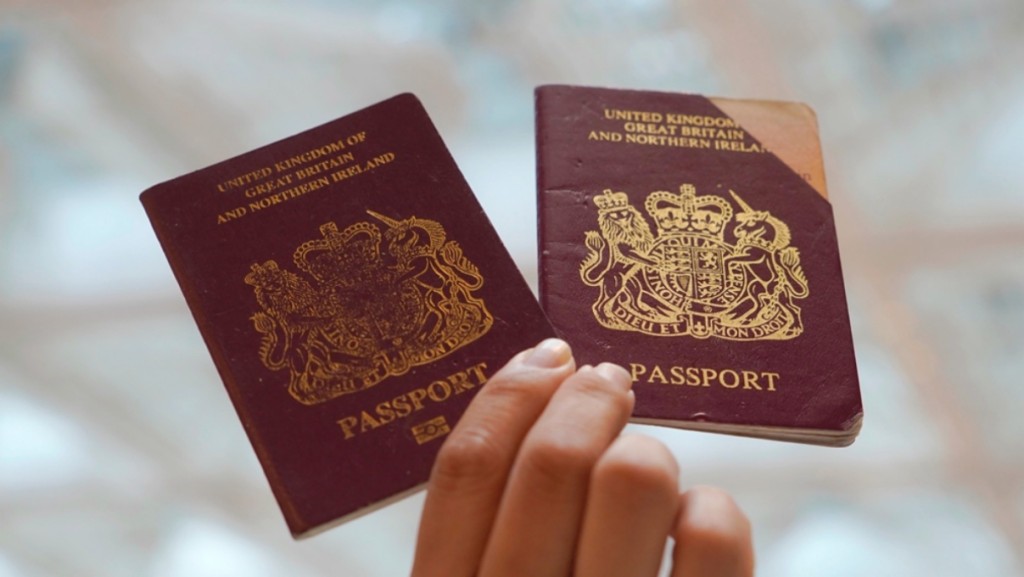
UK denies BN(O) visas to Hongkongers with protest convictions: report
23-09-2026 18:59 HKT


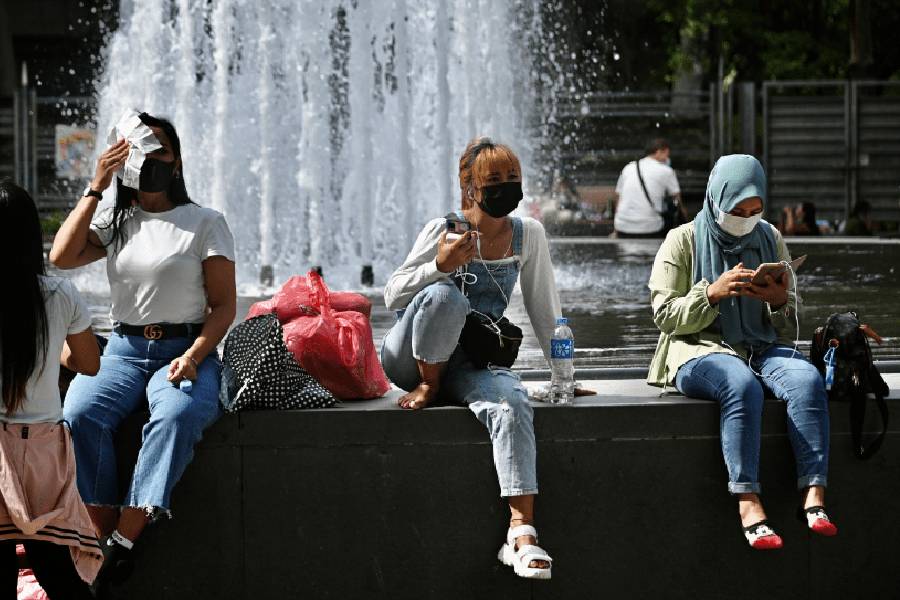
A recent social media post has sparked a viral discussion in Hong Kong about the hidden wealth of foreign domestic workers, ignited by one employer's shocking discovery of a stash of designer bags hidden under their helper's bed.
The revelation has prompted an outpouring of similar stories from local employers, uncovering a hidden class of entrepreneurial domestic helpers who quietly manage vast property portfolios, thriving businesses, and extensive philanthropic endeavors in their home countries while working abroad.
The online frenzy began when an employer shared on the social media platform Threads that they had stumbled upon several large, striped nylon bags under their domestic helper's bed while helping her clean. Initially mistaking the bags for trash, the employer was stunned to find them filled with well-maintained luxury handbags.
When asked about the stash, the helper calmly explained that she sources second-hand designer bags in Hong Kong to supply her own boutique in the Philippine capital of Manila.
Instead of spending her days off socializing in Central, the resourceful worker spends her time hunting for inventory, a side business so lucrative that it has already allowed her to purchase two plots of land back home.
The amused employer reflected on the irony of working exhausting hours to pay off a Hong Kong mortgage while their employee was quietly building an overseas empire.
The anecdote quickly went viral, prompting a flood of responses from other Hong Kong residents eager to share their own experiences with surprisingly wealthy domestic workers.
Many employers recounted discovering that their helpers were bona fide real estate moguls in their native countries.
Stories emerged of domestic workers owning luxurious villas with private swimming pools, grandiose mansions, and multiple rental properties.
One notable account detailed a helper who owned a private island, multiple plots of land, and a functioning grocery store and had even funded the construction of a church for her local community.
When asked by her employer why she continued to scrub floors in Hong Kong, the worker pragmatically explained that she needed the steady income to pay her mortgages and acquire even more land.
Beyond real estate, these entrepreneurial workers are running diverse international operations from their Hong Kong bases.
Employers shared tales of helpers remotely managing multiple bubble tea shops, running profitable cross-border reselling businesses for electronics and clothing, and even operating informal money-lending services with calculated interest rates for other migrant workers.
The wealth generated from these ventures and their Hong Kong salaries is frequently funneled into significant community projects and family advancement.
Several netizens noted that their former helpers had retired to their home countries to open hotels they had built from scratch or were currently funding the construction of local schools.
Others were astounded to learn that their helpers were successfully financing their children's higher education at universities in Australia, a feat many local employers struggle to achieve for their own families.
The financial success of these workers often translates into remarkable local philanthropy.
One employer proudly shared that their helper, who owns extensive farmland and fish ponds, recently rented multiple tourist buses to treat her entire village to a seaside vacation in Indonesia, while also regularly distributing rice to the impoverished to become a recognized local philanthropist.
Online commentators pointed out that the massive disparity in the cost of living between Hong Kong and rural areas in the Philippines or Indonesia is the driving force behind this phenomenon.
By earning strong wages and conducting savvy business in a major financial hub, these resourceful women are able to leverage favorable exchange rates and lower property costs to establish themselves as wealthy business owners and respected local benefactors in their home countries.v