Read More




Night Recap - August 7, 2026
4 hours ago


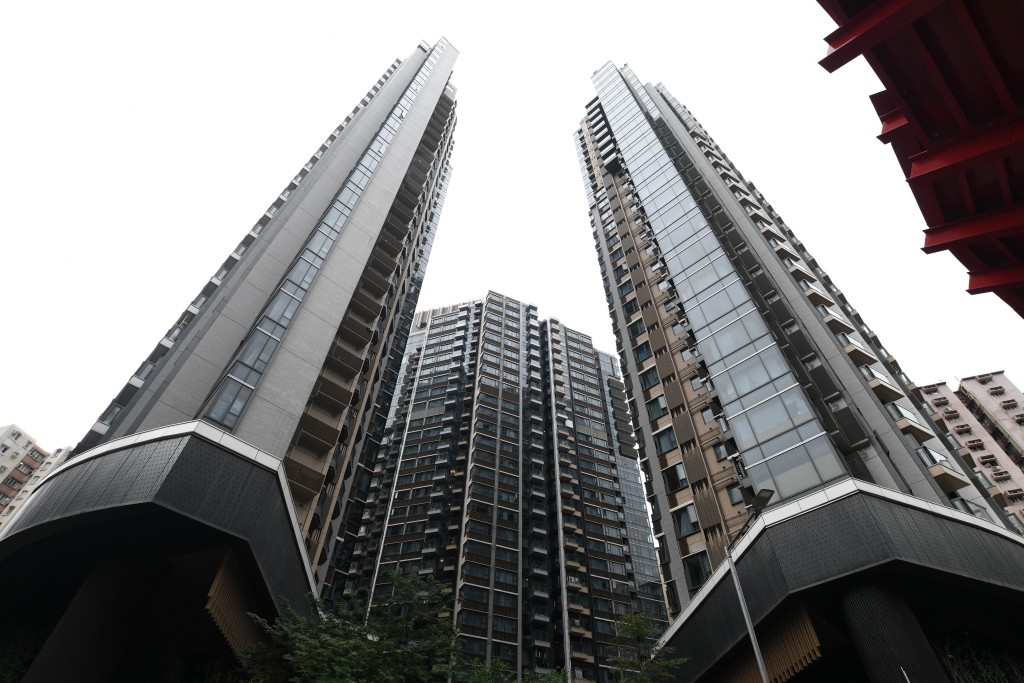
Miss Hong Kong 2005 Tracy Ip purchases Fleur Pavilia unit for HK$12.25m
06-08-2026 17:06 HKT


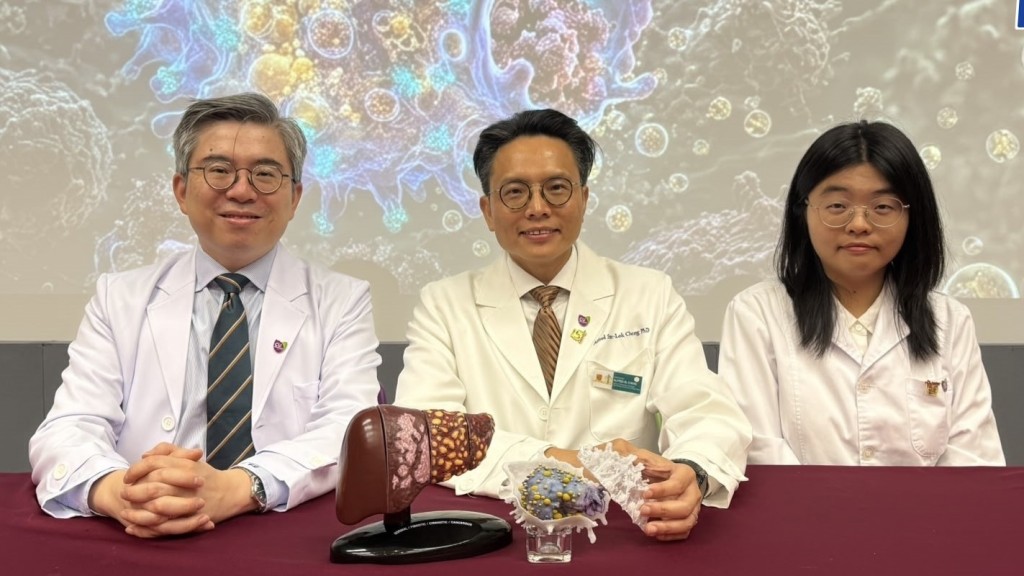
A research team of the Faculty of Medicine of the Chinese University (CUHK) has identified a new "clear out-feed in" mechanism in a subtype of macrophages that supports tumor growth by supplying nutrients. This discovery could pave the way for new drug targets to improve immunotherapy for liver cancer.
Led by Alfred Cheng Sze-lok from CU Medicine's School of Biomedical Sciences, the research revealed that a specific type of macrophage, known as TREM2+ LAM, not only clears away dead cells but also recycles and delivers fatty acids to cancer cells through extracellular vesicles.
This process helps liver cancer cells survive and adapt, making them more resistant to attacks from the immune system and less responsive to immunotherapy treatments.
Liver cancer is the third most common cause of cancer deaths in Hong Kong. Although immunotherapy is the main treatment for advanced cases, more than 80 percent of patients eventually develop resistance to immunotherapy.
Analysis of anti-PD-1 therapy (a type of immune checkpoint blockade therapy) non-responsive patient tumors showed highly active fatty acid metabolism. Mouse studies also confirmed the key role of TREM2+ LAM macrophages in the tumor environment.
When mice were treated with a combination of PD-1 and TREM2 inhibitors, their tumors shrank significantly, and there were no major side effects observed.
"We have applied for a patent on the use of TREM2+ LAM in immunotherapy," Cheng said. He added that clinical studies are being prepared in collaboration with the pharmaceutical sector, with results expected in two to three years.
The team said the combination immunotherapy targeting TREM2+ LAM may help 40 to 50 percent of liver cancer patients and might also benefit people with other cancers that have high levels of TREM2+ LAM.
The full findings were published in the scientific journal Cancer Cell.