






Read More







Night Recap - September 4, 2026
20 hours ago





Leslie Cheung 70th birthday exhibition brings the legend back to fans
03-09-2026 19:26 HKT

Louis Koo and production house sued for $149 million over unpaid loan
03-09-2026 17:07 HKT


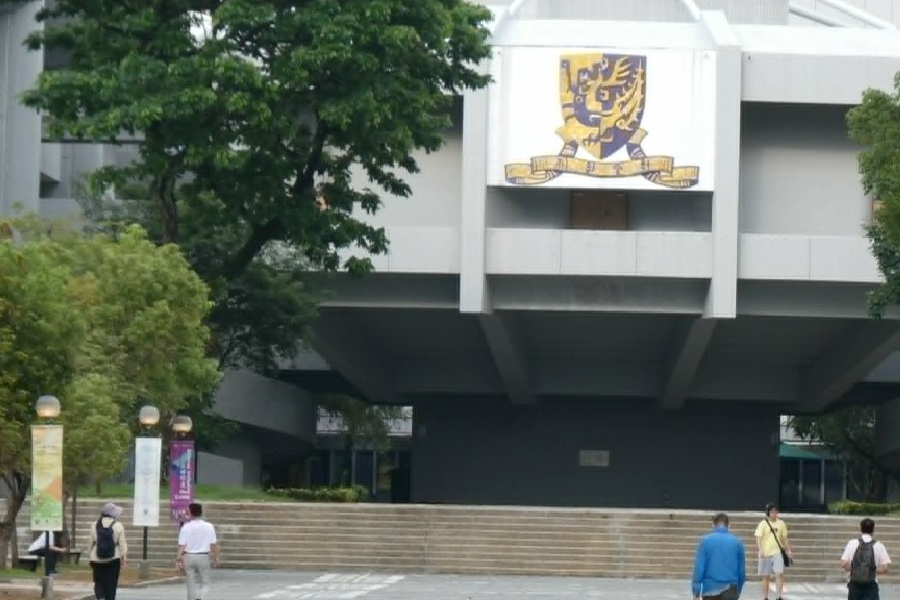
The Chinese University of Hong Kong has launched the city's first comprehensive global University Sustainability Index, revealing that Asian institutions are making significant strides in social responsibility, with nearly half of the world's top 20 spots claimed by universities in the region, including three from Hong Kong.
The pioneering index, spearheaded by the Faculty of Social Science at the Chinese University of Hong Kong (CUHK) and executed by its allied public policy and business sustainability centers, evaluated the sustainability efforts of 151 higher education institutions worldwide.
Building upon preliminary assessments and a regional Greater China index released last year, this newly expanded global tracker provides a quantitative look at how well universities are serving their communities.
The research team evaluated each institution based on a framework that measures values, processes, and impacts across seven key stakeholder groups, ranging from students and staff to suppliers and the environment.
According to the findings, universities in Oceania achieved the highest overall scores, followed closely by those in Europe.
However, Asian universities demonstrated remarkable competitiveness by taking up almost half of the top 20 global positions.
The three Hong Kong institutions securing spots in this elite group are CUHK, Hong Kong Baptist University, and Lingnan University.
Despite these strong top-tier placements, the study uncovered a widespread global trend showing that while most universities score highly in establishing values and management structures, they generally fall short when it comes to practical implementation and generating measurable societal impact.
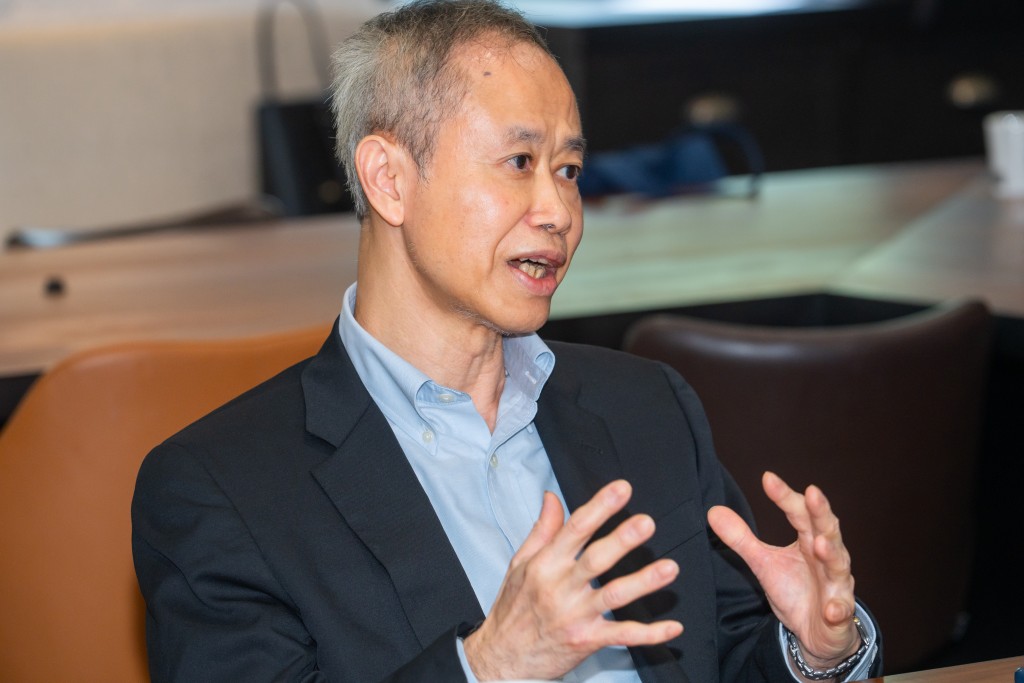
Lead researcher and professor in the School of Governance and Policy Science Carlos Lo Wing-hung noted that while the concept of university social responsibility was originally championed by Western nations, higher education institutions in Asia have rapidly accelerated their efforts and are now displaying a deep commitment to sustainable development.
He emphasized that the true value of a university extends beyond traditional academic and research metrics, arguing that institutions must actively engage with and fulfill their responsibilities to all stakeholders to foster broader societal progress.
Looking ahead at the local landscape, researchers believe that Hong Kong’s universities could elevate their overall performance by focusing more heavily on transforming their sustainability frameworks into concrete practices and tangible impacts.
To facilitate this shift, the research team is considering sharing their findings and evidence-based recommendations with the University Grants Committee and relevant government departments.
The ultimate goal is to provide policymakers with objective data that can empower higher education institutions to become genuine drivers of social change.
The index will be updated on an annual basis, and the team plans to host an inaugural forum later this year to bring together global stakeholders and university representatives to share their sustainability experiences.