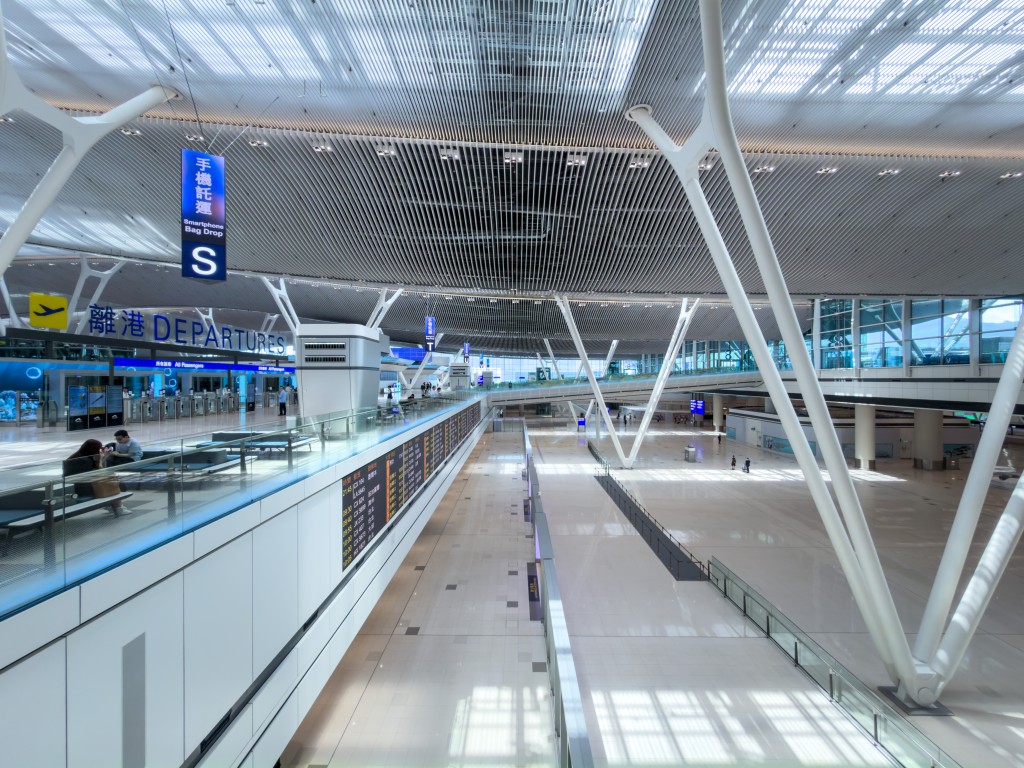
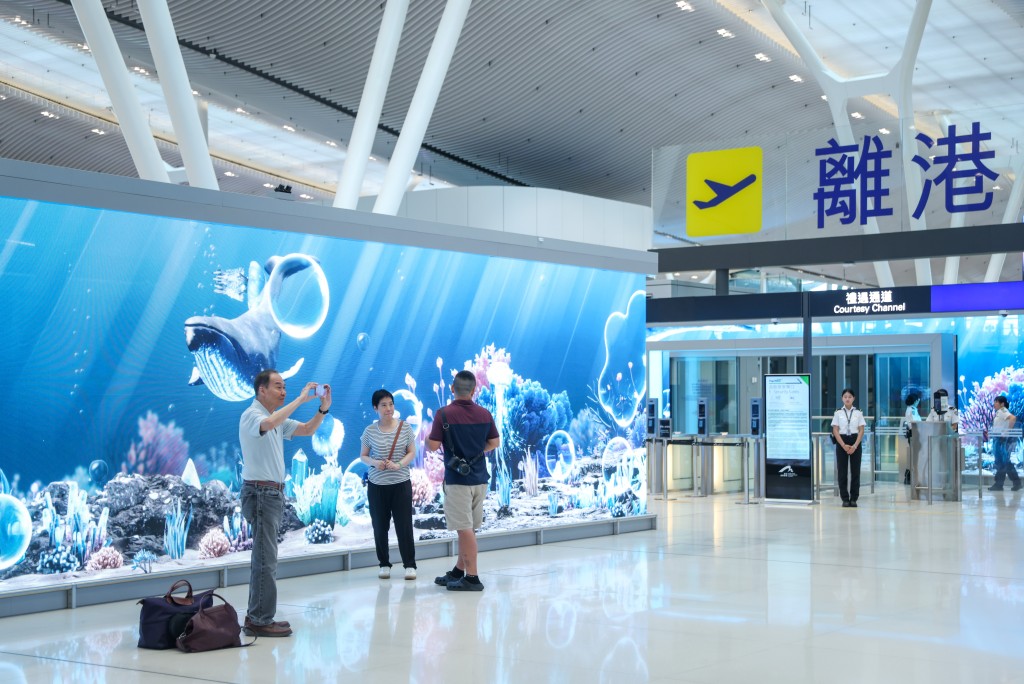
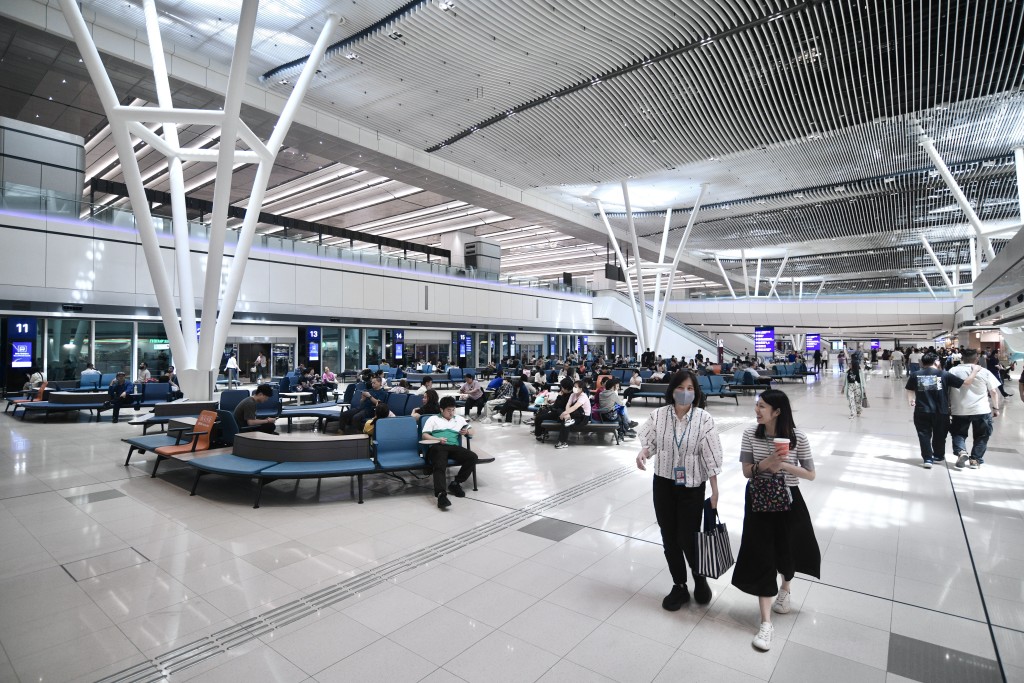
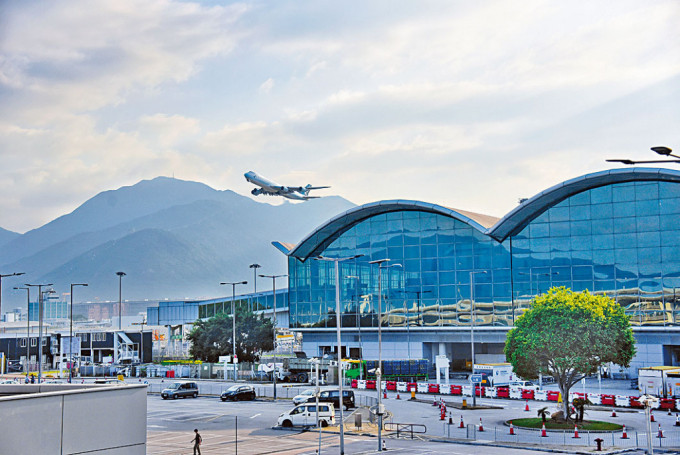
Around 4,200 passengers are expected to use the revamped Terminal 2 departure facilities at Hong Kong International Airport on its opening day on Wednesday, with some praising its efficiency while others call for more convenient boarding procedures.
ADVERTISEMENT
SCROLL TO CONTINUE WITH CONTENT
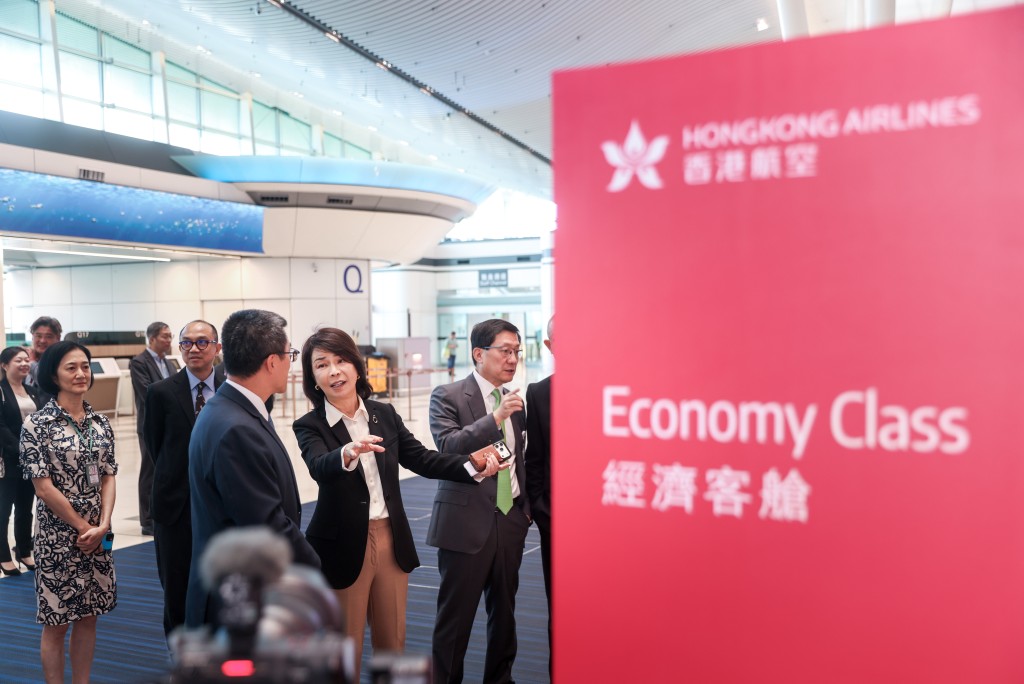
Hong Kong Airlines was the first carrier to migrate to the facility, operating the first flight to Shanghai Pudong and the day’s final departure to Osaka.
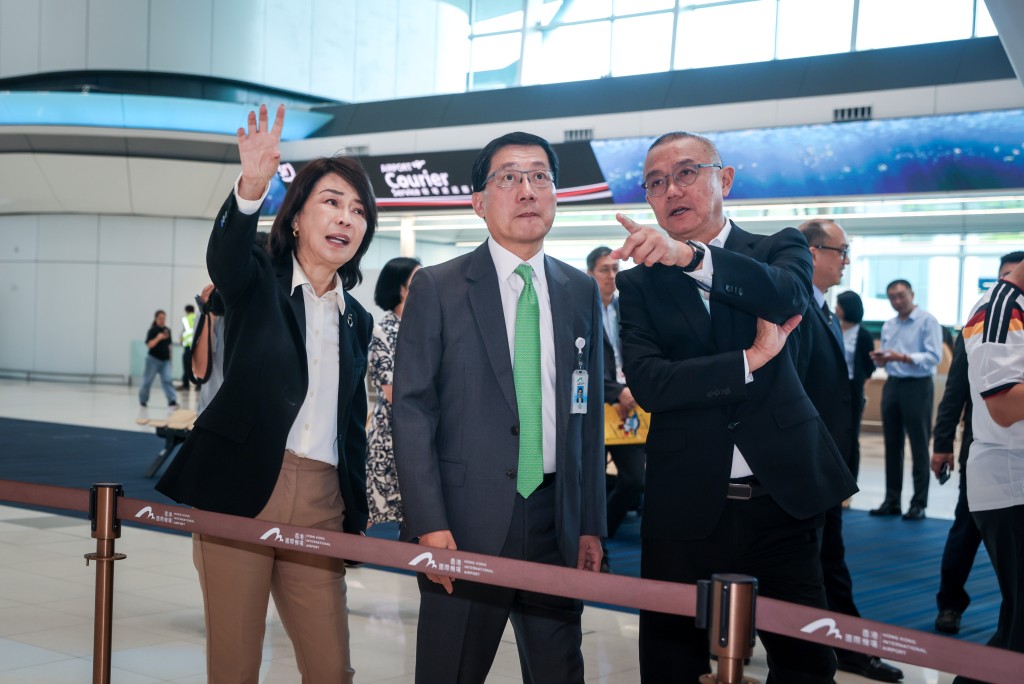
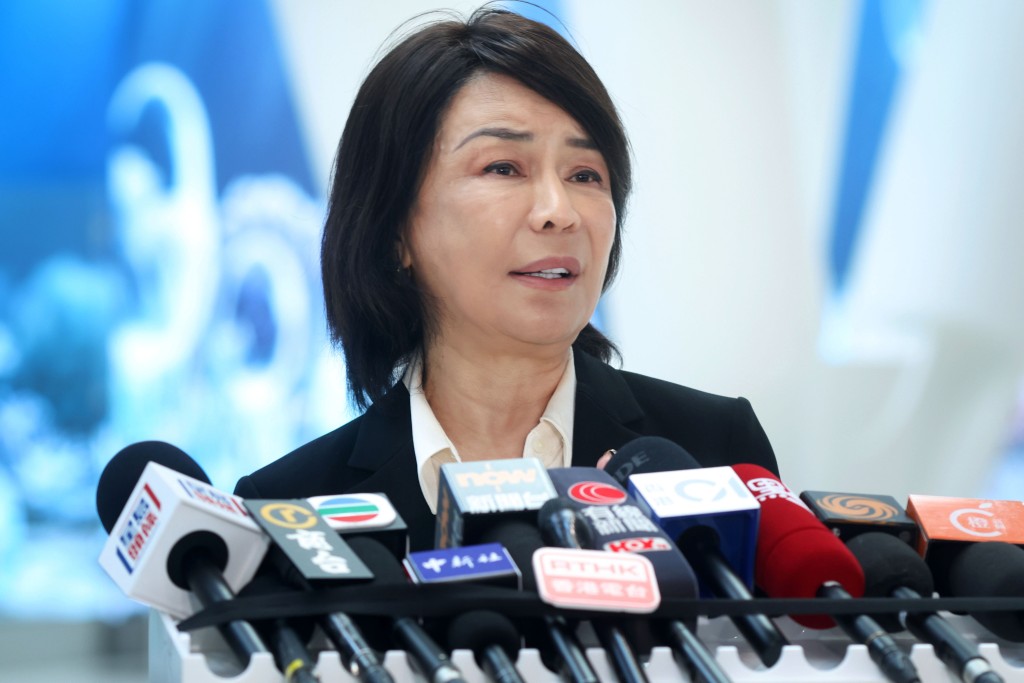
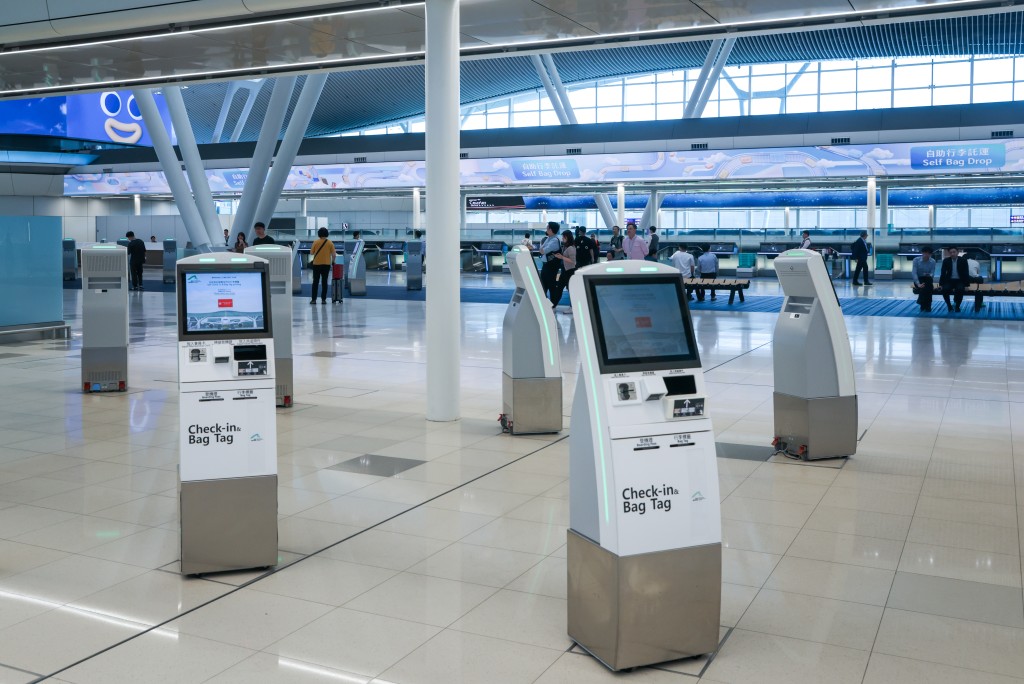
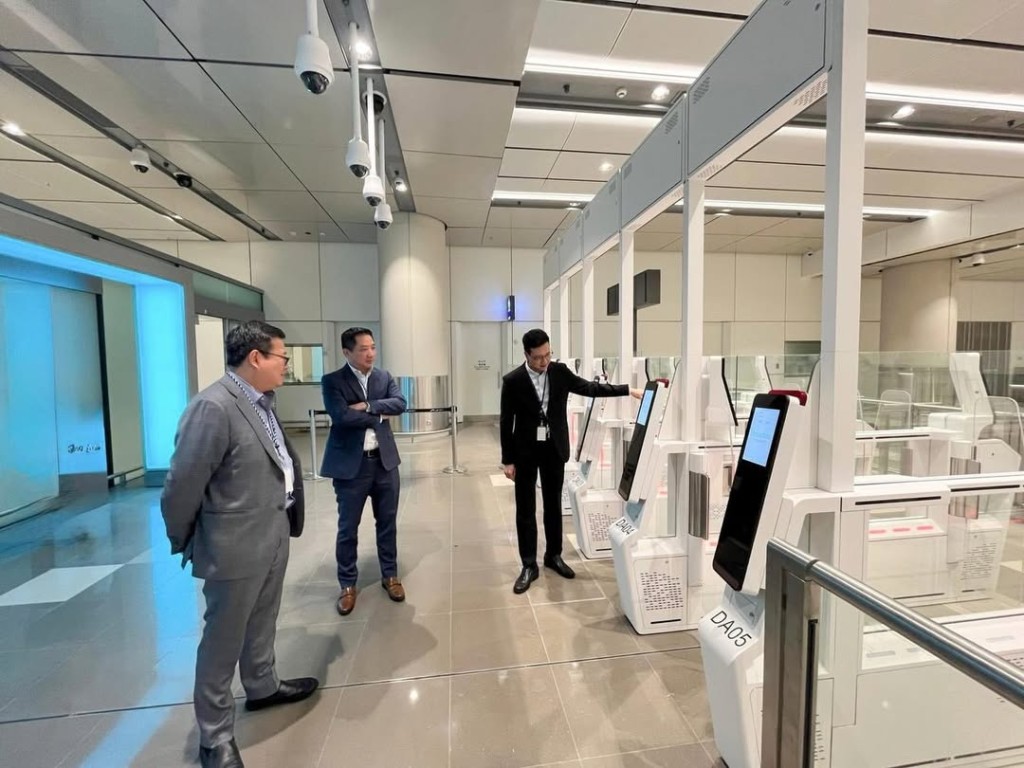
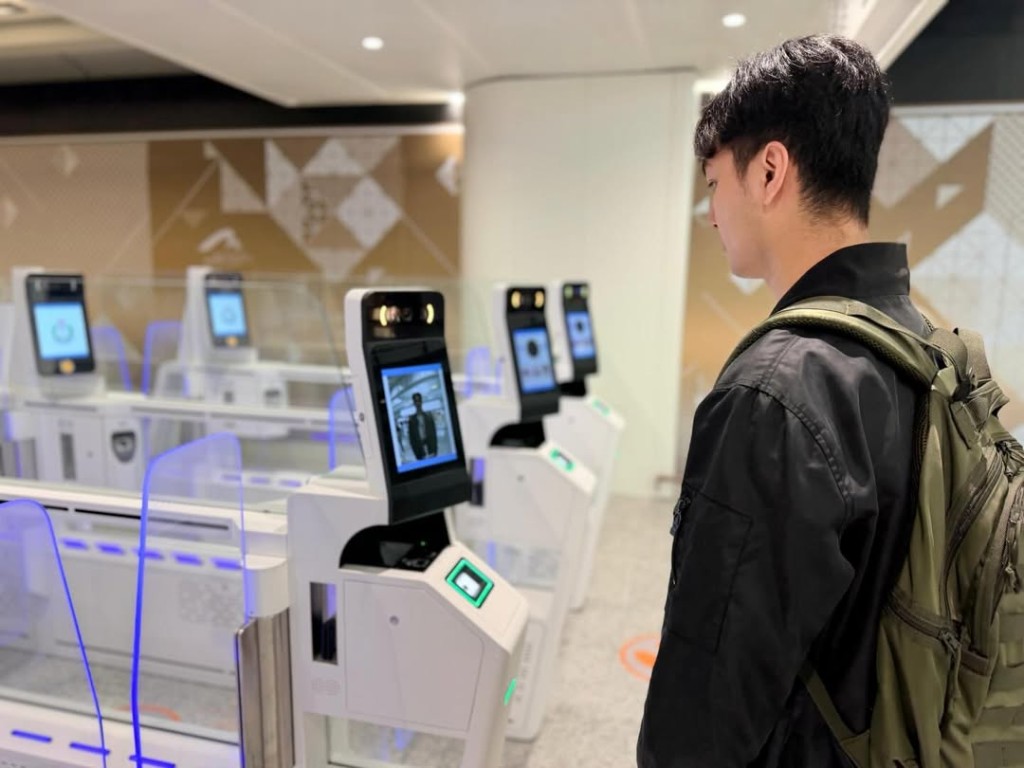
Vivian Cheung Kar-fay, chief executive of the Airport Authority Hong Kong, said that operations at Terminal 2 went smoothly this morning. She noted the new terminal emphasizes a strong tech‑focused design with elements popular among young people, including self‑check‑in systems that allow departing passengers to complete the entire process in just 45 seconds.
Fifteen airlines are scheduled to move into Terminal 2 in phases by mid-June, with six additional carriers set to begin operations there on Thursday.
+2
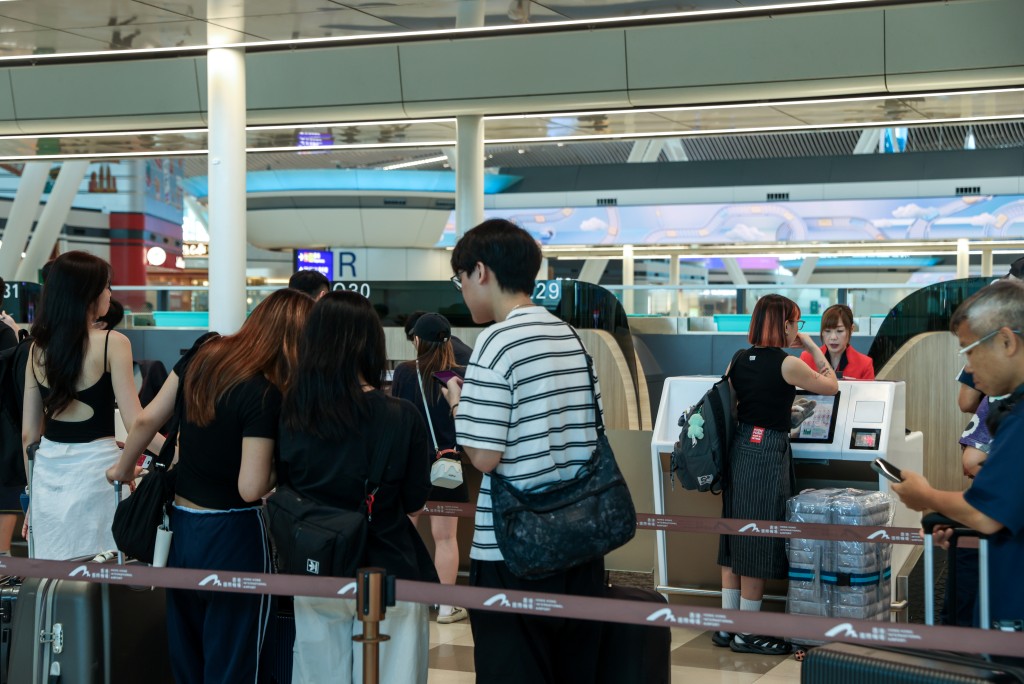
Feng, who saw her mother off on a flight to Shanghai around noon, said the check-in process took just three to five minutes with no waiting time. She described the new terminal—especially its bag-drop facility—as much more user-friendly than Terminal 1.
“You just lay your luggage directly on the belt. Before [in Terminal 1], you had to lift it up. It’s very convenient,” she said.
However, she noted that their taxi accidentally dropped them off at Terminal 1, forcing them to walk all the way to the new terminal.
To help passengers navigate, Cheung said extra staff will be deployed for these two days. She added that the terminal features abundant signage, ensuring that any travelers who take a wrong turn can easily find their way to the correct building.
The revamped terminal is designed to handle 30 million passengers annually and is expected to serve eight million passenger trips in its first year of operation. It features 108 airline check-in counters and eight check‑in aisles with 58 smart check‑in kiosks and 68 self‑bag‑drop counters.
After completing check-in and security procedures, travelers must still take the automated people mover (APM) to the boarding gates in Terminal 1 until Terminal 2’s own departure concourse and boarding gates are completed late next year.
Chow, who was traveling to Bangkok with his family, said it would be better if passengers checking in at Terminal 2 could board their flights directly there.
“It just makes everyone’s life a lot easier, especially for the elderly or people with younger kids like us,” he said.
Cheung explained that the phased opening is aligned with current passenger demand. She assured travelers that the journey to Terminal 1’s boarding area via the automated transit system is a “seamless” process.