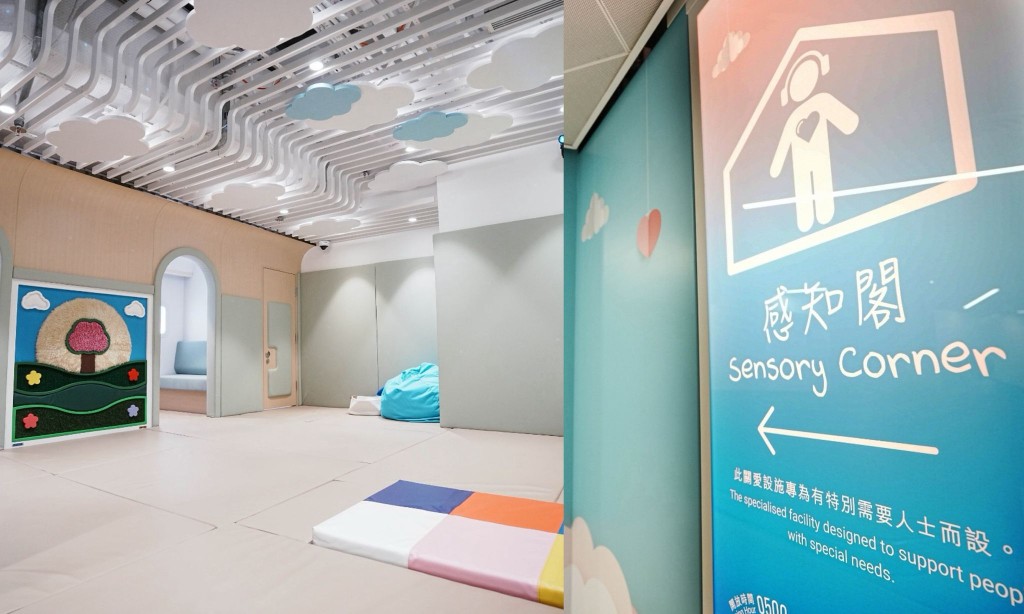
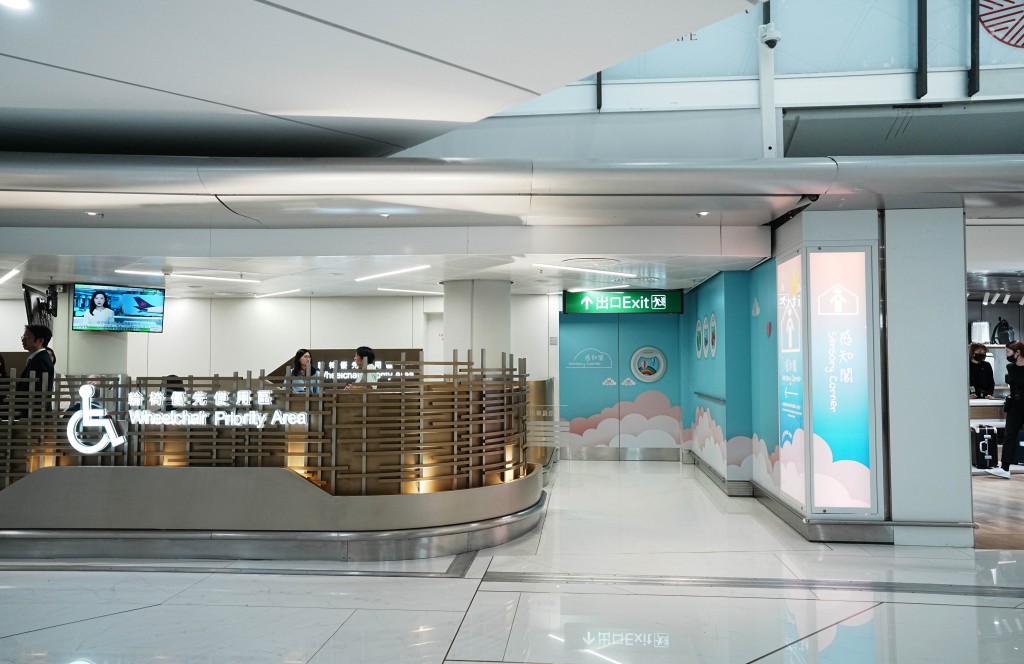
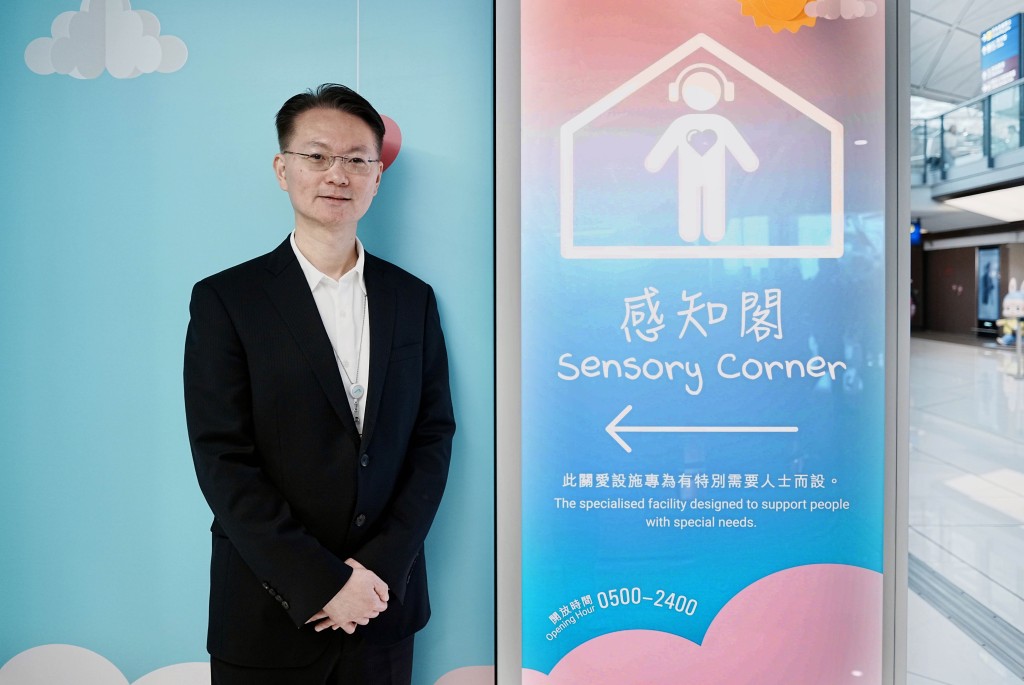
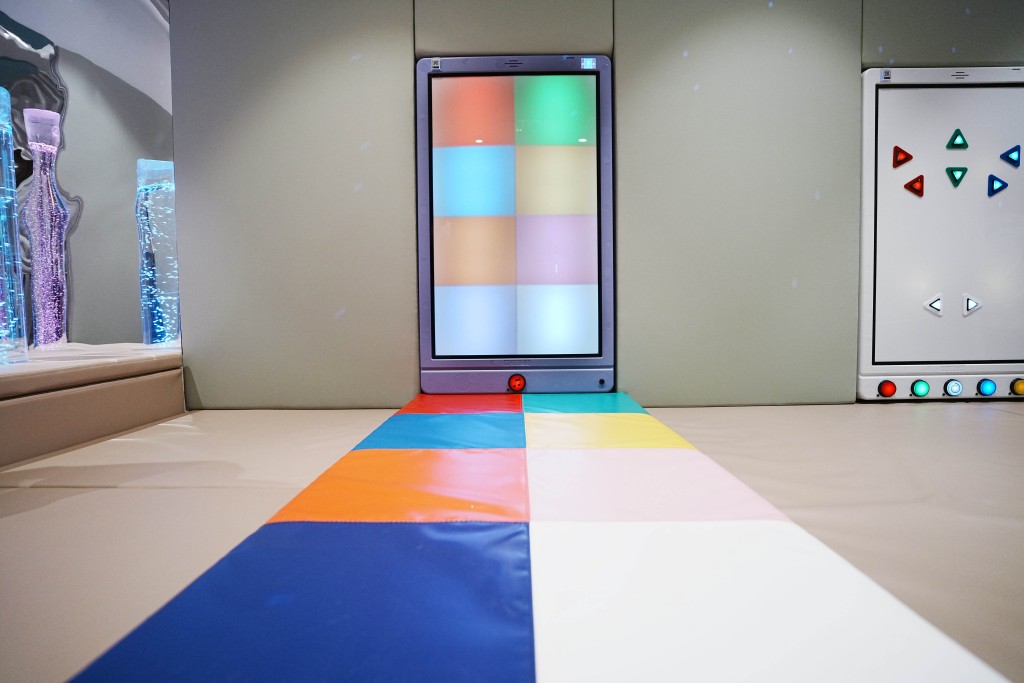
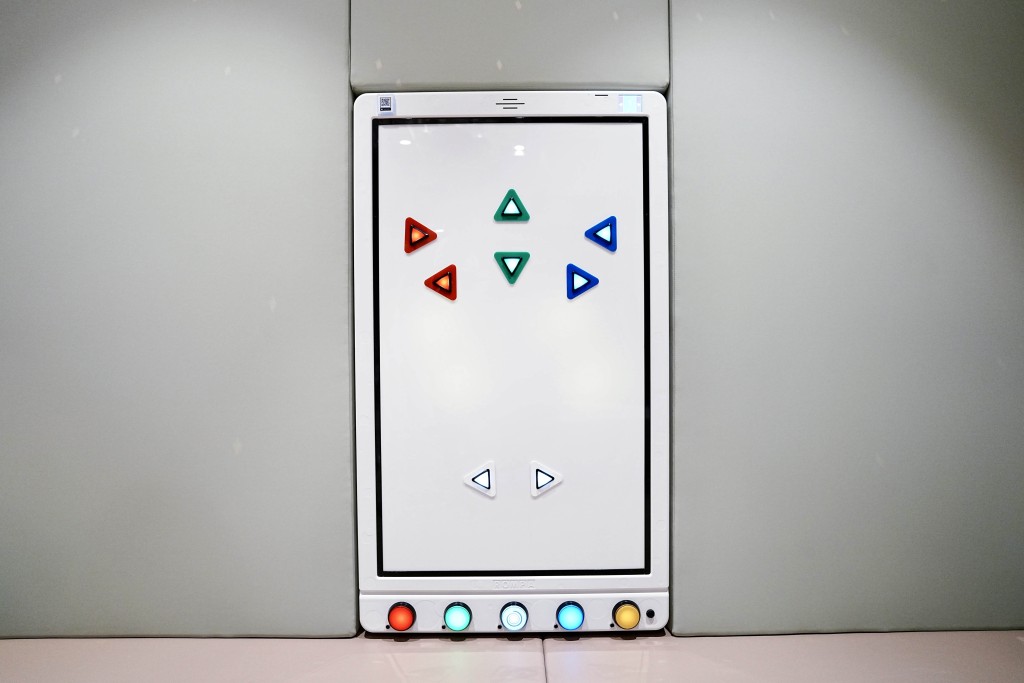
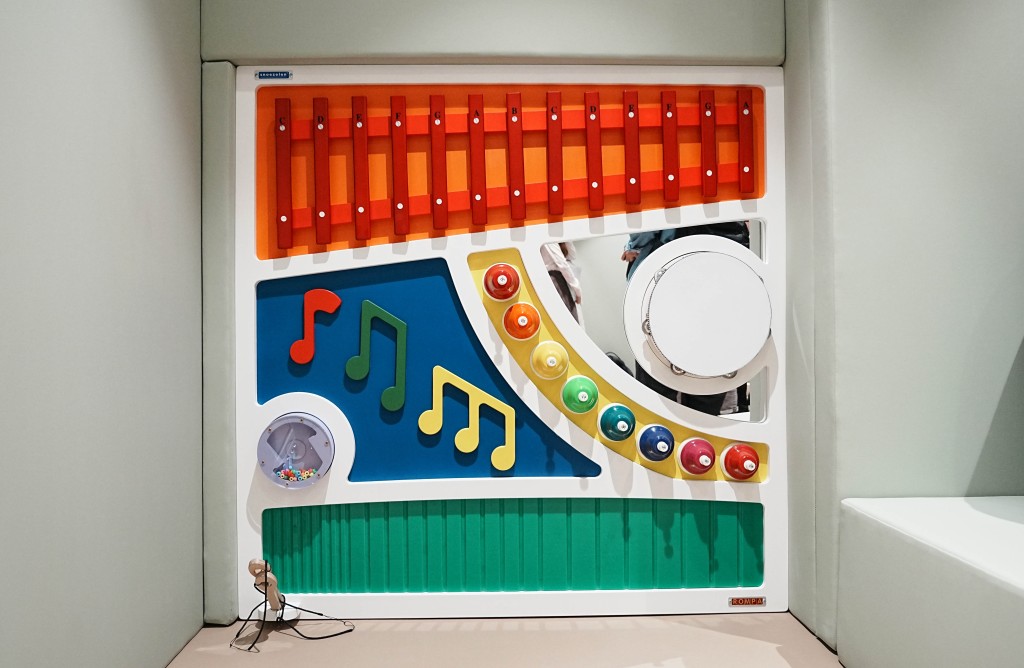
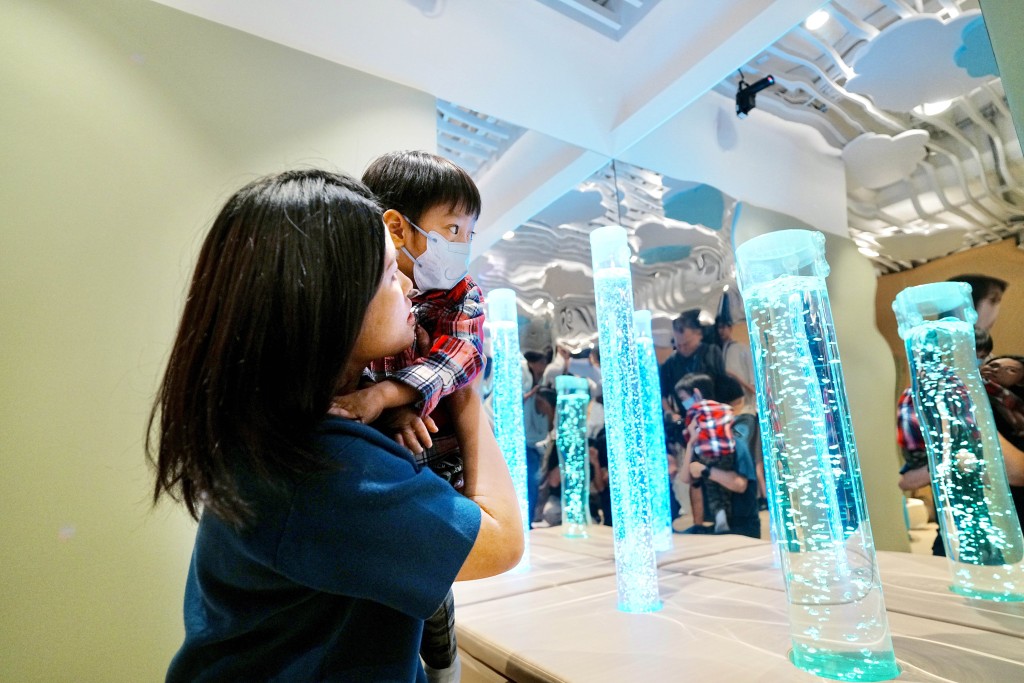
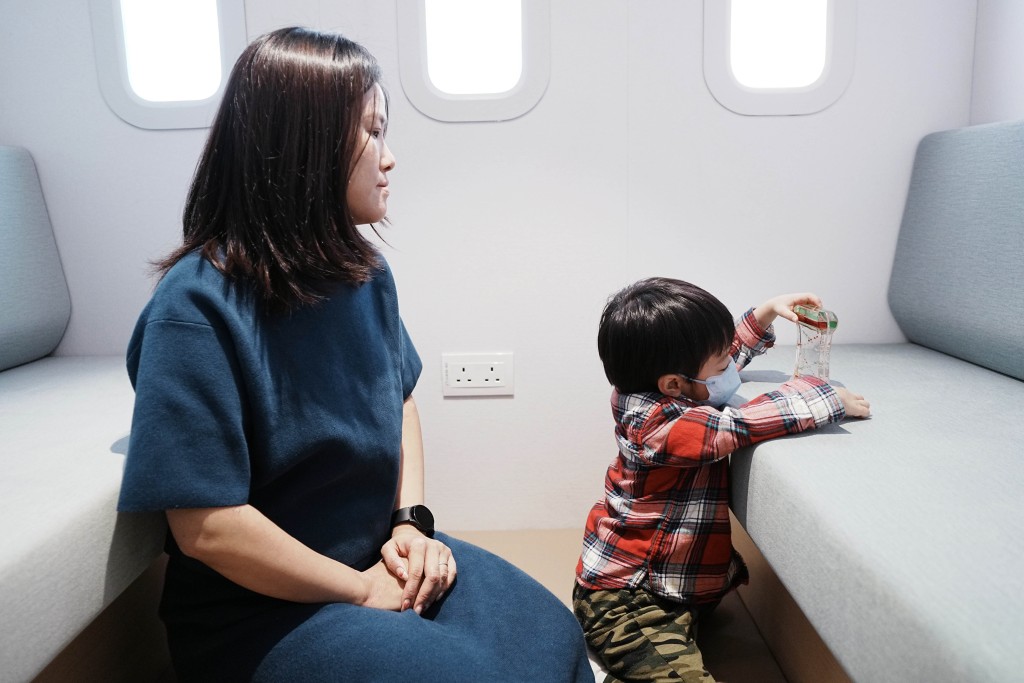
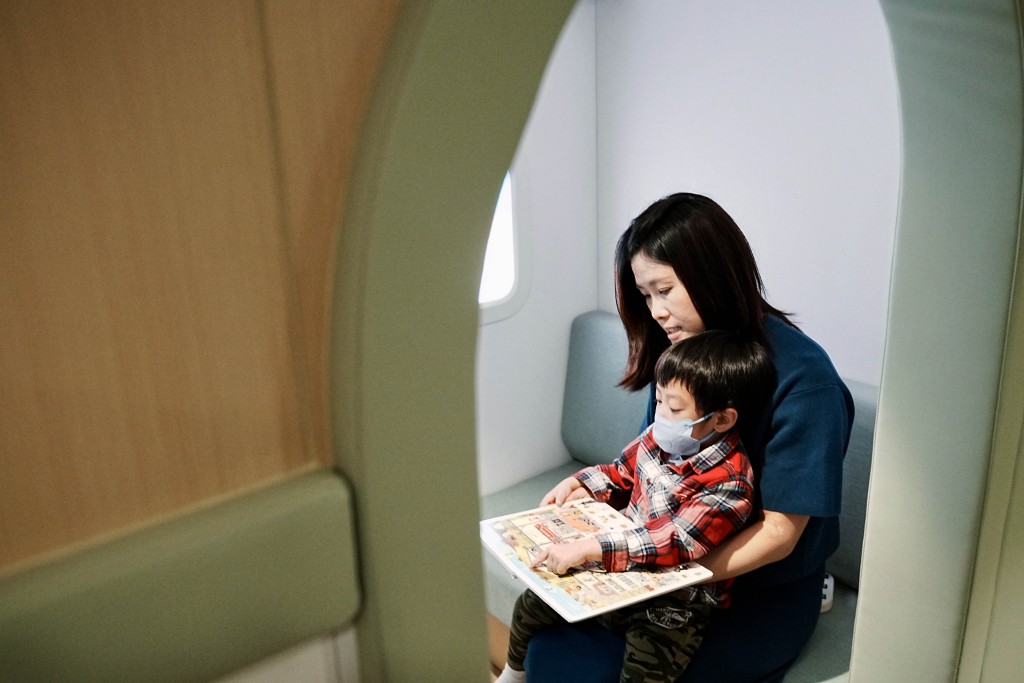
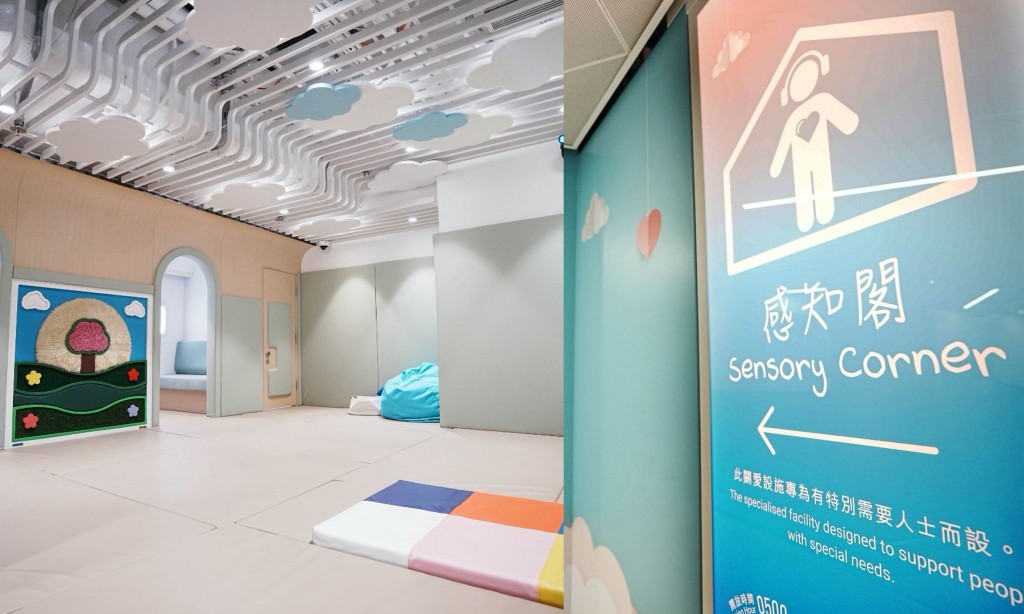
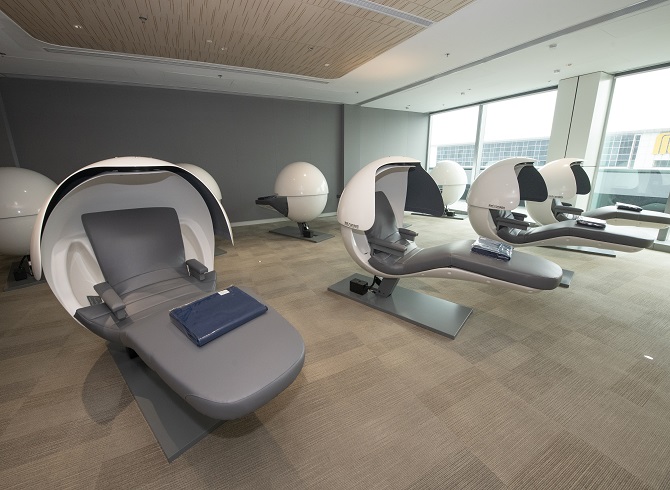
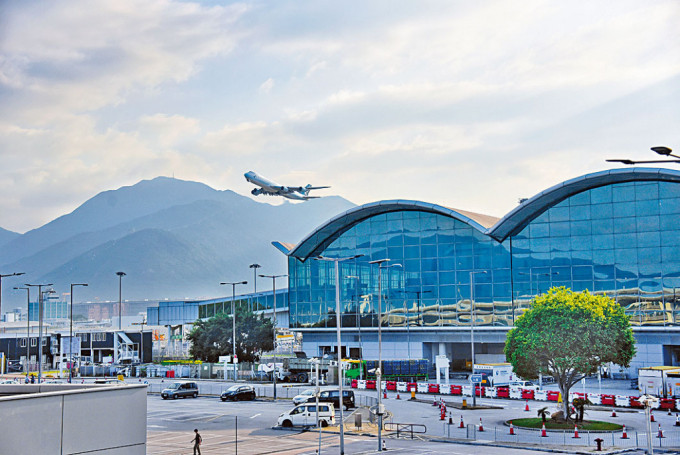
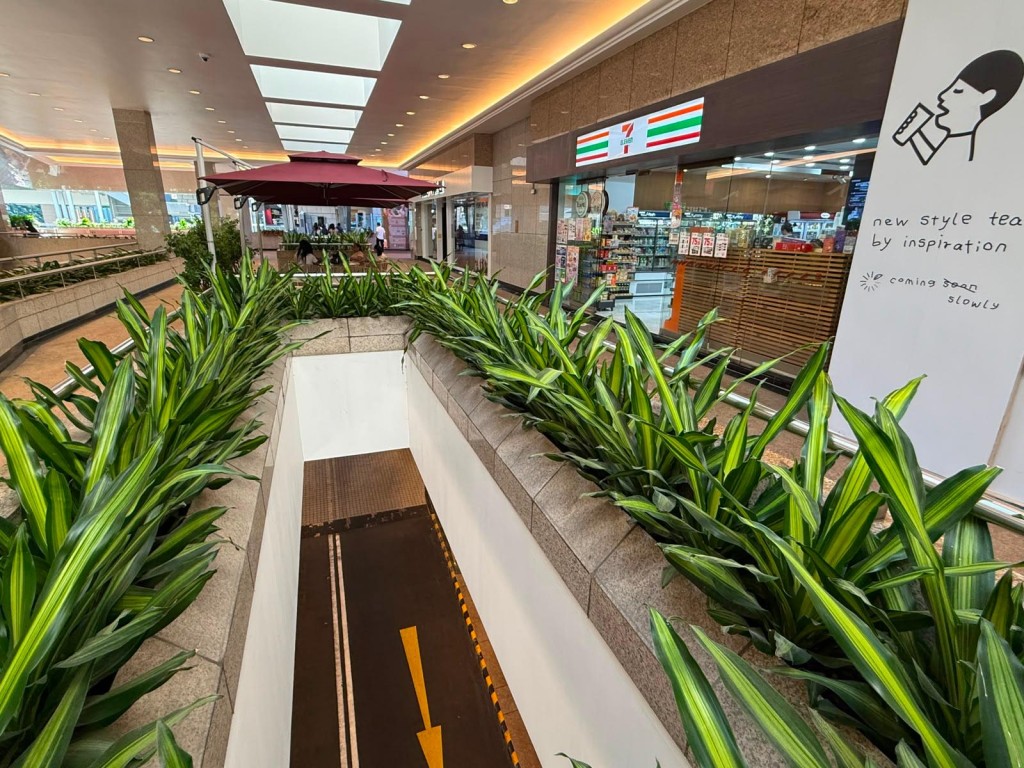
The Sensory Corner is located near Gate 10 in the restricted area of Terminal 1.
Hong Kong International Airport has opened the city’s first free multi-sensory facility designed to provide travelers with invisible disabilities a safe and calming space, helping them reduce travel-related stress and prepare for their journey in a busy airport environment.
ADVERTISEMENT
SCROLL TO CONTINUE WITH CONTENT
The 30-square-meter Sensory Corner, located in the restricted area of Terminal 1 on Departures Level 6 near Gate 10, opened on April 1 and operates daily from 5am to midnight. The facility can accommodate up to 12 users of any age, including those with autism, ADHD and other sensory needs, along with their caregivers.
Chris Au Young, the Airport Authority’s general manager of terminal and passenger experience, said families with members who have sensory needs often face challenges when traveling, including discomfort and heightened stress in unfamiliar, crowded or noisy environments, as well as during security and immigration procedures.
“Through design in aspects such as spatial layout, atmosphere creation, color selection and sound control, the Sensory Corner allows travelers with special needs to truly unwind amidst the bustle of the airport,” he said.
+1
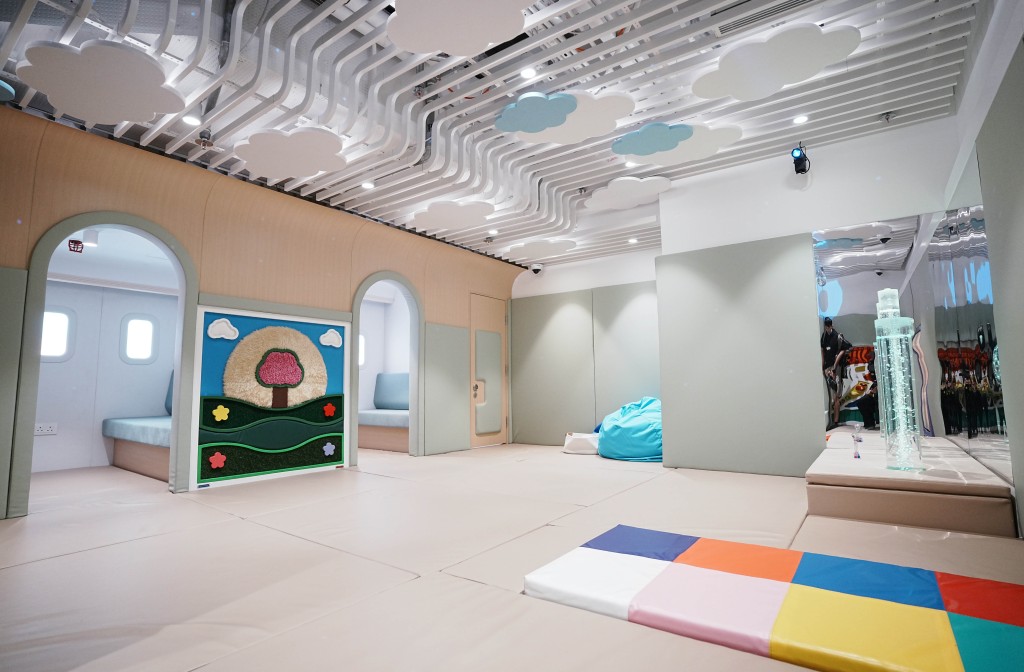
The facility is divided into two main zones: the “Sky Explorium” dynamic zone and the “Sky Cocoon” quiet zone.
The dynamic zone provides visual, auditory and tactile stimulation through features such as bubble columns, a color command wall panel, a Hip Hop activity board and a musical touch panel.
The quiet zone includes aircraft cabin simulations, allowing users to familiarize themselves with the in-flight environment and mentally prepare for their journey.
Au Young said the design drew on research from experts in the Netherlands and local insights from Heep Hong Society, which also provided specialized training to frontline staff to better support neurodivergent passengers.
Selina Tong, head of the occupational therapy department at Heep Hong Society, said the facility enables users to choose sensory tools that help regulate their emotions.
“The bubble columns, for instance, children love watching the rhythmic waves, listening to the flowing water, and even hugging the device to feel the gentle vibrations, as comfortable and relaxing as sitting in a massage chair,” she said.
She added that thick wall padding provides calming tactile input, while adjustable lighting helps users gradually readjust to the brighter and busier airport environment before boarding.
Shing Wai-in, mother of a four-year-old boy with autism spectrum disorder, said the facility addresses long-standing barriers to air travel. She said she had previously avoided flying with her son due to the overwhelming nature of crowded spaces, bright lights and unfamiliar procedures.
After using the Sensory Corner, however, she said she now feels confident planning a family trip to Singapore in July. She noted that the space offers a controlled and private environment for her son to regulate his emotions.
“In public, I often worried about the impact on others if he became agitated. Within this space, he can decompress, allowing me to focus on preparing him for boarding,” she said, adding that the adjustable lighting in the cabin simulation was particularly helpful.
Au Young said the airport will monitor usage of the facility and may introduce an appointment system if demand increases. A similar facility is planned for Terminal 2, which is set to open on May 27.
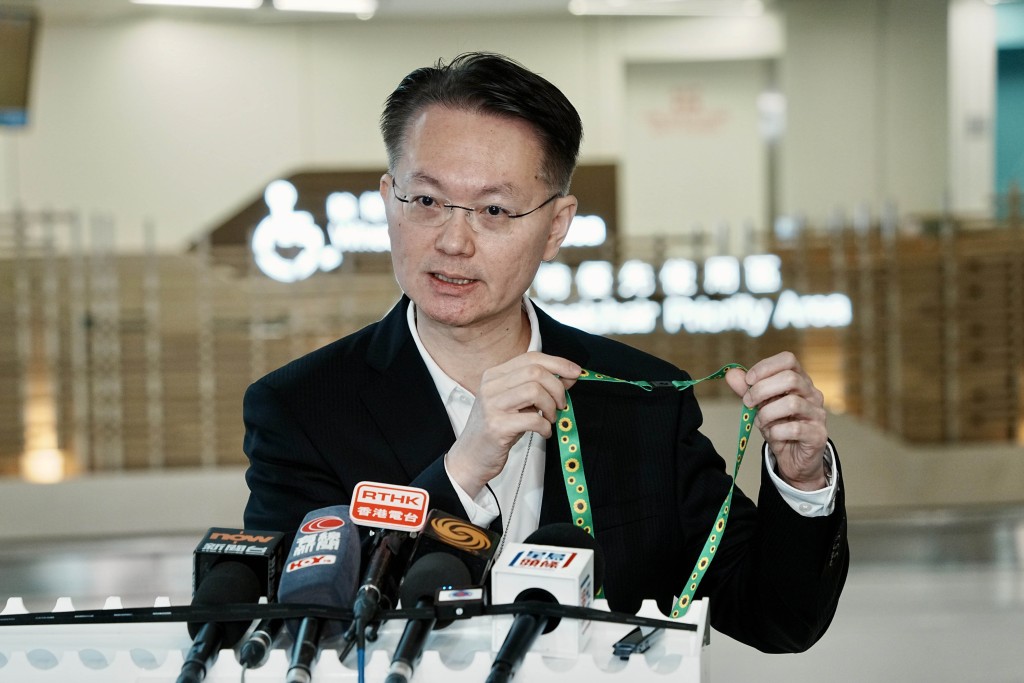
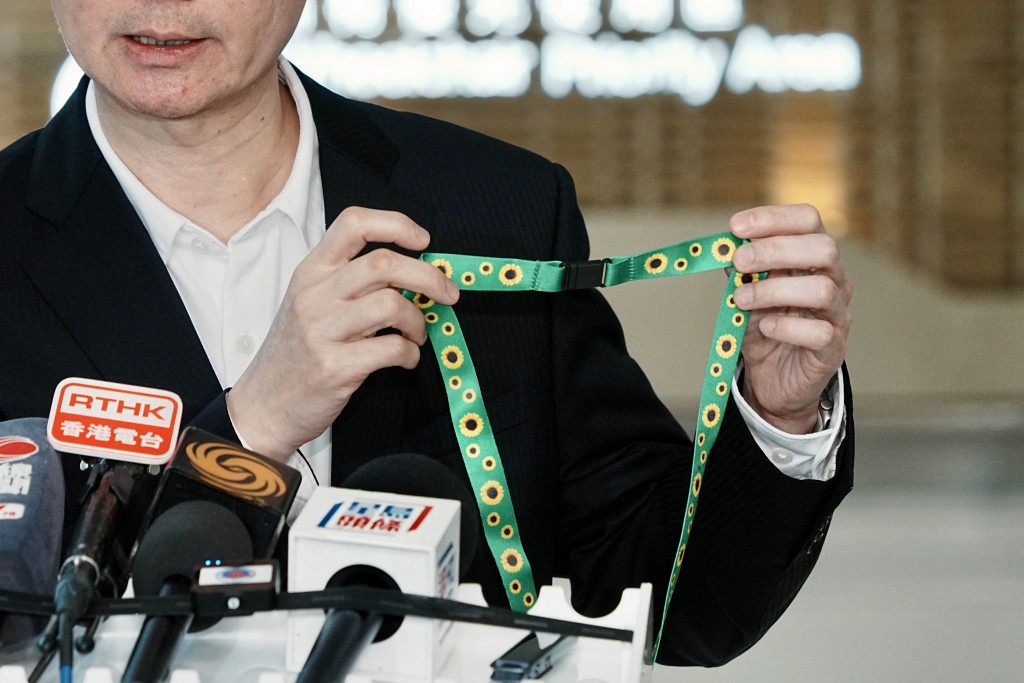
Separately, the airport plans to roll out the international Hidden Disabilities Sunflower program within the next two months. Travelers with hidden disabilities will be able to request a distinctive sunflower lanyard from airlines or airport customer service.
Immigration officers, airport staff and security personnel will provide discreet assistance at checkpoints and counters, and can direct travelers to the Sensory Corner upon request.