
Read More
A diabetes drug in the mainland has recently been sweeping social media for its easy weight-loss effects, but users are being warned that the costs may go beyond kilos to their health and legal standing.
ADVERTISEMENT
SCROLL TO CONTINUE WITH CONTENT
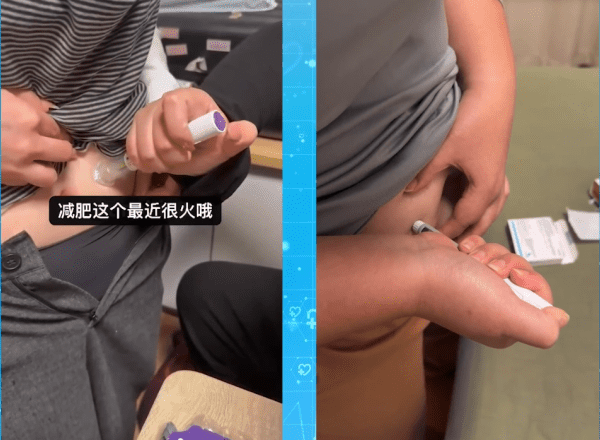
The drug, GLP-1 (glucagon-like peptide-1), was originally a hormone-based therapy developed to treat diabetes through appetite regulation, delayed gastric emptying, and blood sugar control.
With dieting being a lifelong mission for many, the drug went viral as users claimed quick weight-loss effects of 3 to 4 kilograms in a month without dieting.
Dubbed as "slimming pen," several even shared before-and-after photos of a 35-kilogram loss in four months following the medication.
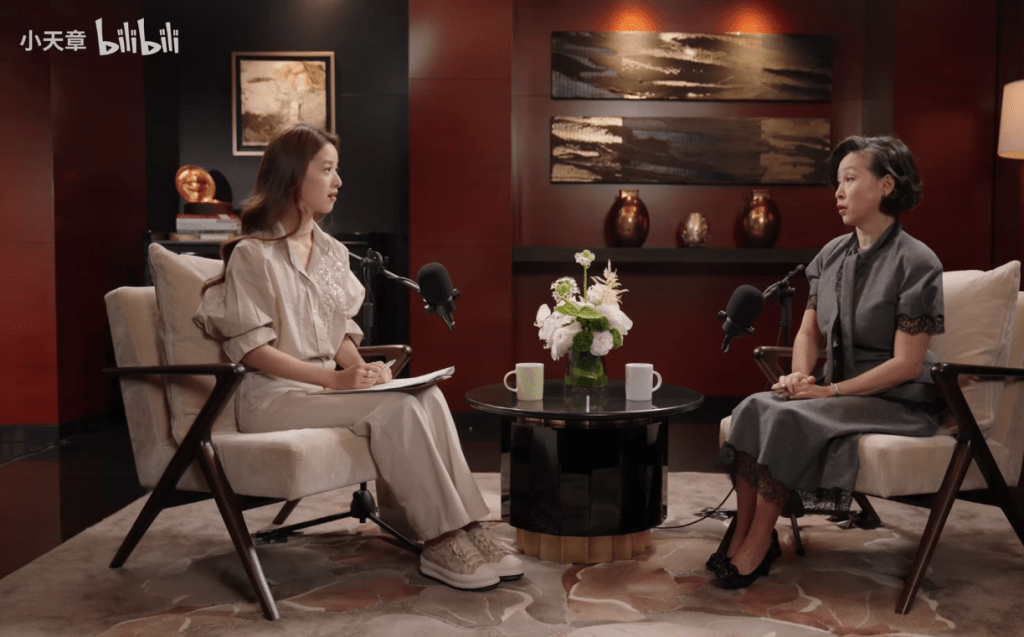
In an interview with Sing Tao Probe, the sister publication of The Standard, Ceci, a Hong Kong woman weighing 180 pounds, revealed struggles with body image since childhood.
Under her mother’s motto “happiness comes first,” she grew up snacking and drinking soda instead of water, never under stress over weight control.
However, Ceci realized that obesity not only harmed her health but also her career as she entered the workforce.
"My boss may not want to take someone who looks heavy to meet clients," she explained.
Reading online claims “losing 5 pounds in a month, 40 pounds in half a year without dieting”, Ceci was deeply convinced, visiting a Hong Kong private clinic for the medication.
However, she was told the drug requires a doctor's consultation and prescription, costing around HK$6,000 per injection, including consultation fees.
After further searching on mainland social platform Xiaohongshu, she found the same drug priced at just over 300 yuan (approximately HK$330)—roughly one-tenth of the Hong Kong price—which she admitted is tempting for a miracle.
To understand how Hongkongers can buy the drug on the mainland, a reporter crossed from Lo Wu Control Point to a public hospital in Guangzhou for a first-hand test.
Under mainland regulations, the issuing of a prescription requires a doctor's consultation, blood tests for lipids, uric acid, and thyroid function, as well as an assessment of the patient's overall health. Patients can then buy the related medication at a designated pharmacy after receiving the prescription.
The drug cost around 650 yuan, and the reporter received the tests and consultation on the same day and headed for the “slimming pen”.
Notably, a 2.4ml pen costs 324 yuan, far cheaper than Hong Kong, where the pharmacist strictly checked the prescription, including the prescribing doctor's name.
As the prescription authorized only one pen, the pharmacist refused to sell three and said additional prescriptions would be required.
In response, Hong Kong registered pharmacist So Yiu-wa explained that the “slimming pen” contains a GLP-1 agonist, a diabetes drug injected into the abdomen to create a feeling of fullness, thus reducing food intake and preventing blood sugar spikes.
So stressed that the drug is a prescription drug, requiring a doctor to assess body mass index (BMI) and overall health, where the risk of thyroid issues also needs to be taken into account.
He further warned against buying non-registered medicine from unknown sources, as they lack a guarantee that the drug was transported under continuous temperature control or has not spoiled.
Regarding the legality of bringing the “slimming pens” back from the mainland, Hong Kong Customs stated that the import and export of pharmaceutical products and drugs is strictly controlled.
Considering that "slimming pens" are among regulated drugs, like erectile dysfunction drugs, travelers entering Hong Kong carrying any controlled drug for personal use must present a written permit from the Department of Health.
They should also go through the red channel to declare the related items, where a valid doctor's prescription should also be carried for clearance, the Customs added.
The department warned violators might risk prosecution and confiscation of the drugs.
The Department of Health emphasized that injectable medicines for the treatment of obesity, including liraglutide, semaglutide, and tirzepatide, are all Part 1 poisons and prescription drugs that can only be sold at registered pharmacies under the supervision of pharmacists upon a doctor’s prescription.
Anyone illegally selling, through any channel, including the internet, or possessing unregistered pharmaceutical products, Part 1 poisons, or selling prescription drugs without a prescription, faces a maximum fine of HK$100,000 and two years in prison upon conviction.