Read More




HK-born adult star Erena So's ads on offshore gambling site removed
24-06-2026 18:36 HKT
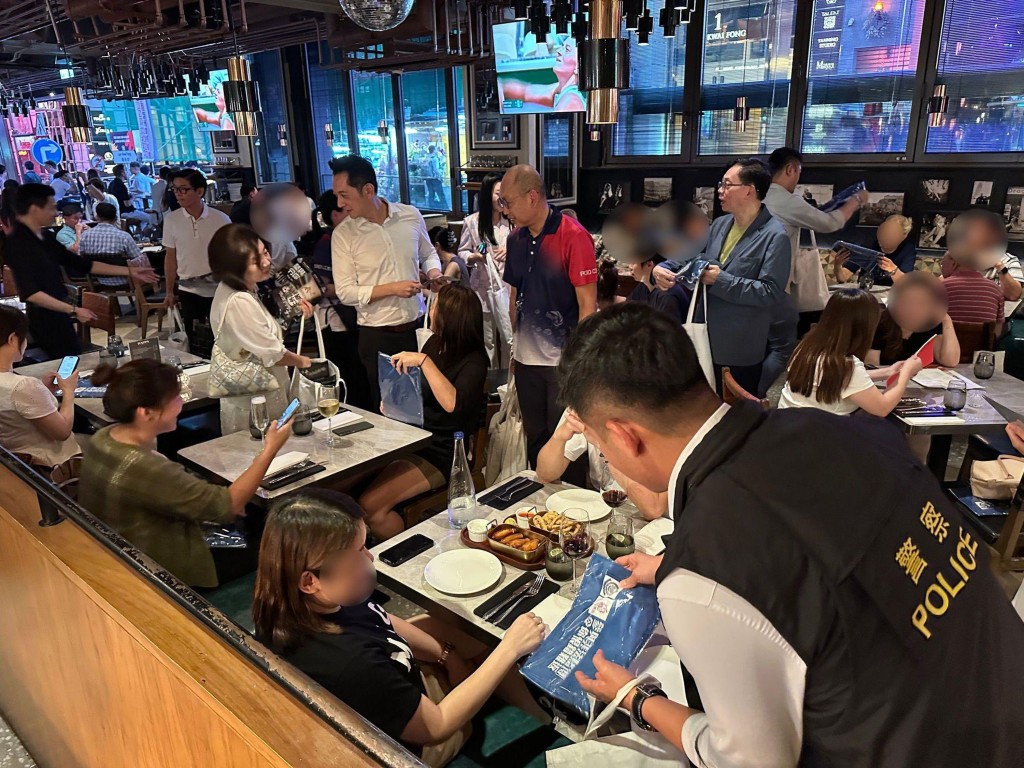

Police launch anti-illegal gambling operation ahead of World Cup
08-06-2026 04:25 HKT









Unregulated online gambling has ballooned to a staggering US$5.9 trillion (HK$46.02 trillion) in global wagering value in 2025, according to a new report by Gaming Compliance International (GCI).
This makes the sector the world’s third-largest economy, and represents the largest form of cybercrime worldwide.
The report — GCI Online Gaming 2025: Global — finds that the average online gaming marketplace is now overwhelmingly dominated by unregulated operators, with 78 percent of the market unregulated. The majority of consumer-generated revenue is now flowing outside of licensed, taxed, and controlled environments, the report stated.
Illicit platforms are mimicking traditional gambling mechanics while eluding regulatory classification. This shift is fundamentally reshaping how consumers engage with online betting and gaming from 2025 onwards.
According to GCI, online gambling marketplaces are now splitting into three sectors: regulated (licensed and compliant), unregulated (unlicensed but actively operating), and unacknowledged (gambling-like products not formally classified as such). As these sectors converge, commercial revenue for regulated operators is declining, governments are facing growing tax losses, and consumer risks are escalating.
"At US$5.9 trillion in wagering value, unregulated online gambling is one of the largest economic systems in the world, operating largely outside regulatory oversight," said Matt Holt, CEO of GCI. "Regulators are not facing a marginal challenge, but a dominant one — the majority of activity is occurring beyond the regulated perimeter. Our role is to provide full transparency across the total marketplace, enabling regulators to act with confidence."
GCI president Ismail Vali added that the audience does not distinguish between the three-sector gaming marketplace. “In a world where you can bet on anything, consumers are increasingly betting on everything — this is the gamification of everything. If you cannot see the entire marketplace — regulated, unregulated, and unacknowledged — you cannot control it. This is the shift. This is the problem we are helping to solve at GCI.”