Read More




Night Recap - May 15, 2026
19 hours ago

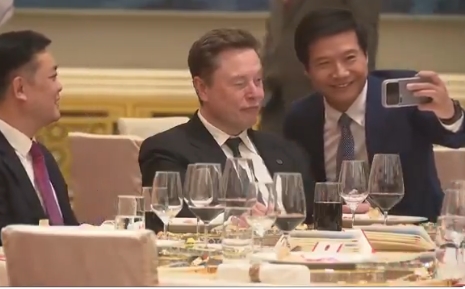
Xiaomi CEO Lei Jun takes selfie with Musk goes viral online
14-05-2026 23:39 HKT


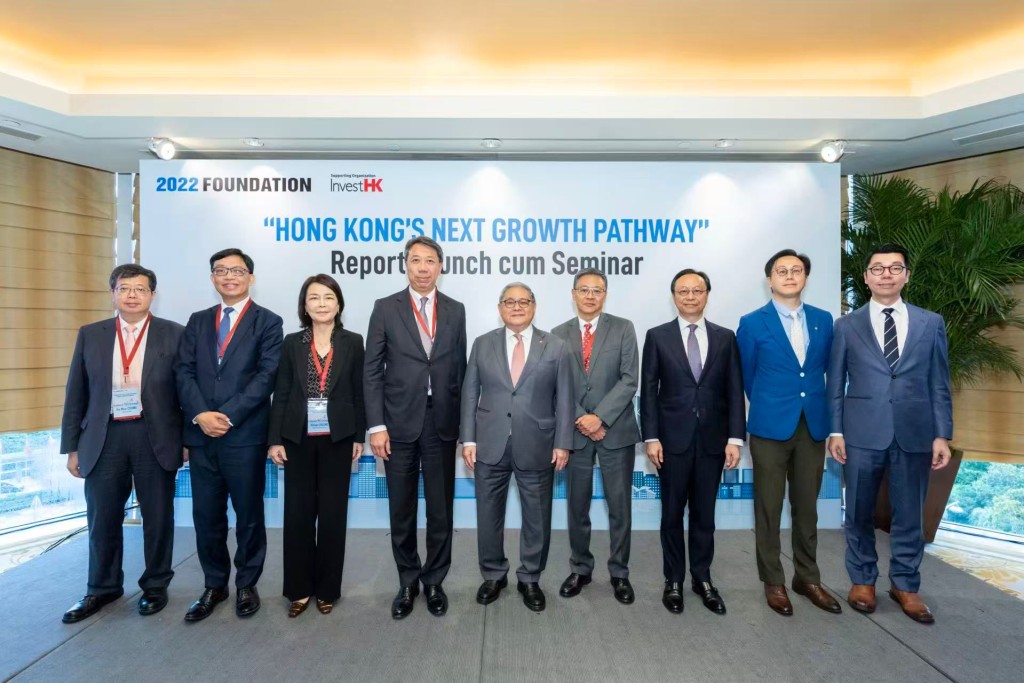
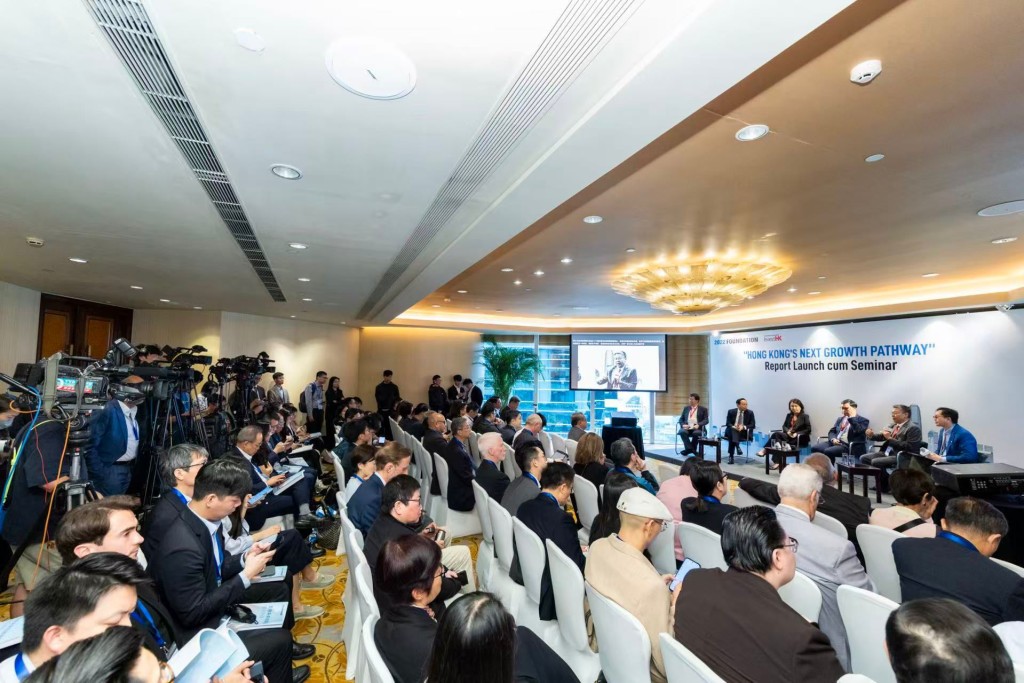
Hong Kong is standing at a critical economic crossroads and must evolve beyond its traditional role as a global middleman to become a "super value-adder" for businesses expanding internationally.
This is the central conclusion of a comprehensive new blueprint, backed by some of the city’s largest corporations, which outlines how the financial hub can adapt to shifting global supply chains and a rapidly changing geopolitical landscape.
The independent study, titled "Hong Kong’s Next Growth Pathway," was released today by the non-profit 2022 Foundation.
Sponsored by a coalition of major corporate players—including the Airport Authority, leading banks like HSBC and Standard Chartered, and prominent property developers—the report explores how Hong Kong can capitalize on a new era of global trade.
With rising tariffs and policy uncertainties fracturing traditional trade routes, researchers note that many tech-savvy Chinese enterprises are aggressively expanding overseas.
Project leaders stress that this globalization of Chinese manufacturing presents a golden opportunity for Hong Kong, but only if the city upgrades its capabilities and takes on a more significant role than simple intermediation.
To achieve this transformation, the report identifies several core strategies for the city's economic future.
Chief among them is the need to heavily digitalize existing industries by integrating technologies like artificial intelligence and blockchain into trade, logistics, and finance.
The researchers propose creating a comprehensive, one-stop professional services platform specifically designed to help smaller businesses navigate the complexities of international expansion.
Additionally, the study urges local businesses to look beyond traditional Western markets and forge stronger ties with the rapidly growing Global South.
Because Hong Kong lacks the geographical space for mass manufacturing, the blueprint suggests the city focus its energy on the most profitable ends of the regional supply chain.
This involves dominating upstream activities such as research and development, design, and prototyping, alongside downstream operations like global marketing and intellectual property trading.
To make this a reality, the authors emphasize that authorities must systematically remove barriers to ensure a smoother flow of talent, data, and capital between Hong Kong and neighboring mainland cities in the Greater Bay Area.
Furthermore, the study calls for a strategic shift in how Hong Kong utilizes its world-class financial sector.
Rather than existing in a silo, the financial market should be intentionally directed to support real-world economic transformations, such as the green energy transition and advanced manufacturing.
The researchers suggest developing specialized financial instruments and new listing frameworks tailored specifically for companies focused on innovation and sustainability.
Crucially, the report addresses the delicate balance of integrating with the national economy while maintaining the city's distinct global identity. The authors argue that aligning with national development goals should not come at the expense of the institutional pillars that make the city uniquely valuable under the "One Country, Two Systems" framework.
Retaining advantages like a low-tax regime, unrestricted capital flows, and an independent judiciary is viewed as essential for Hong Kong to help the broader nation achieve technological self-reliance and internationalize its currency.
Ultimately, the research team envisions a future where Hong Kong is a fully integrated, two-way bridge. Rather than simply managing the flow of goods into the mainland, the city must become an indispensable, value-adding partner for Chinese investments flowing outward.
By coordinating clear policies and embracing digital innovation, the report's authors are confident that Hong Kong can navigate current global uncertainties and emerge as a more resilient, diversified, and inclusive world city.