Read More
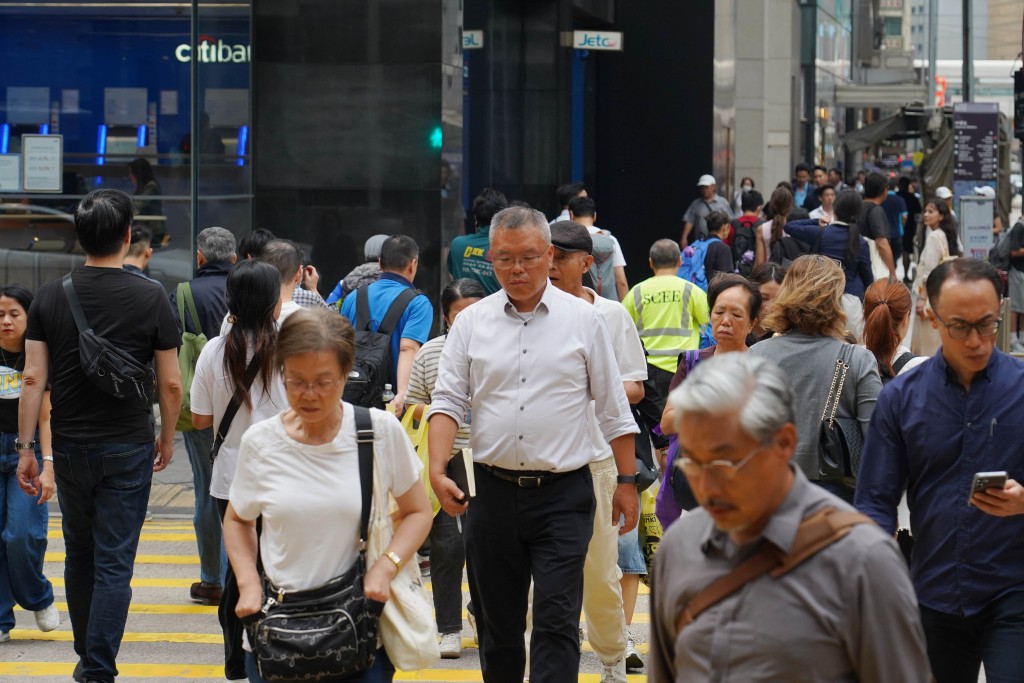
Just 23 percent of Hong Kong residents are willing to have children, a new survey has found, as the city’s fertility rate falls to a historic low and younger generations grow increasingly reluctant to start families.
ADVERTISEMENT
SCROLL TO CONTINUE WITH CONTENT
The Hong Kong Women Development Association said the city recorded around 31,000 registered births in 2025, with the total fertility rate dropping to 0.8, the lowest on record.
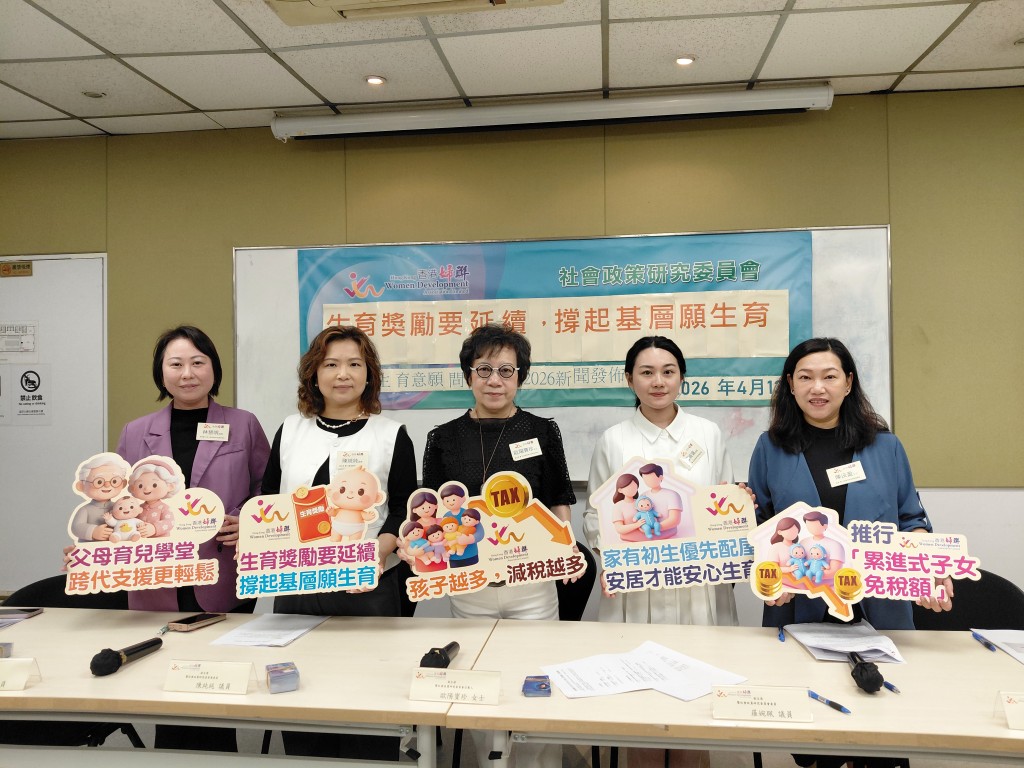
Findings from its 2026 survey on residents’ childbearing intentions showed that 77 percent of respondents said they did not intend to have children.
Economic pressure was identified as the biggest barrier, cited by more than 98 percent of respondents, followed by housing shortages at 92 percent and heavy work commitments at 80 percent.
The association said these three factors remain deeply entrenched and continue to form structural barriers that have yet to be overcome.
While there had been a modest rise in fertility intentions over the past two years following the introduction of pro-natalist measures, the latest survey showed a reversal of that trend, with willingness falling by 5.1 percentage points from last year.
Among different age groups, those aged between 30 and 39 showed the highest willingness to have children at 33 percent, largely unchanged from last year. In contrast, the figure for younger respondents aged 19 to 29 dropped sharply from about 23 percent to 16 percent.
The report said younger people face multiple pressures at the start of their careers, including job instability and housing difficulties, and are less responsive to existing government policies, contributing to their growing hesitation toward parenthood.
Housing remains a key concern. Although respondents viewed priority housing schemes for families with newborns as relatively effective, scoring 6.37 out of 10 for subsidized home ownership and 6.24 for public housing allocation, the association noted that such measures mainly benefit those eligible for subsidized schemes.
For many middle-class families struggling in the private housing market, the policies offer little direct relief, which may explain why housing continues to be cited as a major constraint.
Commenting on the findings, vice chairwoman Au Yeung Po-chun said the existing HK$20,000 newborn subsidy has provided tangible encouragement and should be retained.
She suggested the government consider enhancing support measures, including increasing subsidies for second or subsequent children and introducing a progressive tax allowance system in which benefits rise with each additional child.
The association also called for further housing support, such as offering stamp duty concessions for families with children purchasing private homes, in a bid to ease financial burdens and encourage higher birth rates.