Read More
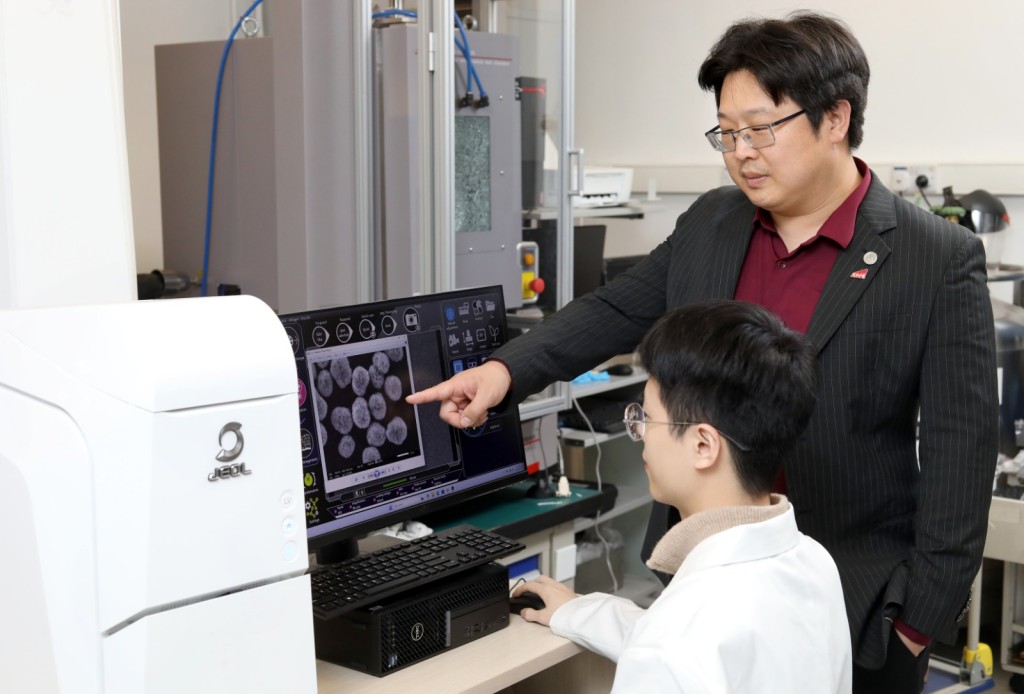
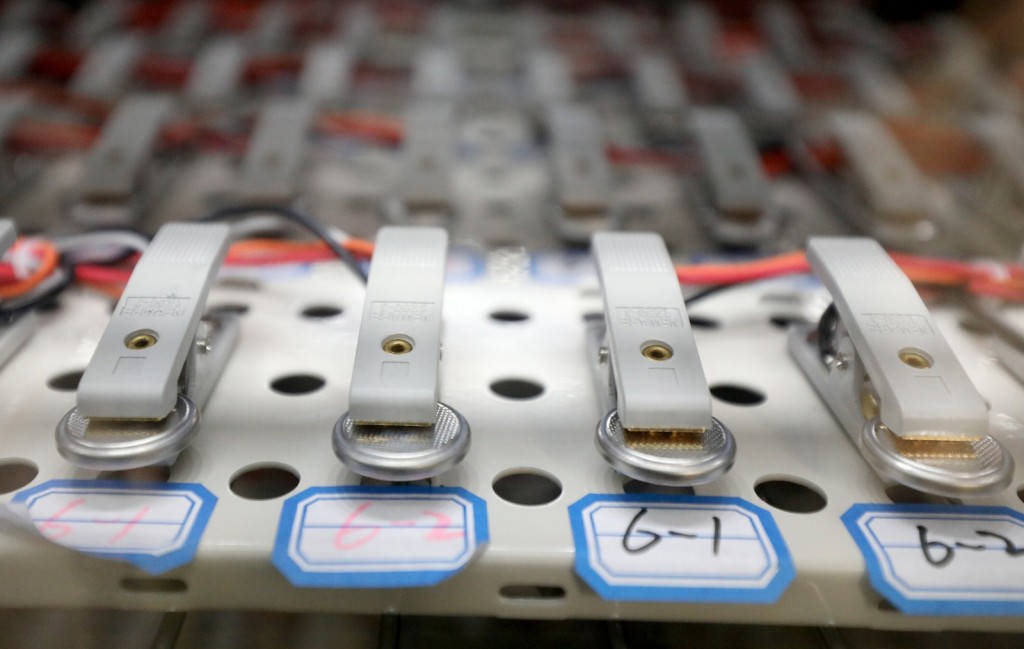
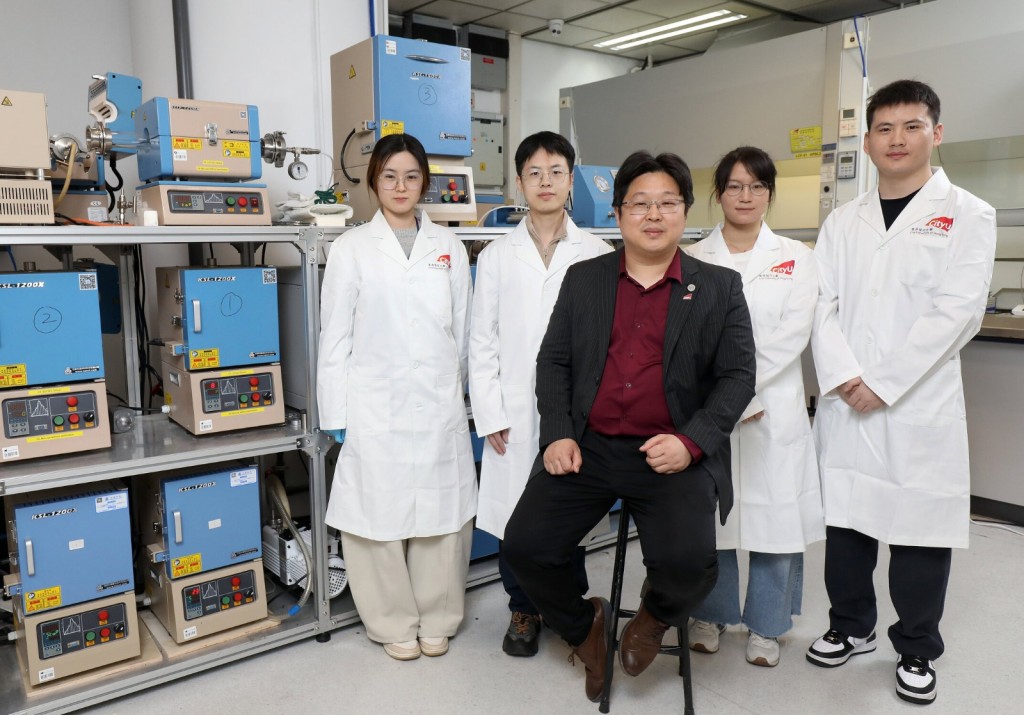
A City University of Hong Kong (CityUHK) research team has won government funding to develop advanced lithium-rich cathode materials that promise higher energy density, longer lifespan, and lower costs for lithium-ion batteries powering electric vehicles and renewable energy storage.
ADVERTISEMENT
SCROLL TO CONTINUE WITH CONTENT
A research team from City University of Hong Kong has received funding through the government’s RAISe+ Scheme to overcome the persistent voltage decay problem in lithium-rich layered oxide cathode materials, a breakthrough that could significantly improve lithium-ion batteries used in electric vehicles and renewable energy systems.
Led by Professor Liu Qi from the Department of Physics, the project titled “Breakthrough Cathode Materials for Next-generation Lithium-ion Batteries” aims to turn laboratory innovations into industrial production within three years.
Lithium-ion batteries remain central to the global shift toward clean energy, supporting everything from smartphones and electric vehicles to large-scale solar storage.
The global lithium-ion battery market is expected to reach US$150 billion by 2030, with cathode materials accounting for more than US$60 billion of that value.
Lithium-rich layered oxides stand out among cathode materials for their high capacity, high voltage, and lower cost due to abundant raw materials, positioning them as a leading candidate for next-generation batteries.
However, voltage and capacity decay have long prevented their widespread commercial use.
The team’s approach stabilizes the material’s honeycomb structure by adding transition metal ions, which reduces oxygen release, cation migration, and structural breakdown, effectively tackling voltage decay.
They also apply surface engineering, including carbon coating during production, to protect against surface degradation, metal dissolution, and electrolyte corrosion, improving long-term stability.
These innovations, previously published in Nature Energy in 2023, form the foundation for two product lines: enhanced lithium-rich materials for conventional lithium-ion batteries that could boost energy density by over 30 percent while cutting costs, and versions tailored for solid-state batteries.
The team has already set up SuFang New Energy Technology Co., Ltd. and established a 100-ton annual production line for high-performance lithium-rich materials.
With RAISe+ support, they plan to scale up to a 1,000-ton production facility in Southeast Asia or Korea over the next three years, creating around 100 new jobs in research, manufacturing, and engineering.