





Read More


Night Recap - July 26, 2026
2 hours ago


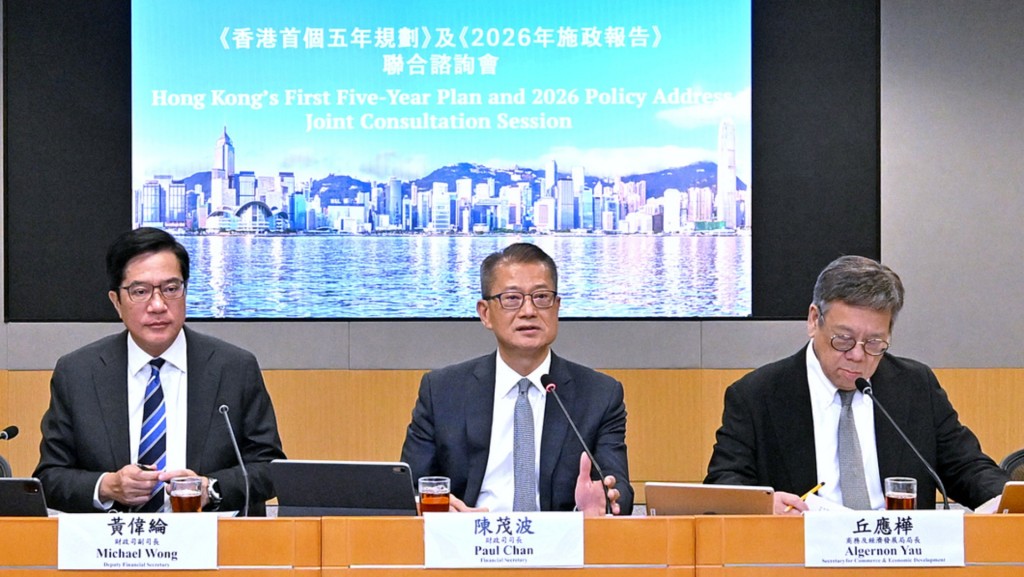
Singapore mulls tax cuts as top finance professionals return to Hong Kong
25-07-2026 21:22 HKT
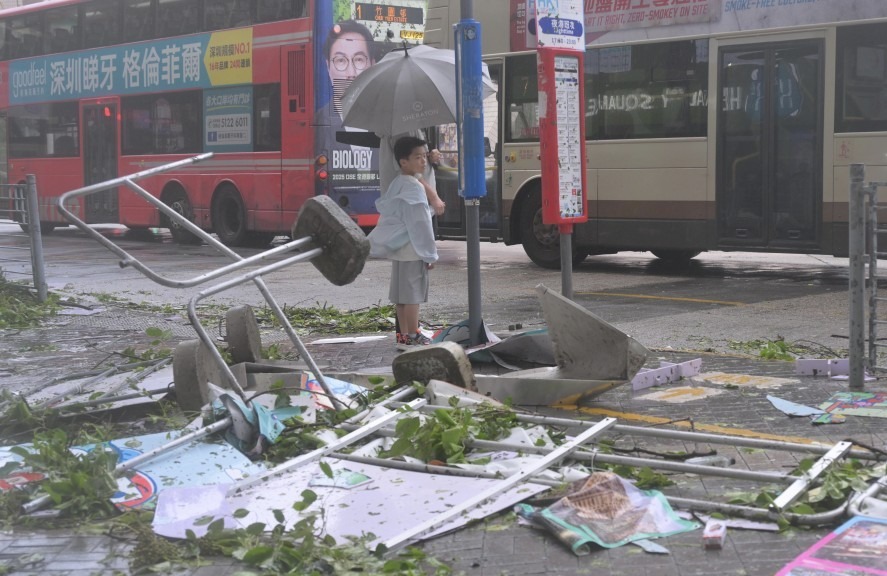
HKO to issue T8 signal at 10.10pm as Typhoon Noul threatens
25-07-2026 19:42 HKT


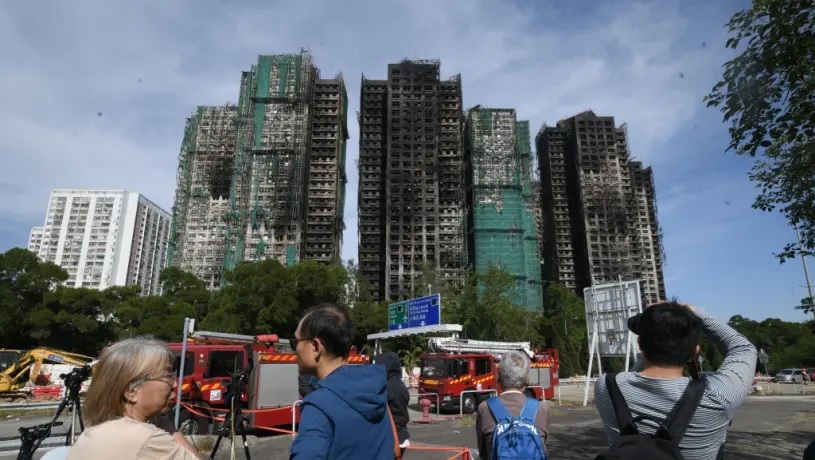
As Hong Kong continues to mobilize support for survivors of the catastrophic five-alarm fire at Wang Fuk Court in Tai Po, online allegations have emerged claiming that some individuals have been attempting to fraudulently change their bank-registered addresses to the affected estate in hopes of securing disaster relief.
A social media post this week alleged that “many people deliberately went to the bank counter to change their correspondence address to Wang Fuk Court,” suggesting they intended to “pretend to be victims to get subsidies.”
Screenshots of a purported exchange with a bank employee showed the employee reacting angrily, saying in English translation: “So many people are changing their residential address to Wang Fuk Court… they want to get aid… ridiculous.”
When the poster asked whether banks really allow address changes without proof of residence, the employee replied: “Yes… as long as the customer comes in person, or they can even change it online.”
The employee added that all accounts updated to Wang Fuk Court after the fire were being flagged internally as “fault accounts” for further review.
According to the poster, the conversation took place on November 28—just two days after the deadly blaze—raising suspicions that some individuals attempted early to exploit the tragedy.
“Hopefully the banks have already detected something suspicious and have mechanisms to stop scammers,” the poster wrote, urging the government to verify that assistance recipients are “genuine Wang Fuk Court victims.”
In response to inquiries from Sing Tao Headline, The Standard’s sister publication, HSBC, Bank of China (Hong Kong), and Bank of East Asia each confirmed that they have implemented special measures.
An HSBC spokesman said the bank “will not accept requests to change addresses to Wang Fuk Court” to prevent potential misuse of resident support schemes.
BOCHK said it will “carefully assess and rigorously handle” any application seeking to change a residential or correspondence address to the affected estate.
BEA said it would exercise “extra vigilance” for such requests and would refer any suspicious cases to police.
Industry professionals also acknowledged heightened internal monitoring. One banking employee wrote online: “Don’t worry, many banks’ compliance teams have already identified this problem. Anyone who changed their address to Wang Fuk Court this week will be followed up internally.”
Another commenter said HSBC had circulated a memo internally stating that “address changes to areas affected by the fire will not be approved.”
Insurance industry workers also said they were on alert. One commenter wrote: “Don’t worry, our insurance company has notified staff to ‘pay special attention’ to customers who updated their address to Wang Fuk Court after the incident.”
The allegations sparked strong condemnation on social media. Many netizens expressed disgust at the idea of exploiting a tragedy.
English translations of typical comments include:
“Are they insane? Trying to profit from people’s deaths?”
“I hope they live long lives—with long illnesses. Let’s see if the few thousand dollars they get are enough for medical bills.”
“It’s so cheap. They’re blocking help meant for people who really need it.”
However, some urged caution, noting that not all address changes may be fraudulent. One netizen noted: “Some people really just haven’t updated their bank address after moving, because nearly everything is electronic now. It’s not impossible.”