Read More


Night Recap - May 5, 2026
1 hour ago






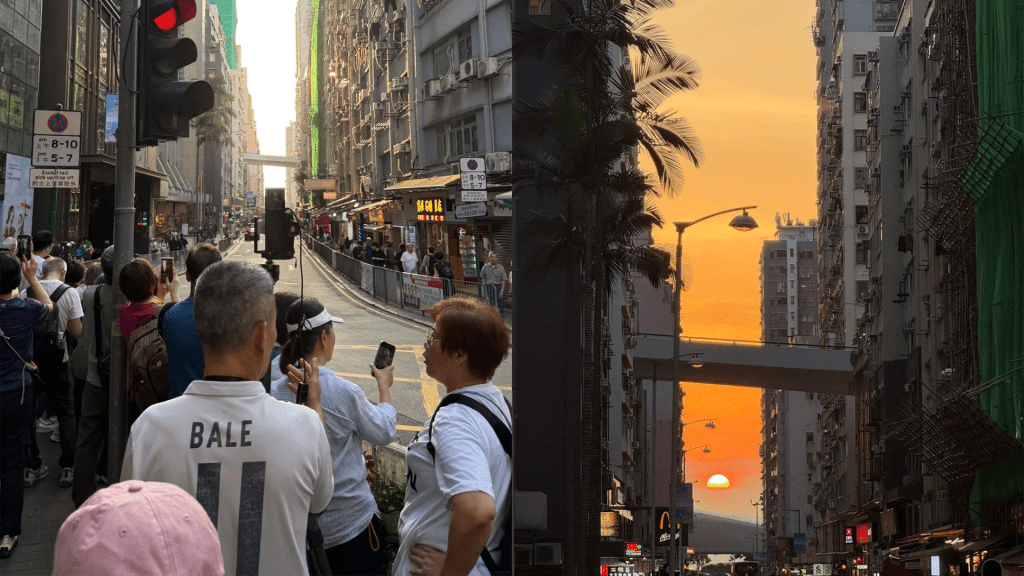
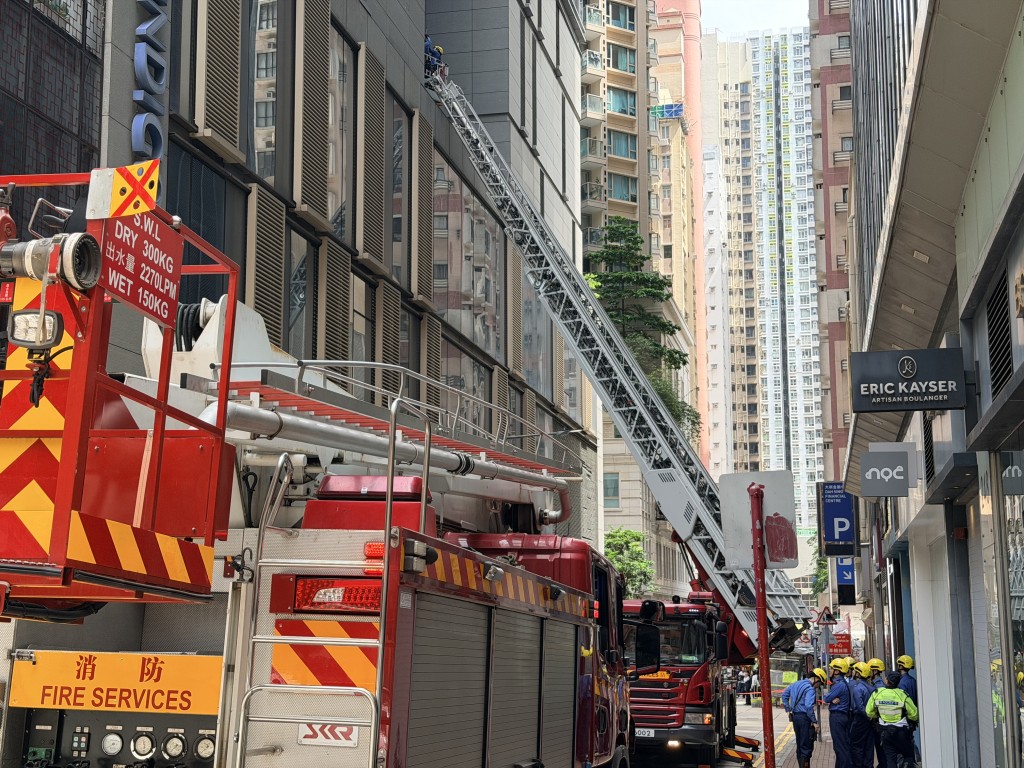
Woman dies after fall from Wan Chai hotel, strikes female pedestrian below
04-05-2026 11:00 HKT


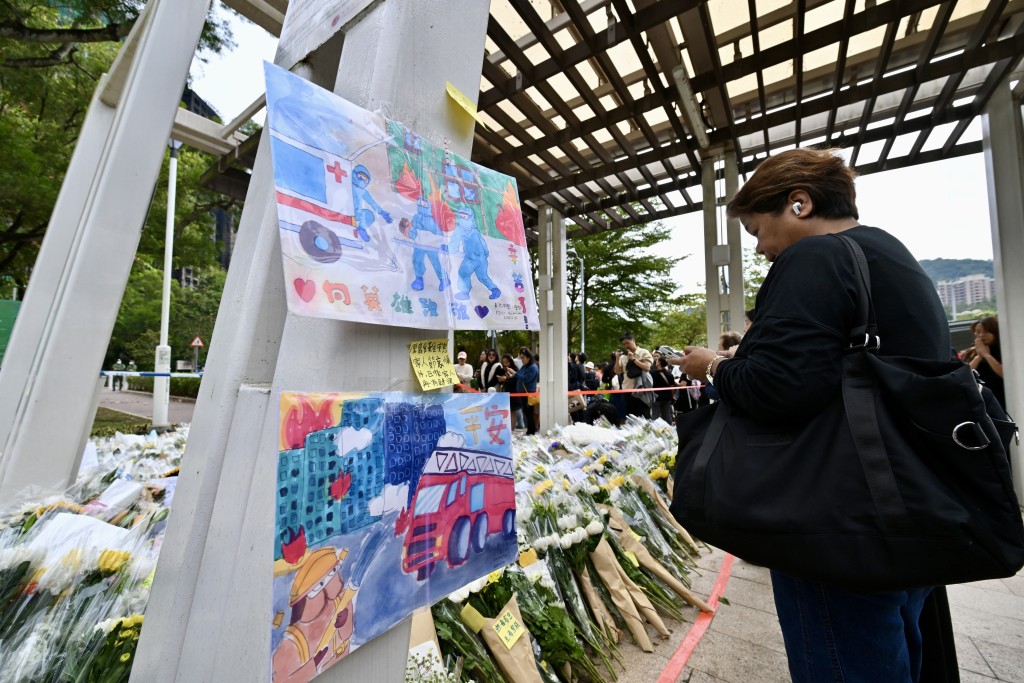
As Hong Kong continues to grieve the catastrophic five-alarm blaze at Wang Fuk Court in Tai Po — a fire that burned for more than 43 hours and left at least 146 people dead and 79 injured, including a firefighter — psychologists say the emotional toll across the city is both deep and widespread. Many residents remain unaccounted for, and six days after the tragedy, the city is still shrouded in collective sorrow.
Speaking on a radio program on Monday, Chloe Tam Ka-yi, a registered counseling psychologist with the Hong Kong Psychological Society, described how people affected by sudden, large-scale disasters typically move through distinct emotional phases, from shock to guilt to longer-term recovery.

She emphasized that there is no “right” reaction: “The most important thing right now is to first let yourself stabilize.”
Tam said emotional support hotlines had been flooded with calls from distressed residents, including survivors and people who had lost loved ones. Many callers were “extremely confused, overwhelmed, or in complete despair.”
At this initial stage, she explained, frontline workers focus on psychological first aid rather than in-depth counseling — providing a safe space to speak, listening patiently, and guiding callers through simple breathing and grounding exercises.
Social workers also help callers access practical support, from temporary housing to financial assistance.
Tam stressed that emotional responses vary widely. “Some people are visibly distressed, while others appear numb or silent — all of these are normal reactions.”
She cautioned against forcing victims to revisit traumatic memories too soon, saying it may cause secondary harm.
Trauma also affects people who were not directly involved in the fire, Tam said.
Continuous exposure to distressing images on news platforms and social media can trigger strong emotional reactions, including fear, sleep disturbance, and inability to concentrate — a phenomenon known as “secondary trauma.”
She advised limiting news consumption to “around ten minutes in the morning and evening,” and opting for filtered sources such as radio or text rather than repeated viewing of graphic footage.
Social media algorithms, she warned, may push users into “a vicious cycle” of consuming increasingly unsettling content. If needed, she said, people should temporarily stop using social media altogether.
In the third stage, some people — even those not directly affected — begin to experience guilt or self-blame. This includes thoughts such as feeling they should have been present to help, or believing they should not be engaging in leisure activities while the city is grieving.
Tam said such reactions are common in the grieving process, which can involve cycles of shock, denial, “if only…” thinking, anger, and sadness before gradually moving toward acceptance.
She stressed that individuals should not punish themselves for moments of normalcy or joy. “Maintaining daily routines and allowing yourself to relax at appropriate times actually supports recovery,” she said.
She added that it is normal for people to experience different emotions in different contexts. If someone finds themselves unable to feel any sense of joy for an extended period, however, that may signal an issue.
“When it's time to work, work. When it's time to play, play,” she said.
If emotional turmoil continues for days or weeks with no improvement — especially if it affects concentration, work, or relationships — Tam urged individuals to seek professional support from counselors or psychologists. Speaking with trusted family or friends can also help relieve internal pressure.
Tam urged the public to remain mindful not only of the victims and their families but also of their own psychological well-being and that of those around them.
Giving space, patience, and understanding, she said, will help the community gradually emerge from the shadow of the tragedy.