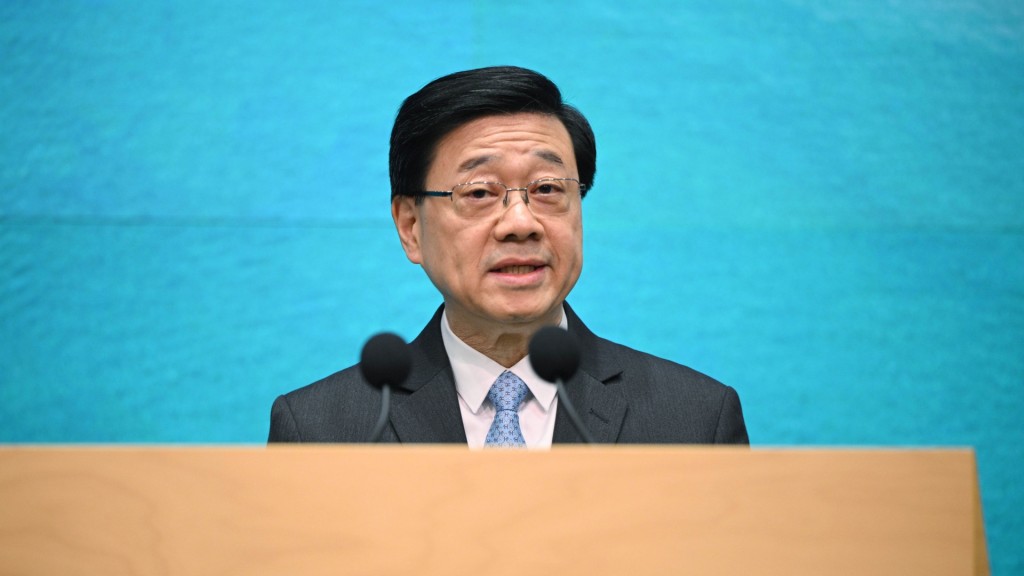
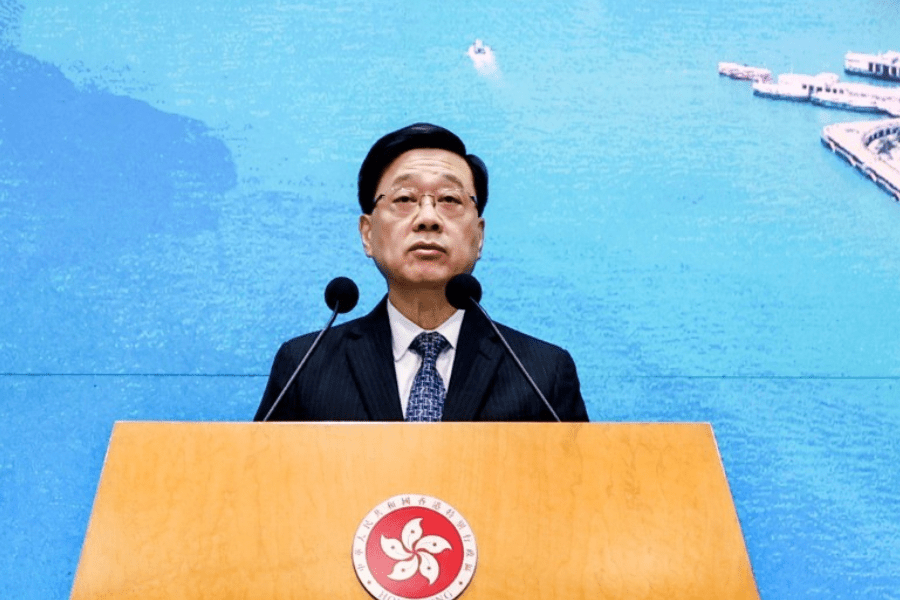
Chief Executive John Lee Ka-chiu said that Hong Kong will collaborate closely with the mainland and global partners to advance railway development as it serves as a powerful engine driving connectivity, resilience, and progress.
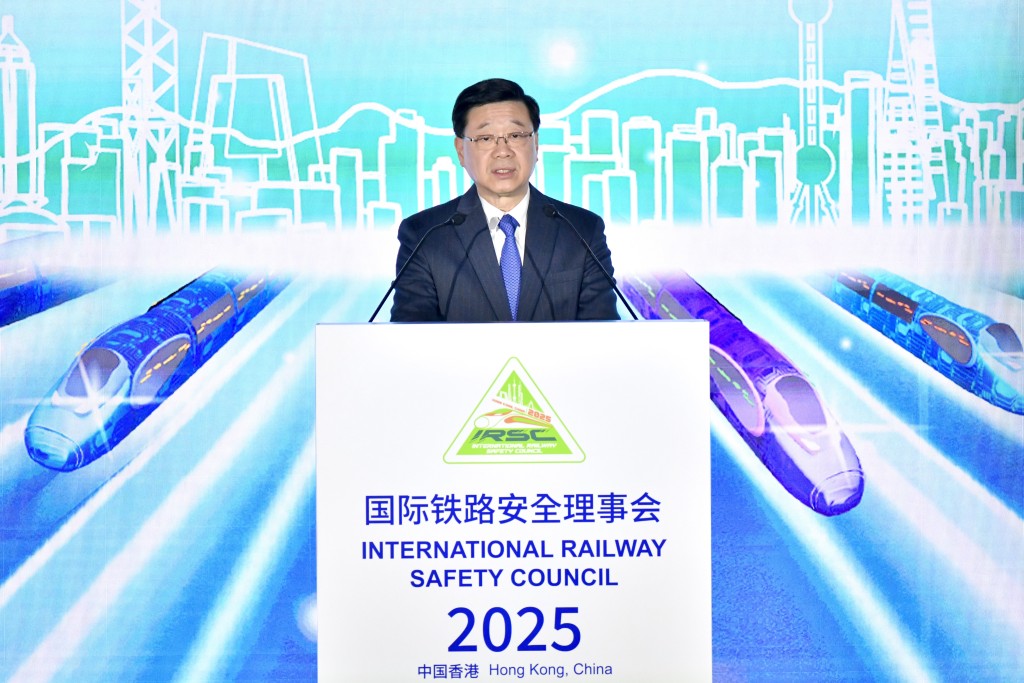
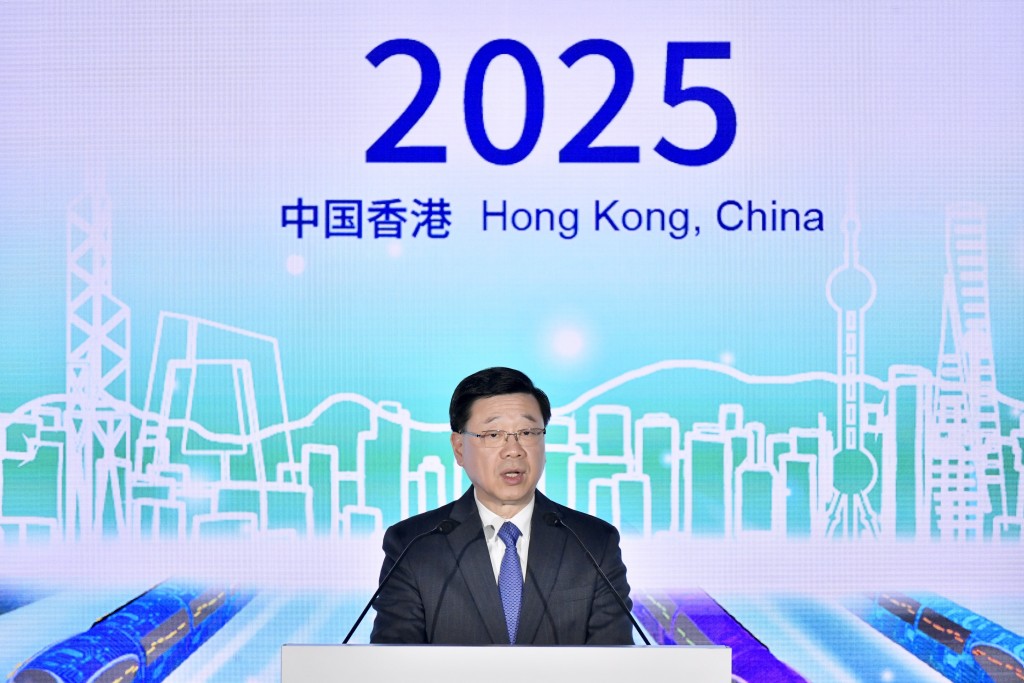
Speaking at the 35th International Railway Safety Council Annual Conference on Wednesday, Lee pointed out that with the opening Guangzhou-Shenzhen-Hong Kong Express Rail Link in 2018, cross-border railway services between Hong Kong and the mainland have entered a new era.
“Hong Kong is now seamlessly connected to the mainland’s high-speed rail network, which spans over 48,000 kilometers, creating entirely new opportunities for travel, trade and economic integration,” he said.
He added that from the West Kowloon Station, travelers can reach 96 destinations with streamlined customs procedures, significantly enhancing convenience and reinforcing Hong Kong’s position as a regional logistics and transport hub.
He said the city and Shenzhen are collaborating on two cross-border railway projects, including the Hong Kong-Shenzhen Western Rail Link (Hung Shui Kiu – Qianhai) and the Northern Link Spur Line, aiming to achieve seamless integration of the metro networks between the two regions within a decade.
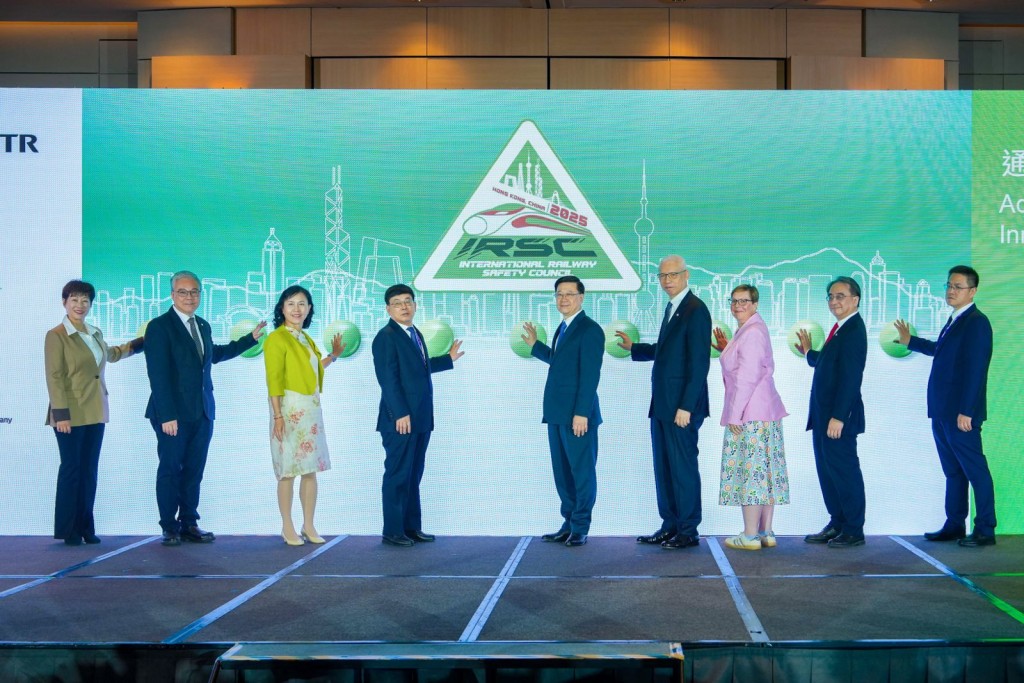
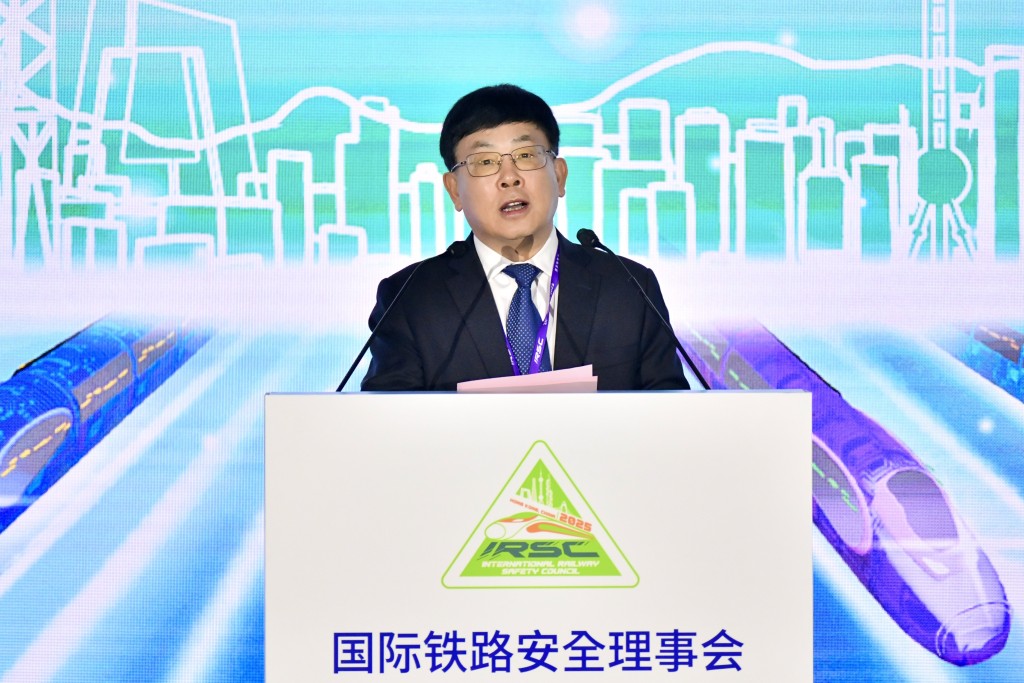
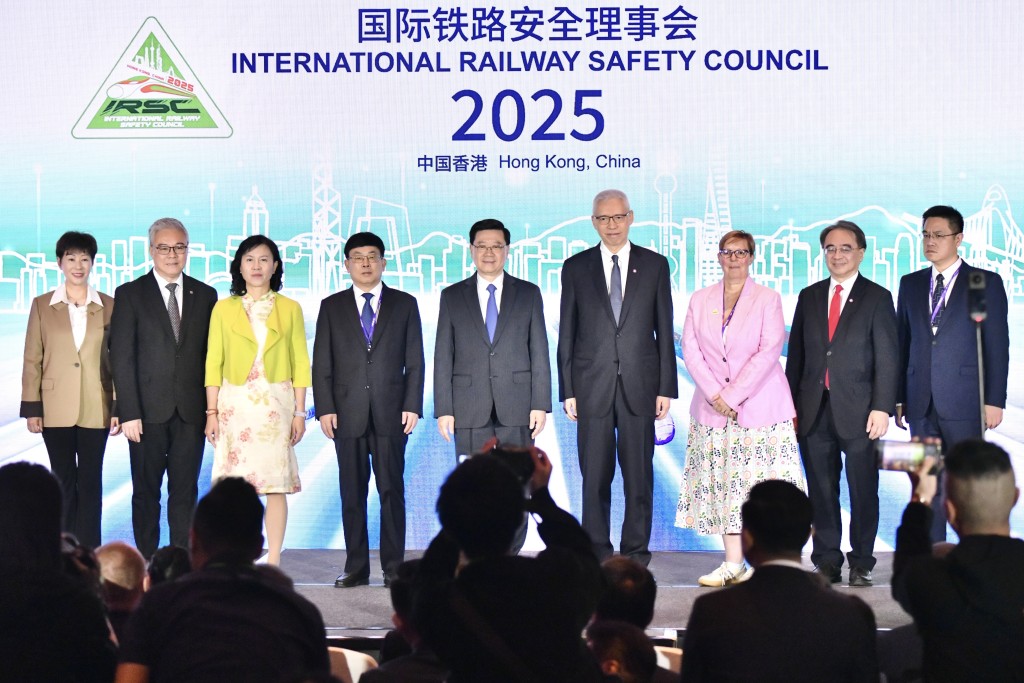
Under the theme “Advancing Railway Safety through Innovations and Collaborations”, the six-day conference is jointly organized by the mainland and Hong Kong, showcasing their close collaboration in railway safety and regulations, as well as their influence in the global railway professional community.
The event features four days of on-site meetings and two days of technical visits, gathering over 300 railway professionals from around the world.
Wang Qiming, Deputy Administrator of the National Railway Administration, noted that safety is the lifeline of railway development.
He said that Chinese railways are continuously modernizing their infrastructure and strengthening quality management, while also implementing tiered and categorized staff training to enhance professionalism and emergency response capabilities.
Wang highlighted that NRA will utilize new technology such as big data, the Internet of Things, and artificial intelligence for real-time monitoring infrastructure, conducting risk alerts and intelligent decision-making.
Authorities are currently accelerating the research and testing of the high-speed maglev transportation system with a speed of 600 kilometers per hour, aiming for breakthroughs in high-end technologies, he said.
Additionally, they will utilize data-driven construction for intelligent cloud platforms and scheduling systems, along with autonomous driving to enhance the operational efficiency and safety resilience of the railway network.
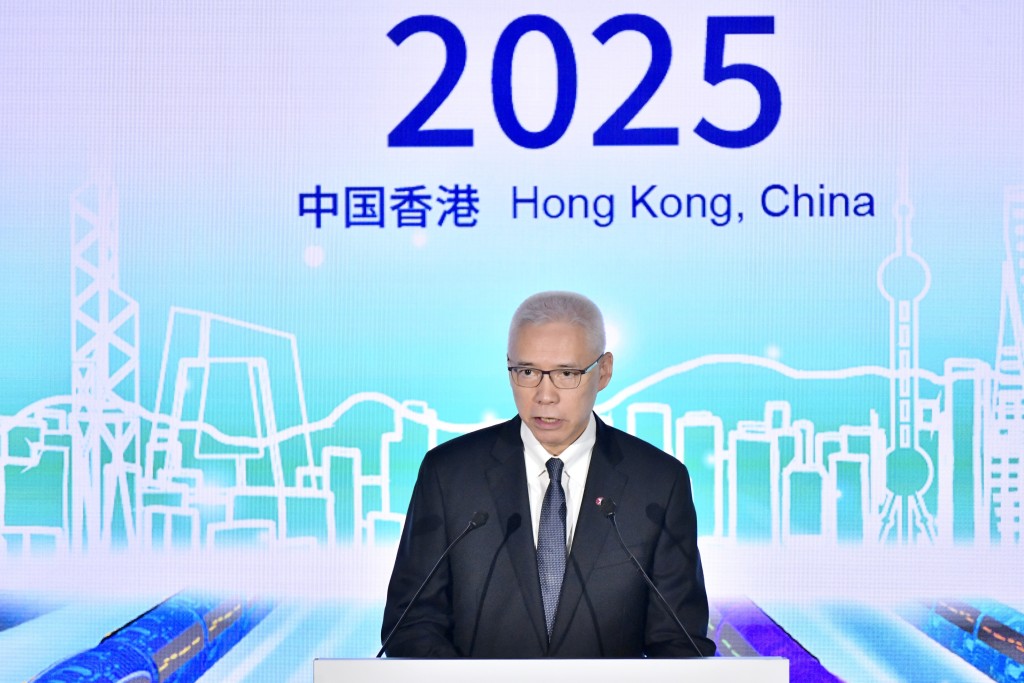
Meanwhile, Rex Auyeung Pak-kuen, Chairman of MTR Corporation, stated that safety is embedded in every aspect of the MTR, from the design and maintenance of railway infrastructure to daily operations.
He noted that the MTR has enhanced safety and reliability through innovative technologies such as AI-powered monitoring systems, predictive maintenance, and smart diagnostics.
“The MTR continues to invest in railway asset management and maintenance to ensure our system remains safe, reliable, and ready to meet future demands,” he said, adding that it is committed to promoting railway safety through collaboration.