Read More








Man dies after suspected drowning during Peng Chau swimming race
01-10-2026 14:56 HKT



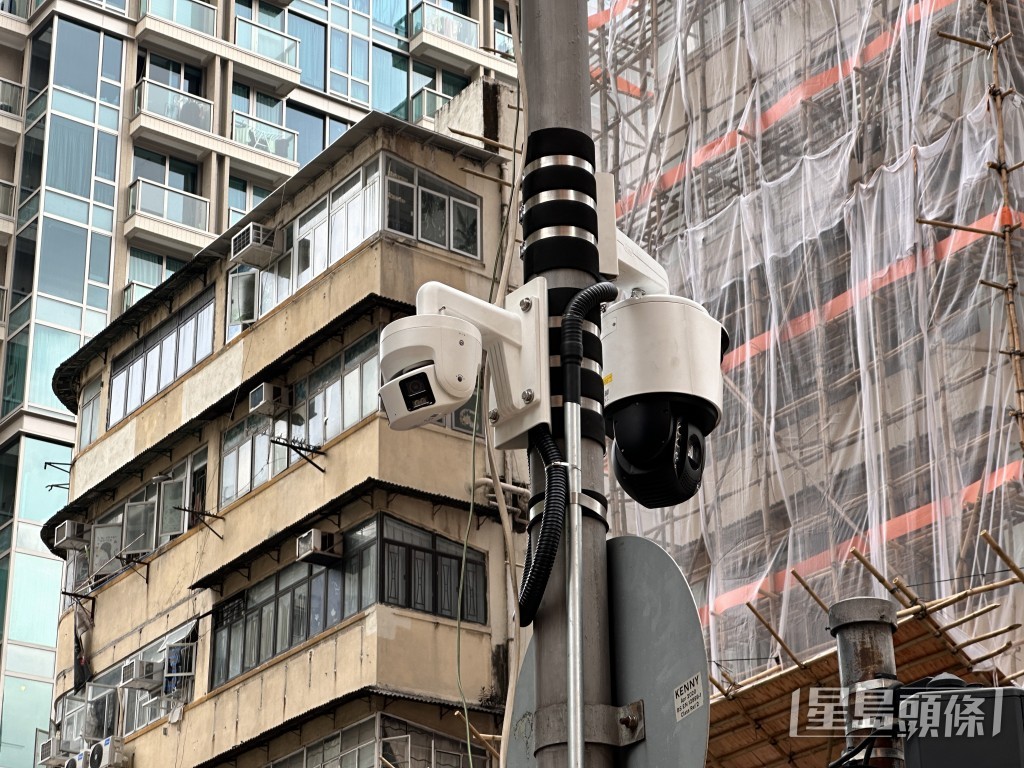
Hong Kong will expand its police CCTV network by adding 5,000 to 7,000 cameras each year over the next two years, with plans to integrate facial recognition and other AI technologies to enhance crime detection, said Secretary for Security Chris Tang Ping-keung.
The cameras will be installed in crime hotspots, and authorities will gradually link existing surveillance systems from public housing estates and MTR stations to the police network, he said.
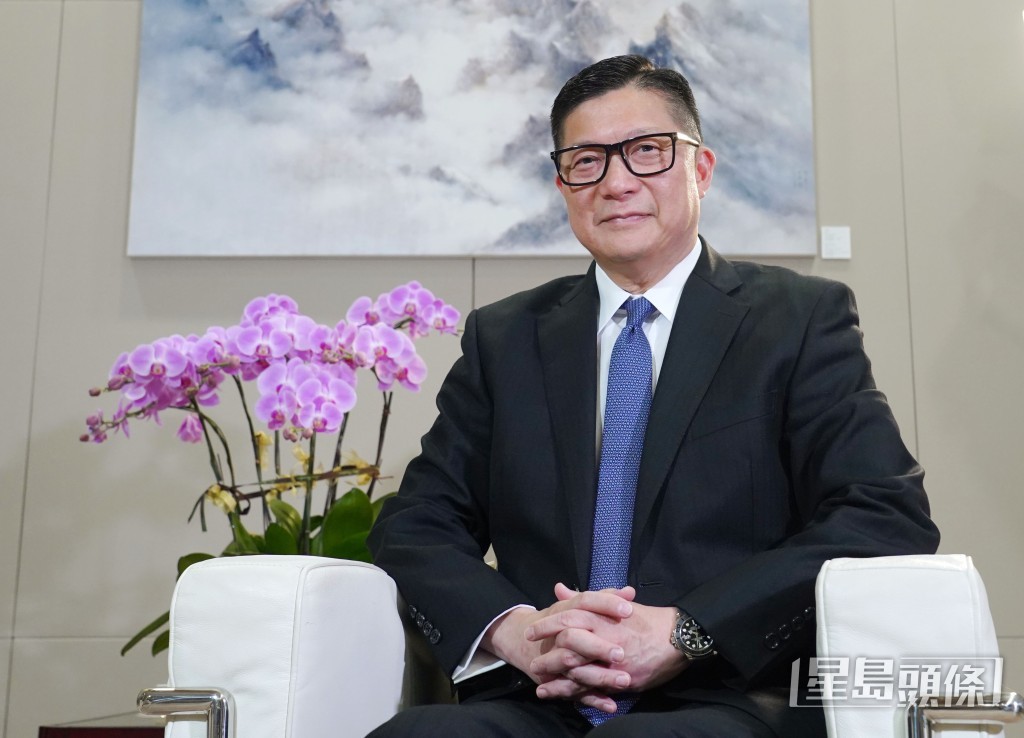
The security chief told Sing Tao Daily, The Standard’s sister publication, that the police’s CCTV system has already assisted in solving over 300 criminal cases, leading to nearly 600 arrests, including for serious offenses such as murder and robbery.
The expansion aims to further bolster public safety and investigative efficiency.
Tang also provided updates on national security enforcement. Since the city’s national security law launch in November 2020, the National Security Department’s tip-off hotline has received nearly 920,000 messages related to national security concerns.
Under the law, police have arrested around 330 individuals, prosecuted 189, and secured convictions against 165.
Tang warned that fugitives evading justice under the Safeguarding National Security Ordinance are mistaken if they believe fleeing Hong Kong will lessen consequences, stating that such individuals may eventually be abandoned by their supporters.
Additionally, Tang confirmed that the national security guidelines for all civil servants will be released by the end of this month.
The guidelines, applicable to all government employees—from cleaners to policy officials—will use plain language and real-world examples to clarify how staff should identify and report national security risks.
For instance, cleaners discovering pro-independence graffiti in public restrooms must report it, while funding approval officers should reject applications from individuals suspected of violating national security laws, he said.
Tang also addressed legal reforms, stating that authorities are reviewing a recent Court of Final Appeal ruling that overturned convictions in a case involving the now-defunct Hong Kong Alliance in Support of Patriotic Democratic Movements of China.
The government plans to close legal loopholes and improve enforcement mechanisms, said Tang.
On counterterrorism, Tang noted that Hong Kong’s threat level remains "moderate", citing past incidents of both organized and "lone-wolf" domestic terrorism.
He said newly established task forces—the Chief Executive’s Counter-Terrorism Steering Group and the Secretary for Security’s Counter-Terrorism Co-ordinating Group—have begun operations, though details remain confidential due to intelligence sensitivities.
Regarding "soft resistance," Tang reiterated that while press freedom and free speech are protected by law, they are not absolute.
Citing the International Covenant on Civil and Political Rights, he emphasized that the media must uphold national security. Existing laws, he said, are sufficient to combat fake news, making additional legislation unnecessary.