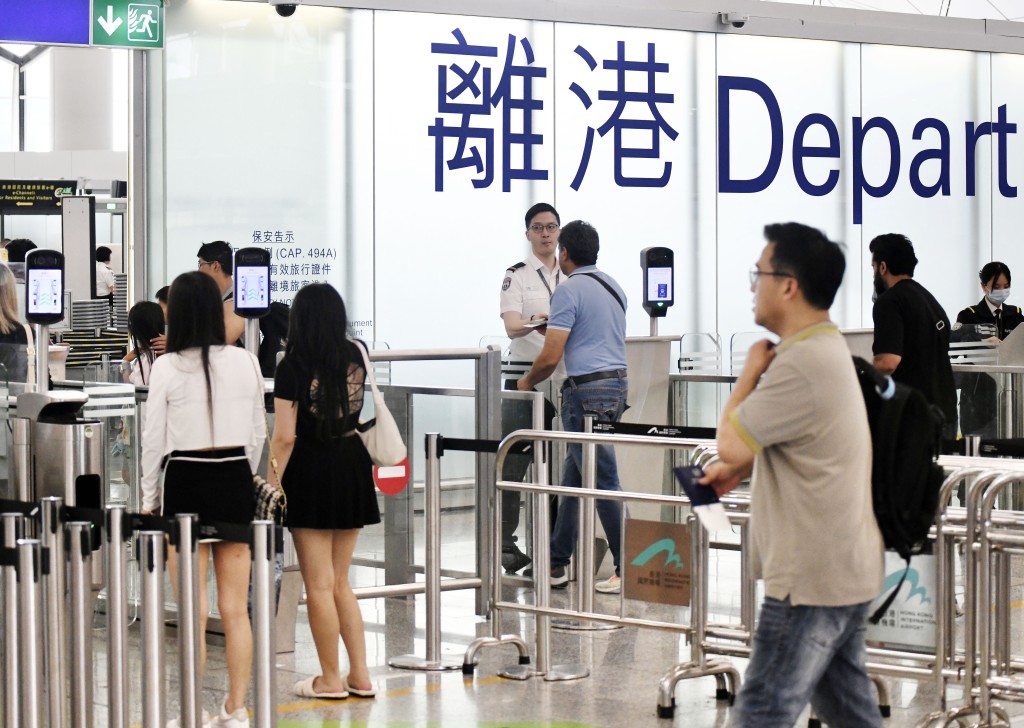
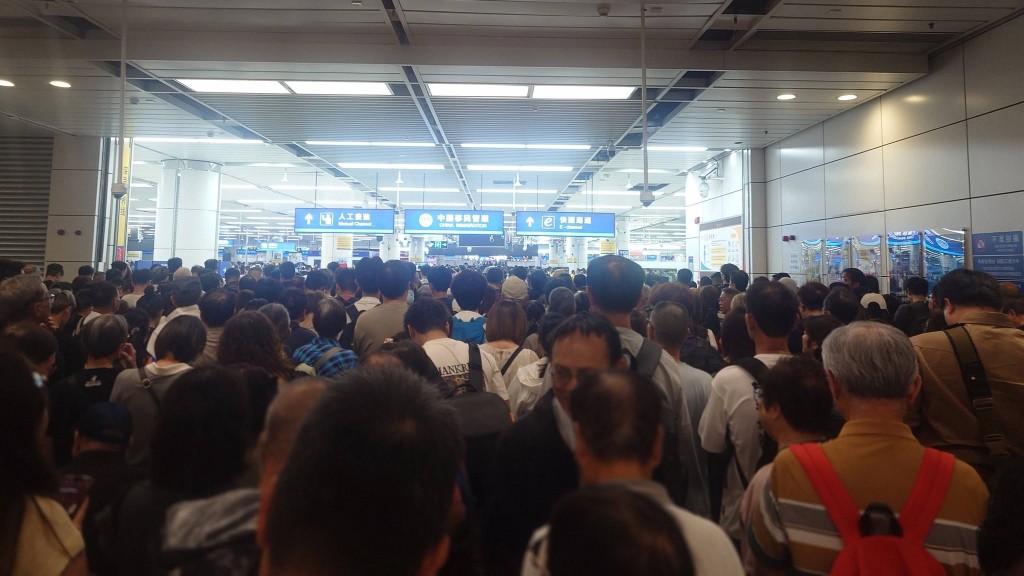
Nearly 200 passengers were left stranded at the Hong Kong International Airport early Tuesday after Qatar Airways canceled a flight to Doha due to the temporary closure of Qatari airspace amid escalating Middle East tensions.
Qatar Airways Flight QR815, originally scheduled to depart Hong Kong at 1.25am, was abruptly called off, leaving passengers waiting for hours without clear updates.
The cancellation came after Iran launched missile strikes on US military bases in Iraq and Qatar on Monday, prompting several Gulf nations to shut their airspace as a precaution.
By 4am, airline staff informed travelers that the flight had been canceled and advised them to retrieve their luggage.
Passengers were told they could cancel their tickets but would not receive compensation, sparking frustration among the crowd.
Some vented their anger at the airline’s handling of the situation at the boarding gate.
Salem, an American traveler, said he had been waiting since 10.30pm the previous night and only wanted to be rebooked on another flight.
At 5.10am, Qatar announced the reopening of its airspace, and Qatar Airways subsequently announced a resumption of operations.
In a statement, the airline confirmed flights reinstatement, saying: “Our focus at this time is to help our passengers return home or reach their onward journey safely and smoothly.”
Six flights from Hong Kong to Doha or Dubai were scheduled for Tuesday. Cathay Pacific, operating a 5.30 pm flight to Dubai, confirmed that its Middle East services were running as usual.
The airline said it had assessed the regional situation and adjusted flight paths to avoid Israeli, Iranian and Iraqi airspace.
Local travel agencies reported receiving inquiries from concerned customers, particularly those booked on Middle Eastern tours or transiting through the region.
WWPKG executive director Yuen Chun-ning said about 10 groups had asked about potential disruptions, including some departing this weekend.
“Some guests traveling to Dubai for leisure no longer want to go and are asking for solutions,” he said, adding that those with trips in July or August are also expressing concerns.
Yuen estimated that if tensions persist, Middle East tour bookings could drop by 20 to 30 percent.
(Ayra Wang)