





Read More




Morning Recap - October 23, 2026
7 hours ago



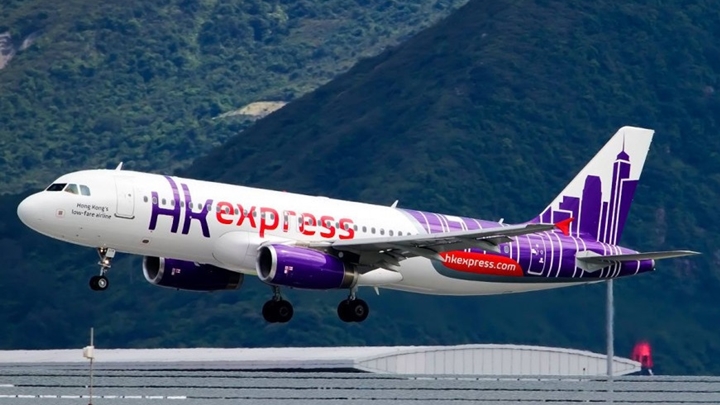
HK Express cancels 10 Taiwan flights as Super Typhoon Champi nears
22-10-2026 13:52 HKT
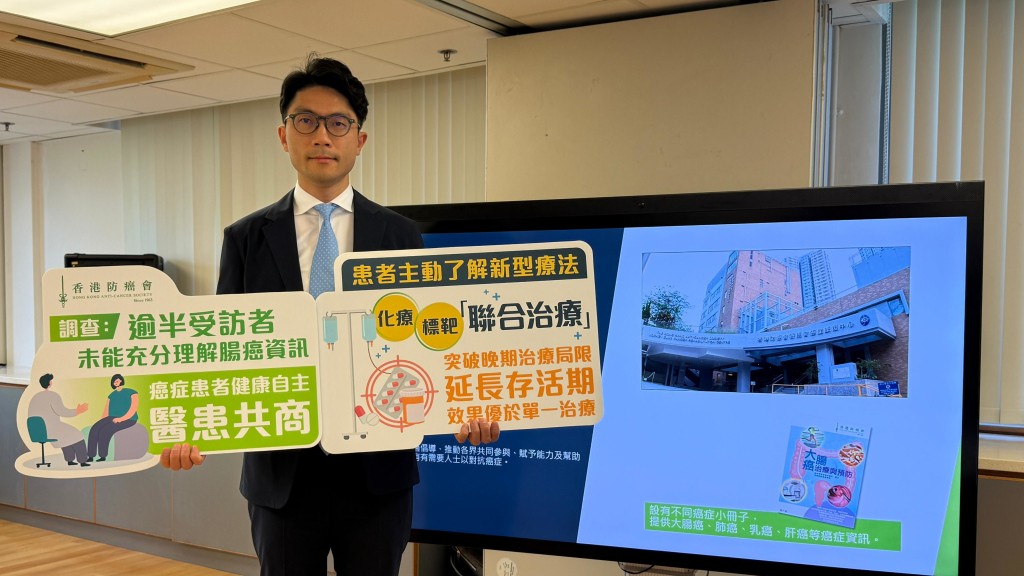
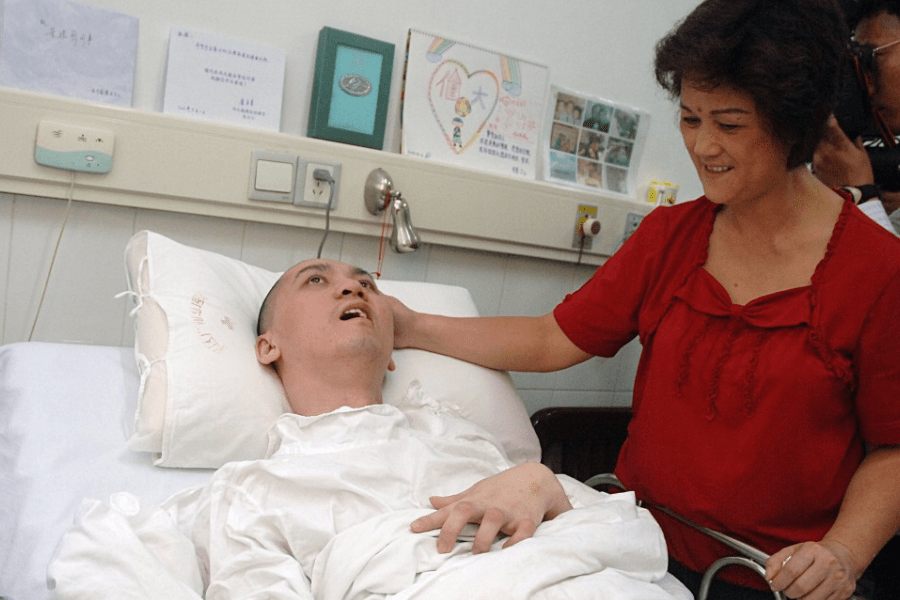
A recent survey by the Hong Kong Anti-Cancer Society has revealed concerning gaps in disease awareness among bowel cancer patients, with more than half of the respondents demonstrating insufficient understanding of their condition and treatment options.
The study, which interviewed 105 bowel cancer patients, also found that only 40 percent actively participated in treatment decisions, indicating most patients take a passive role in their care.
Despite this, over 90 percent of respondents expressed willingness to learn more about treatment options, with most considering therapeutic efficacy as the most important factor when choosing medication, followed by cost.
Commenting on the findings, chairman of the society’s cancer education subcommittee Lam Ka-on emphasized the need for improved doctor-patient communication.
He suggested doctors present treatment information in clear and patient-friendly formats, enabling patients to better understand their options and actively participate in care decisions.
Meanwhile, Lam indicated recent breakthroughs in treating advanced bowel cancer, with international treatment guidelines now recommending “combination therapy” as the standard third-line treatment for late-stage cases.
He highlighted that patients receiving combination therapy demonstrate a median survival of 10.8 months, compared to just 7.5 months for those on monotherapy.
While the therapy may cause side effects such as nausea or peripheral neuropathy, Lam noted these are predictable and can generally be managed with supportive medications.
He encouraged patients to proactively discuss treatment options with their doctors to identify the most suitable approach for extending survival while maintaining quality of life.
(Cheng Wong)