Read More

Night Recap - April 3, 2026
27 mins ago
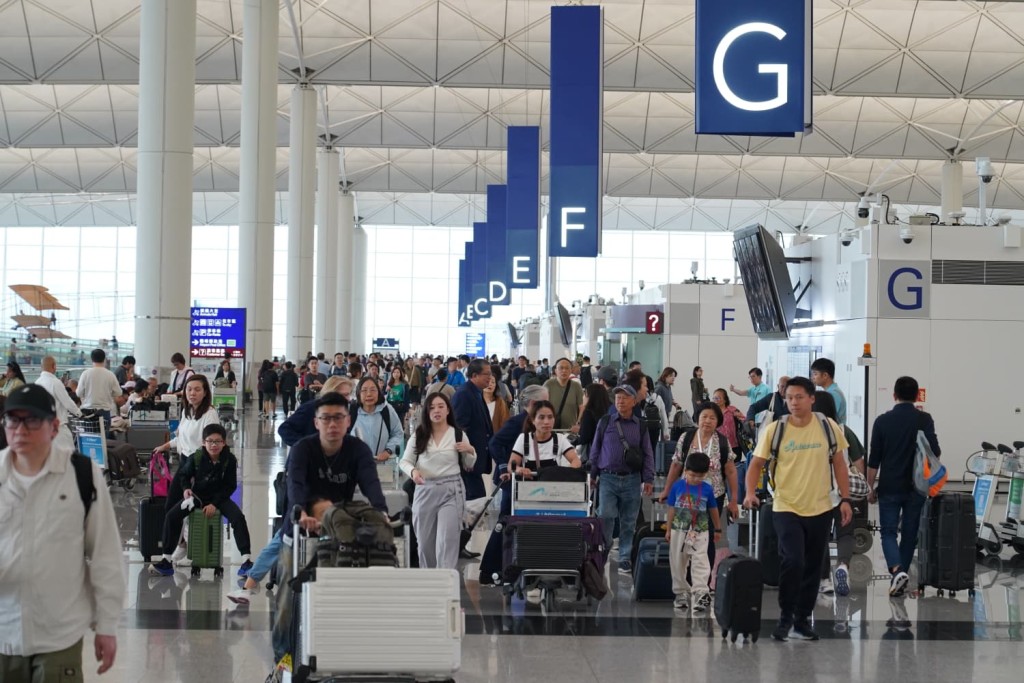
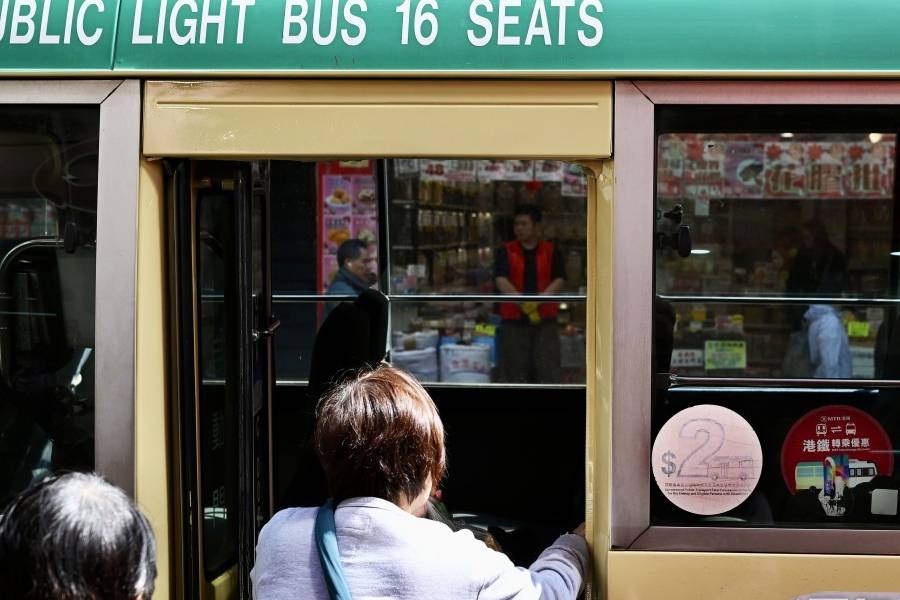
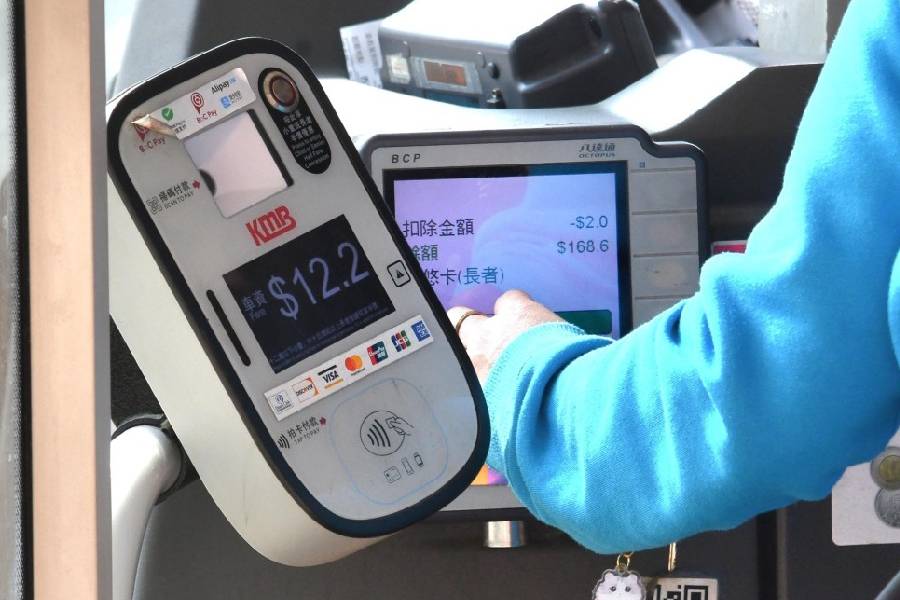
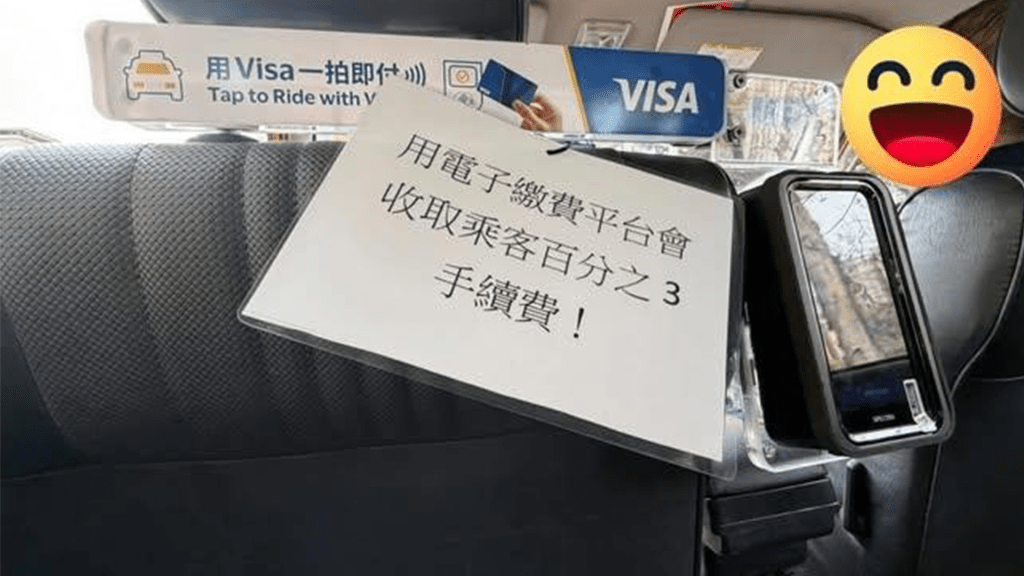
Taxi e-payment ‘3pc fee’ notices spark debate on rollout day
02-04-2026 12:42 HKT
The trial of Michael Kovrig, the Canadian detained for more than two years in China on espionage charges, was concluded yesterday with no verdict.
The hearing came days after the closed-door trial of another Canadian man, with both detained in apparent retaliation for Canada's arrest on a US extradition warrant of Huawei executive Sabrina Meng Wanzhou.
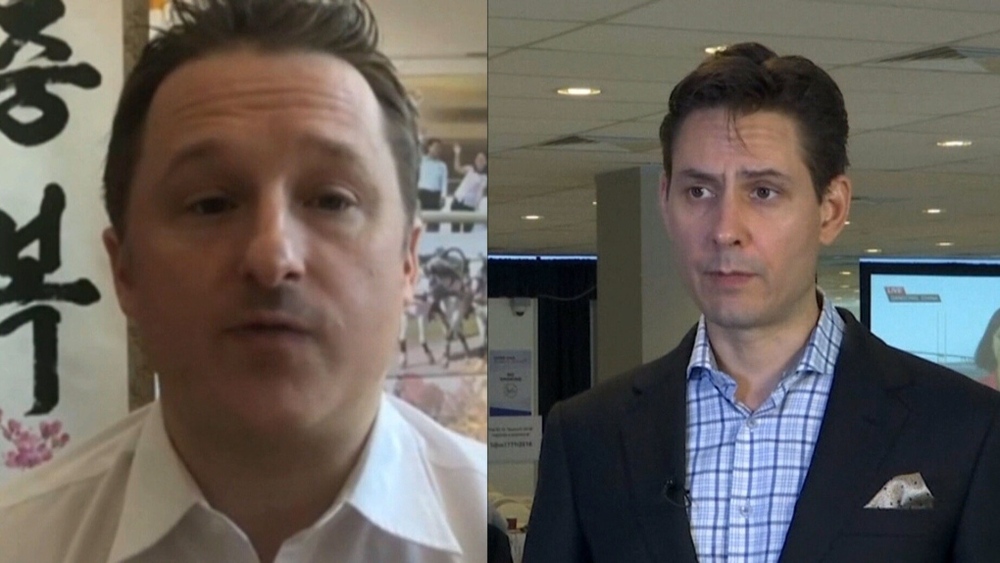
Kovrig, a former diplomat, was detained in 2018 and formally charged last June with spying at the same time as his compatriot, businessman Michael Spavor.
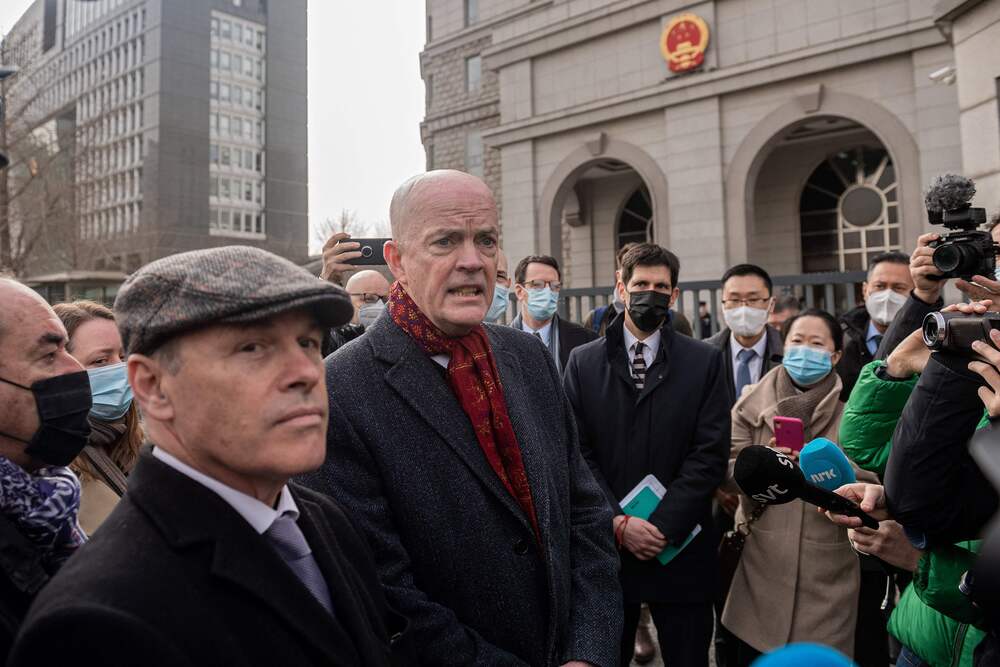
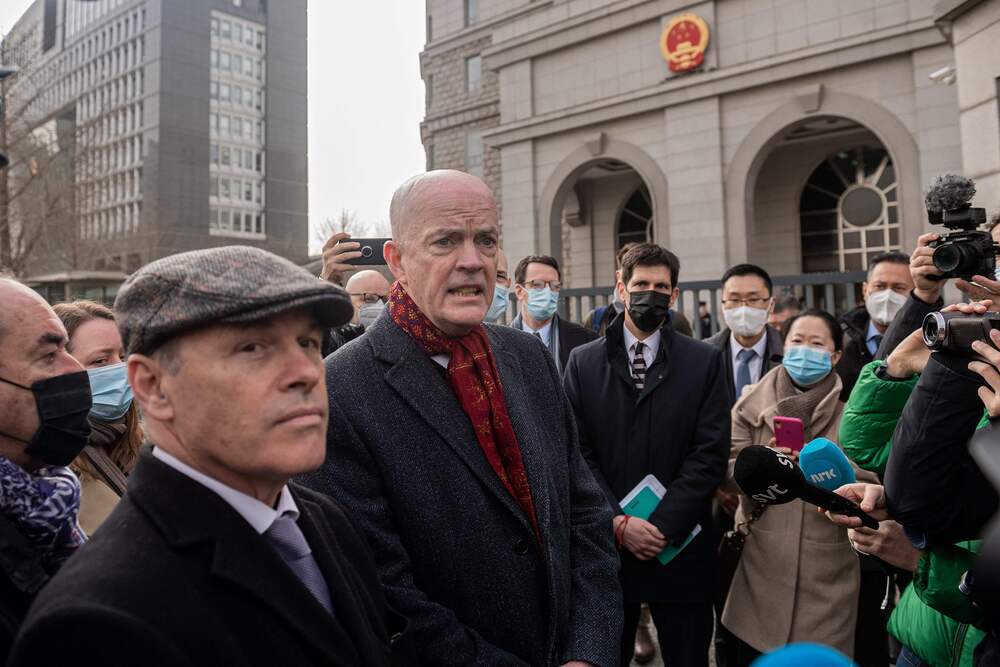
Police cordoned off an area outside the Beijing court yesterday as Canadian diplomats were denied entry and turned away.
Jim Nickel, the charge d'affaires of the Canadian embassy in Beijing, said he was "very troubled by the lack of access and lack of transparency in the legal process."
The trial lasted one day before a statement early evening from the court said the process had concluded and it would "choose a date to announce the verdict in accordance with the law."
Kovrig and his lawyer were present in the court, the statement said, for the case of "spying on state secrets and intelligence for foreign powers."
Representatives of 26 countries had gathered outside the building yesterday, Nickel said, and were "lending their voice" for Kovrig's immediate release.
A court official told reporters no entry was allowed because the trial is a national security case.
Canadian diplomats were also barred from attending Spavor's trial in the northern city of Dandong on Friday, which lasted less than three hours and ended without any verdict being announced after a similar court statement was given.
Following that closed-door hearing, Canadian Prime Minister Justin Trudeau called the two men's detention "completely unacceptable, as is the lack of transparency around these court proceedings."
China's foreign ministry defended diplomats being blocked from entering the court, and criticized those gathering outside as "very unreasonable."
Foreign ministry spokeswoman Hua Chunying added: "Be it a few or dozens of diplomats trying to gather and exert pressure, it is an interference in China's judicial sovereignty . . . and not something that a diplomat should do."
The court dates for the two Canadians come as an extradition hearing for Meng enters its final months, and alongside fiery high-level talks between the United States and China in Alaska.
Meng, whose father is Huawei founder and chief executive Ren Zhengfei, has been fighting extradition to the United States on charges that she and the company violated US sanctions on Iran and other laws.