Read More


Night Recap - May 27, 2026
4 hours ago








Hong Kong a conduit for mainland, French firms
26-05-2026 06:00 HKT
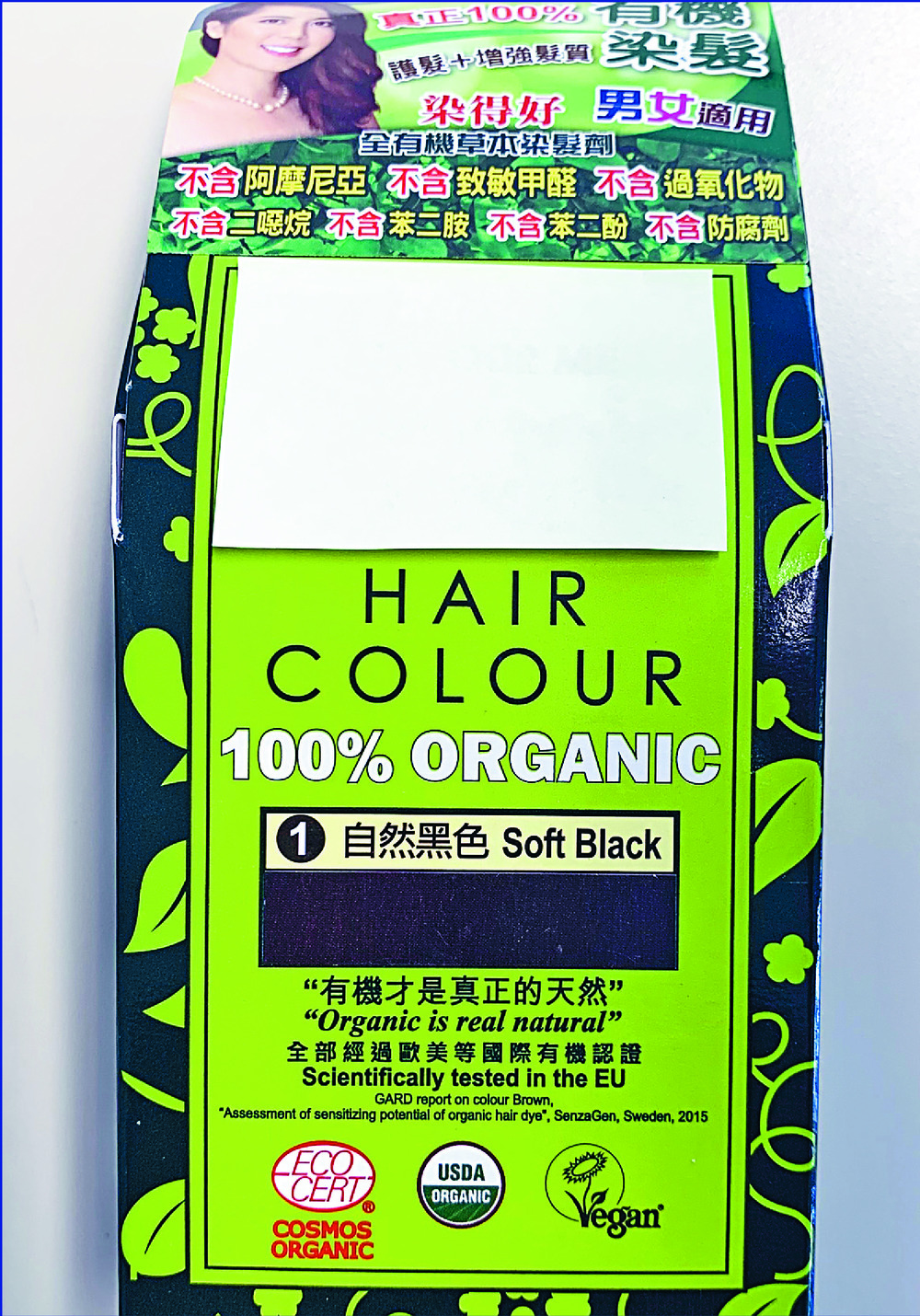
Three out of five natural and herbal hair dyes tested by the consumer watchdog contained allergens or heavy metals, with one of the total 26 tested having 250 times the allowed bacterial count.
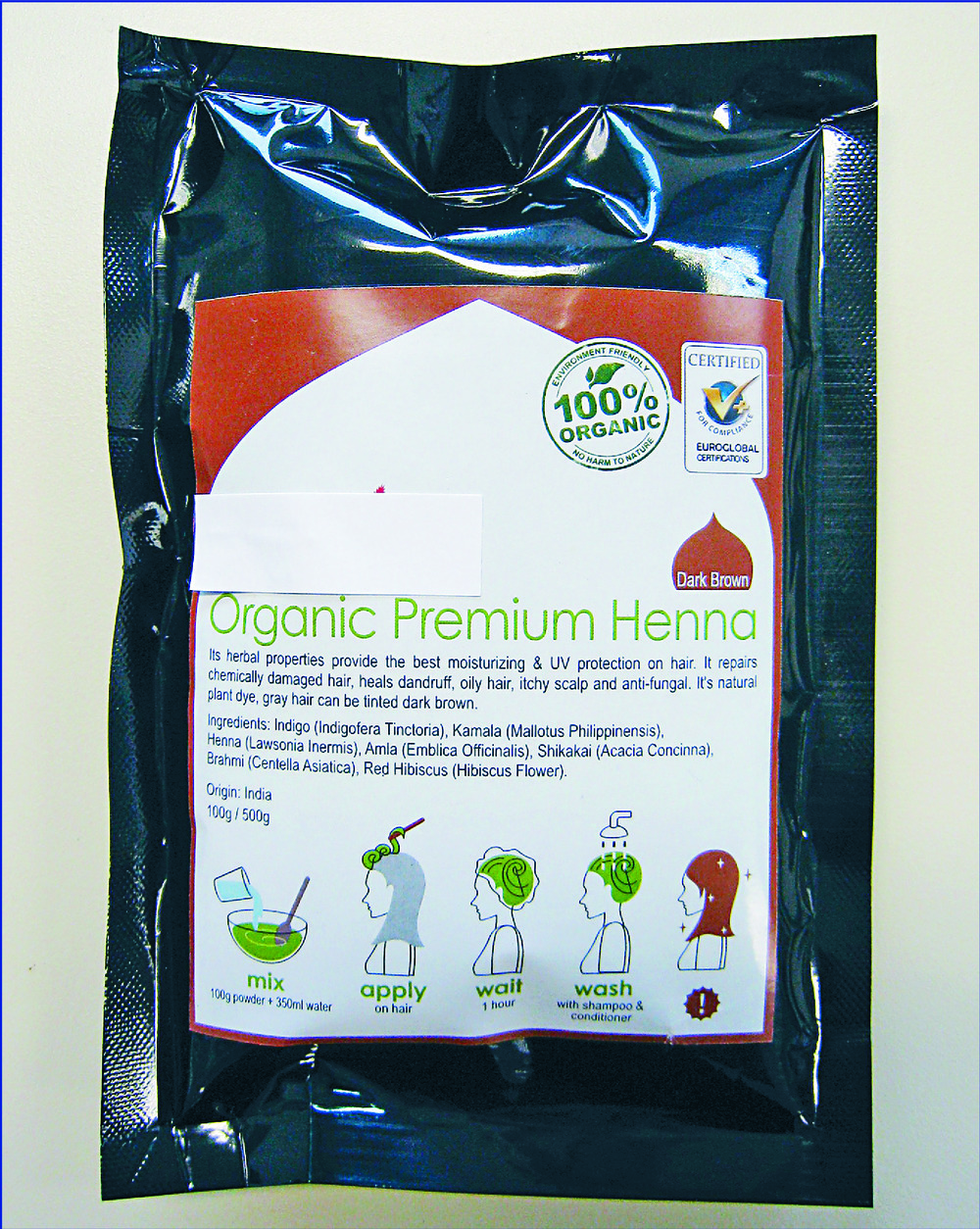
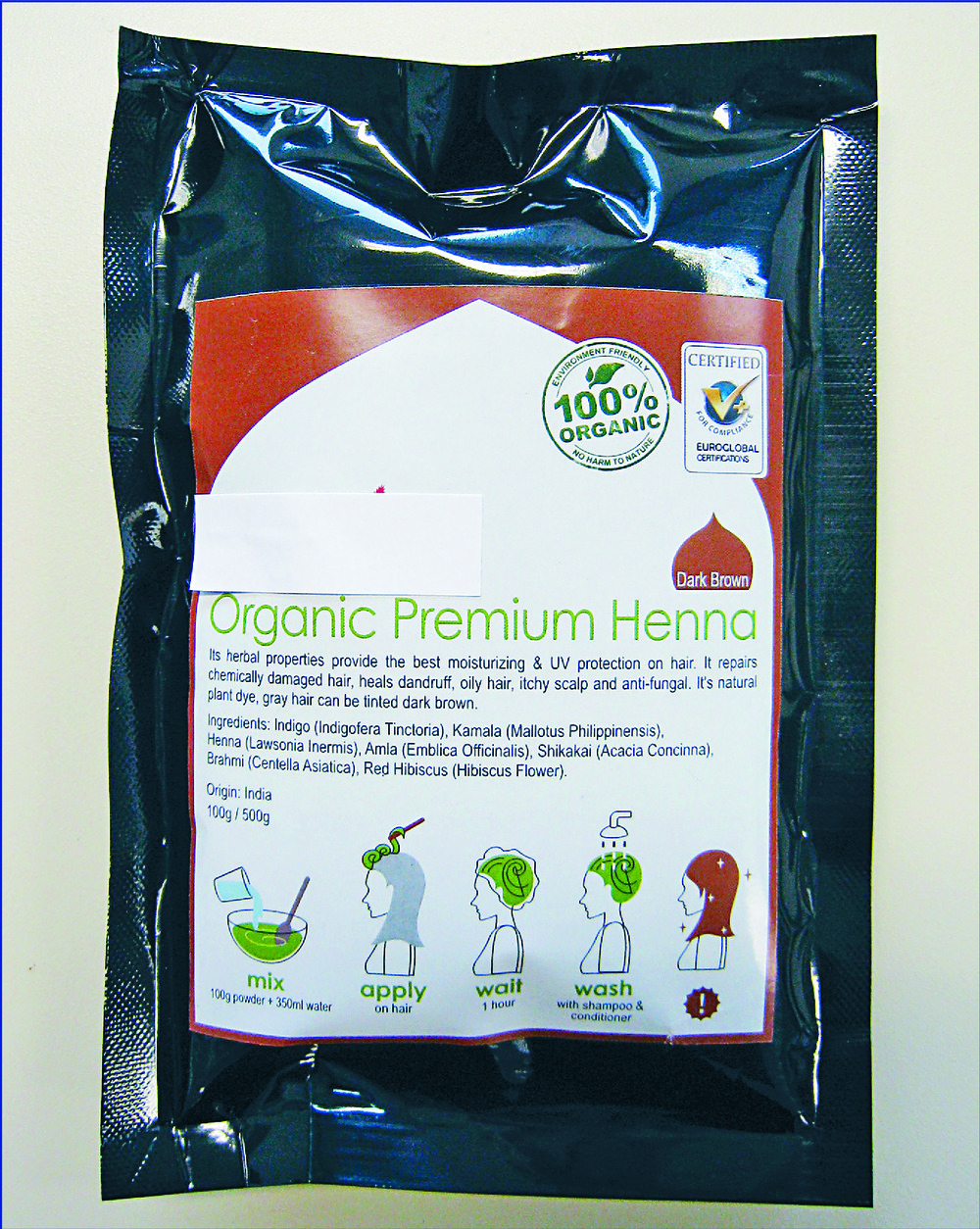
All the henna hair dyes tested by the Consumer Council contained bacteria exceeding mainland standards, with "BeNature" standing out because of its excessive bacterial count.
The hair dyes, which claimed to be "natural," "herbal," "plant-based" or "organic," ranged from HK$18 to HK$450.
Out of the 26 tested, seven were coloring conditioners, 13 were oxidative dye type permanent hair dyes and six were hennas. All oxidative dye types, permanent hair dyes and three hennas contained allergens.
Three henna hair dyes -"Herbul," "Melva" and "Ling Lee" - were found to contain levels of p-Phenylenediamine ranging from 0.44 and 8.3 percent, exceeding the levels of European Union and Chinese cosmetic regulations.
"Consumers should be aware that studies have found that some people, particularly women, may develop allergic reactions toward PPD, which may cause pruritus [itchy skin], pricking or a burning sensation," said Lui Wing-cheong, the council's vice chairman of research and testing committee.
All six henna hair dyes were found to contain lead. They were also found to have high aerobic bacterial counts, exceeding the allowable limit (1000 CFU/g) under mainland cosmetic regulations.
While that may not affect normal usage, Lui warned that it may cause allergies or inflammation if there are cuts on the scalp or if the product accidentally gets into the eyes.
This comes as the Customs and Excise Department seized 22 pieces of two hair dye products with excessive levels of bacteria, mold and yeast counts. They appeared to be from brands "Radico" and "BeNature."
The council's Choice magazine said henna hair dye from "BeNature" contained the highest bacterial count of all the henna hair dyes tested, with a bacterial count of 250,000 CFU/g.
"BeNature," "Radico" and "Yota" were also found to have exceeded the mainland's allowable limit of total combined mold and yeast counts.
Consumers are advised to perform a skin allergy test according to instructions on the product before dying their hair. People suffering from Glucose-6-Phosphate Dehydrogenase deficiency are advised not to use henna to avoid symptoms of hemolysis - the rupture or destruction of red blood cells - which poses a health risk.