Read More


Night Recap - May 27, 2026
4 hours ago






Hong Kong a conduit for mainland, French firms
26-05-2026 06:00 HKT
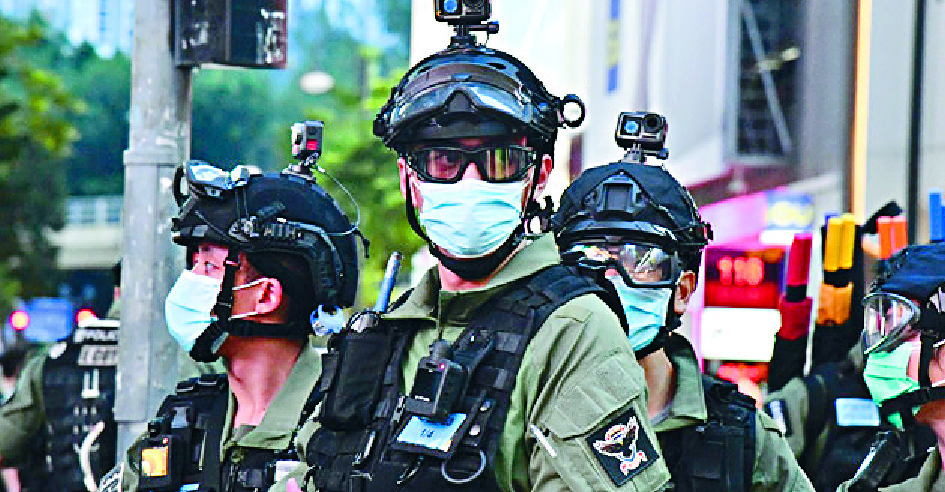
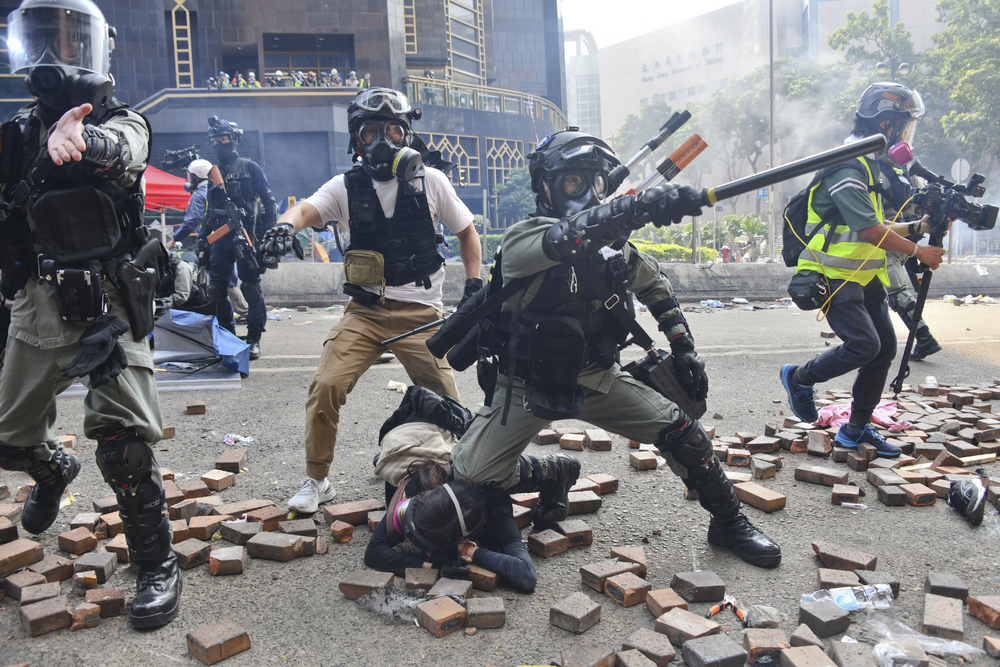
Allowing riot police to go on duty without displaying a unique identification violates the Bill of Rights that protects citizens against torture and cruel treatment, the High Court ruled.
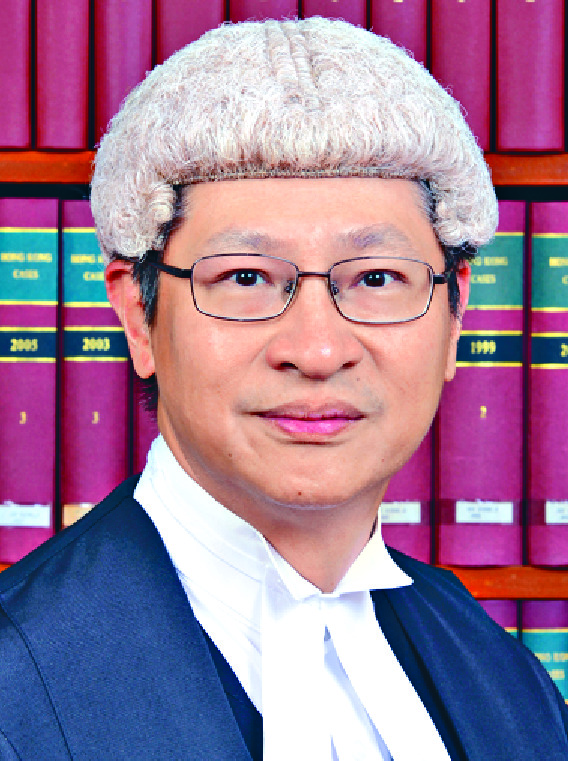
Justice Anderson Chow Ka-ming also said in the Court of First Instance that the existing mechanism to handle police complaints fails to fulfill requirements under the bill.
He was ruling in judicial reviews filed by the Hong Kong Journalists Association and four citizens.
One was teacher Yeung Tsz-chun, who was shot and blinded in one eye by a still-unidentified policeman, and Chan Kung-shun, Lo Cham-sze and Ng Hong-luen.
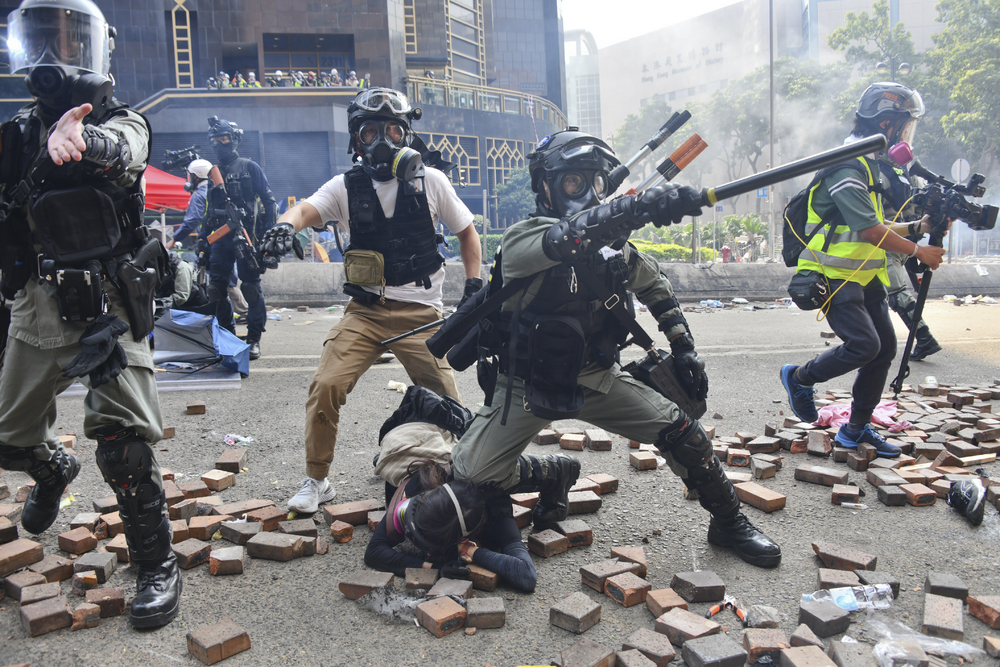
They were challenging police officers' failures to show identification numbers during the unrest triggered by the anti-fugitive bill protests last year.
In his 60-page judgment handed down yesterday, Chow said the force failed to ensure that every officer deployed in Operation Tiderider mounted last year against the unrest displayed prominently an identification number or mark.
That violates Article 3 of the bill, which states no one shall be subjected to torture or to cruel, inhuman or degrading treatment or punishment.
"The rights protected by Article 3 of the bill is absolute and non-derogable," Chow wrote. "This means that even in times of public emergencies, however serious, the rights under the article must still be respected by the government and protected by the courts."
Chow also said that even after police introduced a new system to display what was said to be an anti-riot officer's unique call-sign on a blue card to be displayed on a vest or jacket there had been evidence of multiple officers wearing the same call-sign at one event.
And some officers used items to block the sight of the blue cards.
So victims and eyewitnesses of alleged police abuse could not identify those responsible and thus were unable to file complaints or take legal actions.
Chow added: "What is clear is that there are many instances of arguable claims of use of unnecessary or excessive force, or application of ill-treatment by police officers, which, if proved, would constitute breaches of Article 3 such that the positive investigative duty on the part of the government is triggered."
He said the force should allow a victim "to identify, or at least provide a reasonable means for the victim to identify the police officer involved in the application of the ill-treatment.
"An obvious measure that could and should be taken would be to require police officers each to wear and prominently display an unique identification number or mark when carrying out non-covert duties."
Chow also said the court is aware of police concern about doxxing, but he added that could not override the duty to maintain an adequate system to investigate suspected breaches under the Bill of Rights.
It would be unacceptable that only police are able to identify officers with their call signs as victims alleging ill-treatment would be at the mercy of officers.
He also hit out at the existing mechanism used by the Complaints Against Police Office and the Independent Police Complaints Council to handle cases.
Chow said for an investigation to comply with the bill it must be conducted by a body with "institutional and practical independence" and possess the power to make binding determinations.
The CAPO is part of the force and is "clearly not institutionally independent," Chow said, as it is ultimately headed by the police commissioner.
And while the IPCC is independent of the force, Chow said, it lacks the necessary investigative powers of its own.
"It has no power to overturn the decisions of CAPO. If it has queries about CAPO findings or disagrees with CAPO conclusion it may request CAPO to make clarifications or carry out further investigation."
Even if the Independent Police Complaints Council disagrees with the Complaints Against Police Office it can only raise the issue to the chief executive and the public, but it has "ultimately no power to make any binding determination."
Chow cited police figures showing that from June 9, 2019 to January 20 the CAPO received 1,620 complaints arising from protests, accusing officers of misconduct, assult and impoliteness.
'Right the wrongs at once' journalists demand: Page 6