Read More


Night Recap - May 29, 2026
4 hours ago









Hong Kong a conduit for mainland, French firms
26-05-2026 06:00 HKT


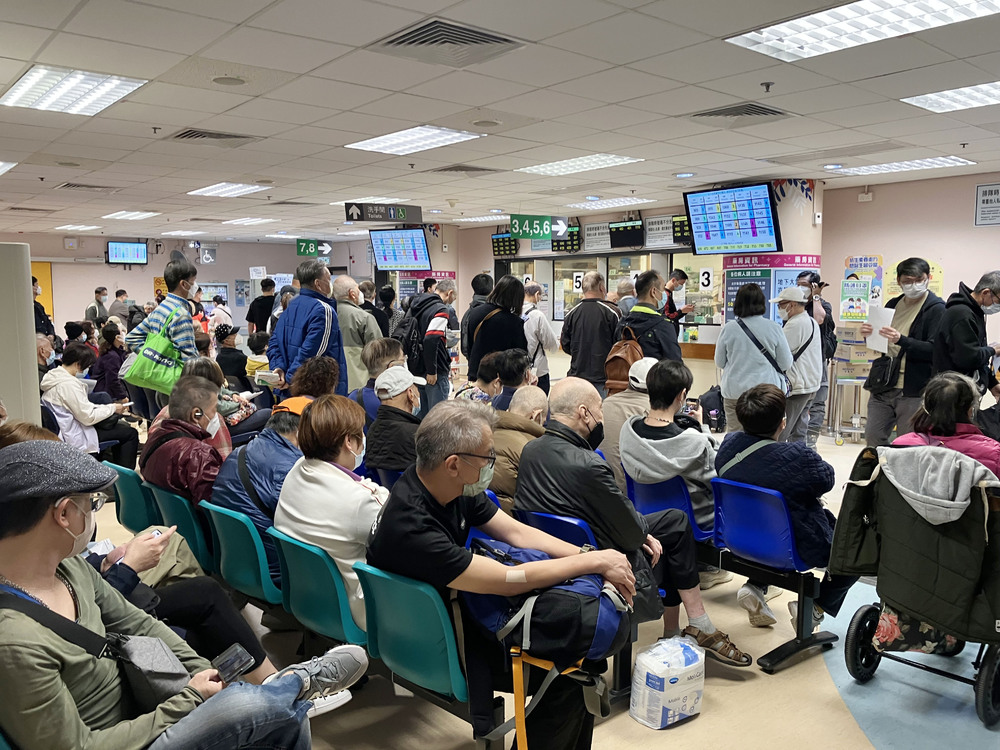
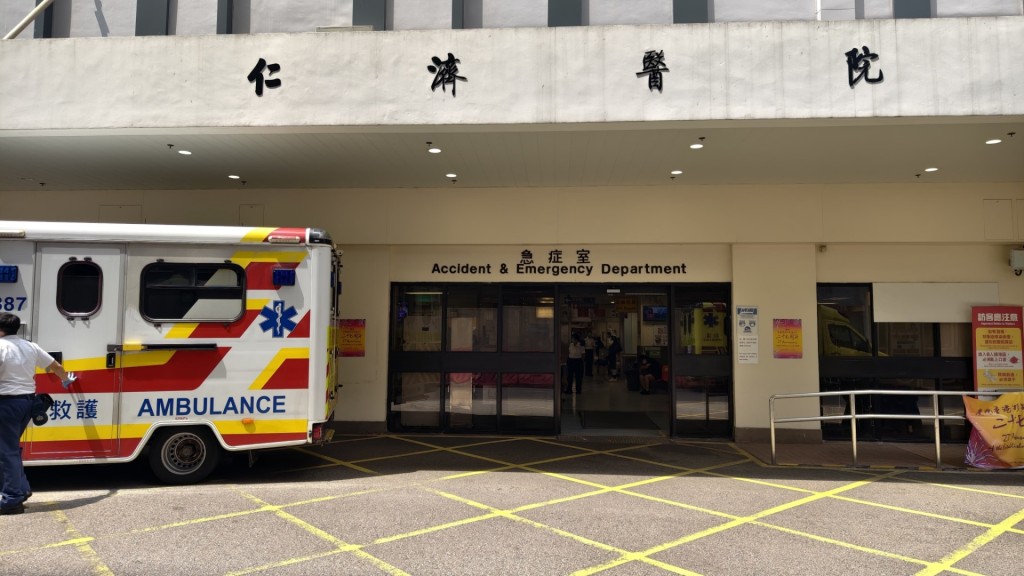
New public healthcare charges will be implemented in three phases starting as early as January next year, sources said, indicating accident and emergency services will have a single charge of no more than HK$400, with waivers for critical and emergency patients.
Secretary for Health Lo Chung-mau is set to announce the details of the reform on Tuesday noon, it is understood that a cap on inpatient and outpatient charges is expected, likely set at HK$10,000 per person annually.
Sources noted that the overall public healthcare funding rate will be maintained at 90 percent after reforms, underscoring the government’s continued financial commitment and consideration of public affordability.
Also, sources said the reform aims to enhance patient protection by optimizing the medical fee waiver mechanism, capping inpatient and outpatient charges, and strengthening support for critical illness medications and equipment.
Regarding the optimization of the medical fee waiver mechanism, it is known that asset and income criteria will be relaxed, allowing public housing tenants to qualify for the waivers.
Sources revealed that the new cap on inpatient and outpatient charges will be calculated annually. For example, a stroke patient needing hospitalization, surgery, and rehabilitation can apply to the HA for a waiver of costs exceeding the cap.
Additionally, the Samaritan Fund will ease its application criteria, including asset limits, to ensure that even middle-class patients facing high treatment costs have access to assistance, sources said.
According to sources, all additional revenue generated from these fee reforms will be fully reinvested into strengthening public healthcare services.
Meanwhile, the Hong Kong College of Emergency Medicine and the Hong Kong Society for Emergency Medicine and Surgery said in a joint statement that the government should execute the Primary Healthcare Blueprint with the strengthened concept of “family doctor for all.”
They also emphasized the importance of raising public awareness and understanding of common health issues, particularly medical emergencies.
This would empower individuals to make informed decisions and have more flexibility in selecting alternative non-urgent consultation options based on their specific conditions.
(Cheng Wong)