Read More


Night Recap - May 29, 2026
4 hours ago




Hong Kong a conduit for mainland, French firms
26-05-2026 06:00 HKT
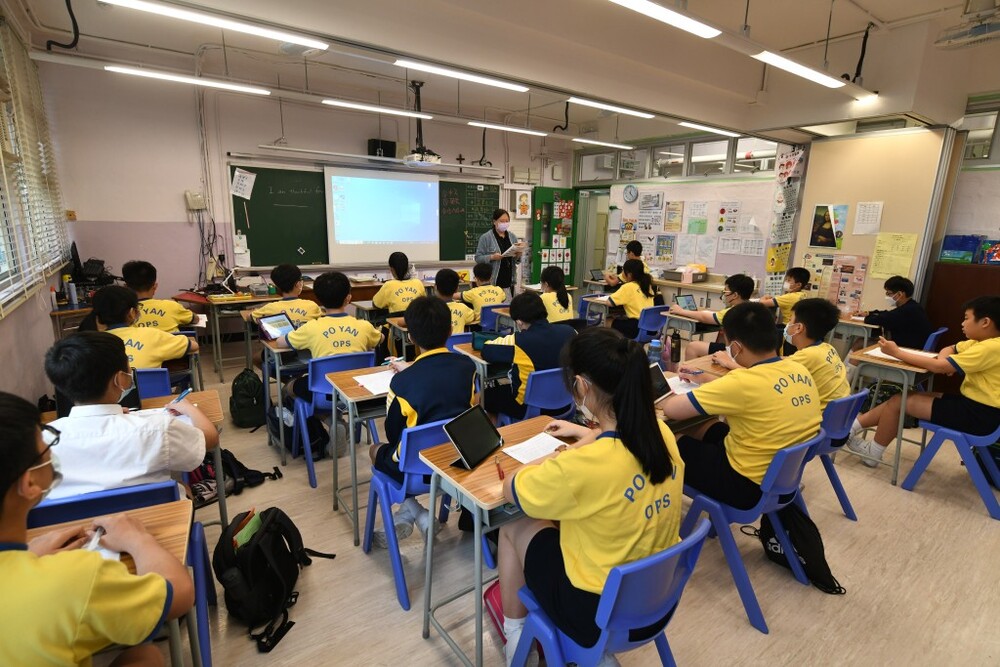
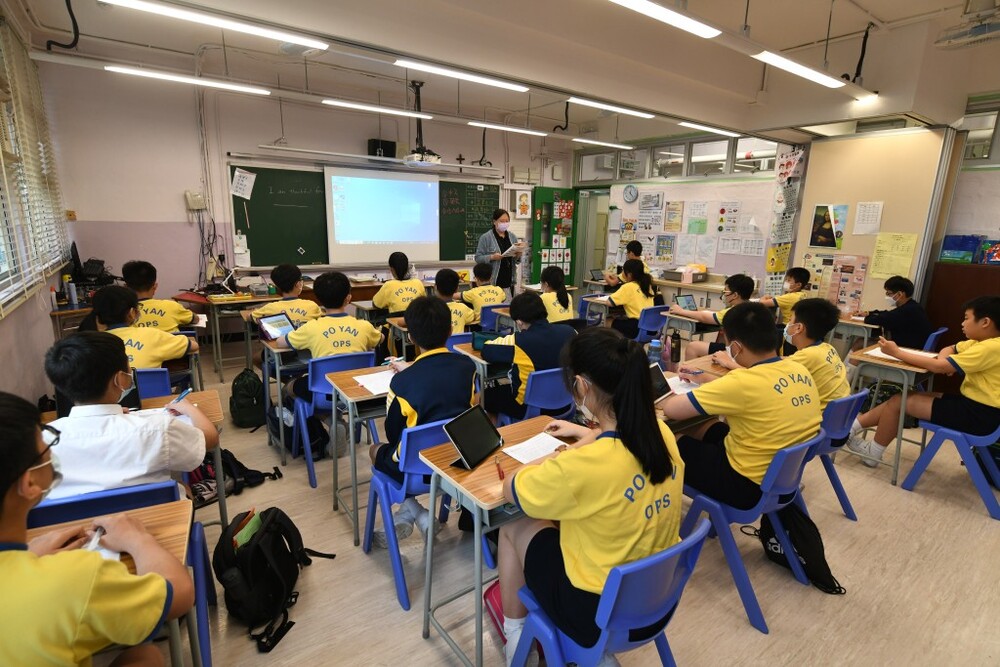
As the government is considering cuts to its expenditure for the upcoming budget plan, the education sector said apart from the potential reductions in university funding, the annual HK$2,500 subsidy provided to nearly 800,000 students across Hong Kong is likely to go on the chopping block.
The non-means-tested one-off student grant of HK$2,500 has been provided to eligible students from secondary day-school, primary, kindergarten and special students since 2019 to reduce parents’ financial burden in covering education expenses.
The estimated savings from slashing the subsidy could reach close to HK$2 billion annually, according to evaluations from the education sector.
With the government grappling with a substantial budget deficit, discussions have arisen regarding adjustments and consolidations in funding related to basic education.
In addition to the proposed cuts in university funding, it is understood that the HK$2,500 student subsidy stands out as one of the potential targets for adjustment.
According to official documents, the subsidy is non-means-tested and has been standardized since the 2020/21 academic year, having been distributed continuously for five academic years.
Based on the student population statistics for the 2023/24 academic year released by the Education Bureau, there were a total of 799,025 students in primary and secondary schools, kindergartens, and special schools across Hong Kong in 2023. Calculated based on all students receiving the HK$2,500 student subsidy, the total annual expenditure by the government for distributing this subsidy amounts to nearly HK$2 billion.
Chairman of the Education Convergence, Choy Sai-hung, also a primary school principal, emphasized the importance of financial prudence in addressing the government's fiscal challenges.
He suggested that targeted assistance, such as through comprehensive social security and textbook subsidies, could offer financial support to students from disadvantaged backgrounds.
Choy also highlighted the need to reassess funding for schools, including programs like the mainland China exchange initiatives, proposing potential reductions in subsidies for primary and secondary school students participating in cross-border exchanges.
Wong Kam-leung, chairman of the Hong Kong Federation of Education Workers, meanwhile, emphasized the need for a more focused and needs-based approach to allocating educational resources, particularly in the case of subsidies without income assessments.