Read More
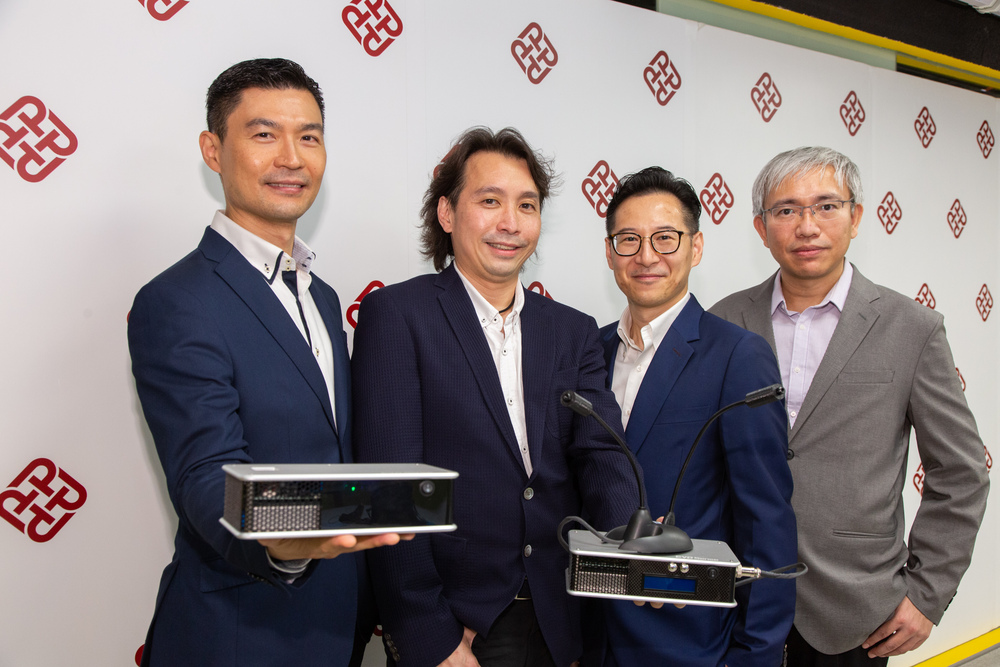
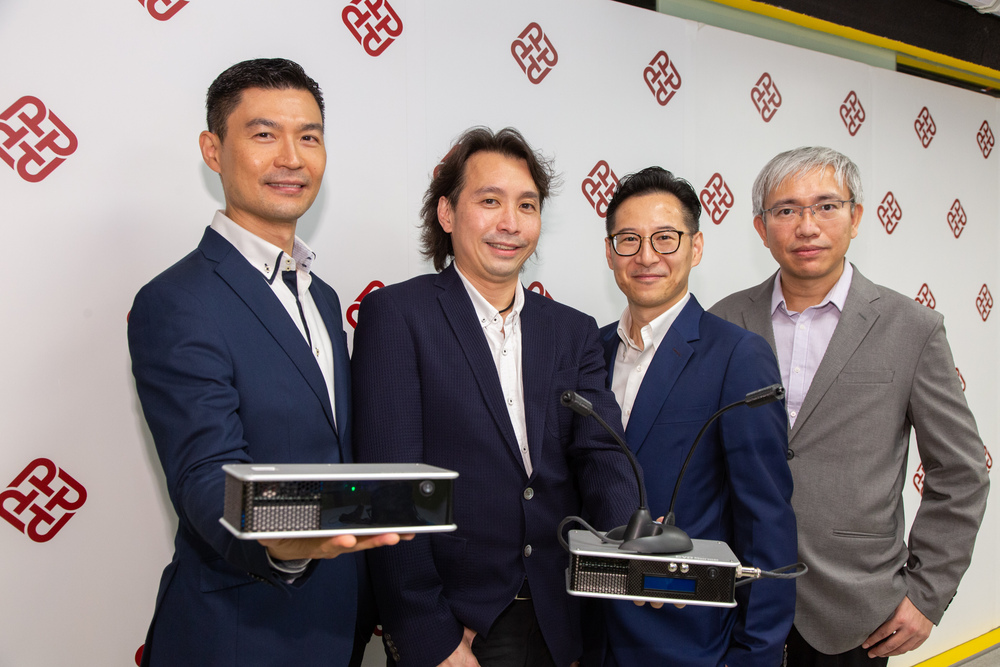
Polytechnic University has developed an air-monitoring device that can help operators of malls and other places identify high-risk areas for virus transmission or pollutants.
ADVERTISEMENT
SCROLL TO CONTINUE WITH CONTENT
The system assesses hazards in a given space and allows people to monitor conditions by smartphones or computers.
It also has a "airborne pathogen tracing/dispersion" facility to simulate how a virus would spread and help locate high-risk areas.
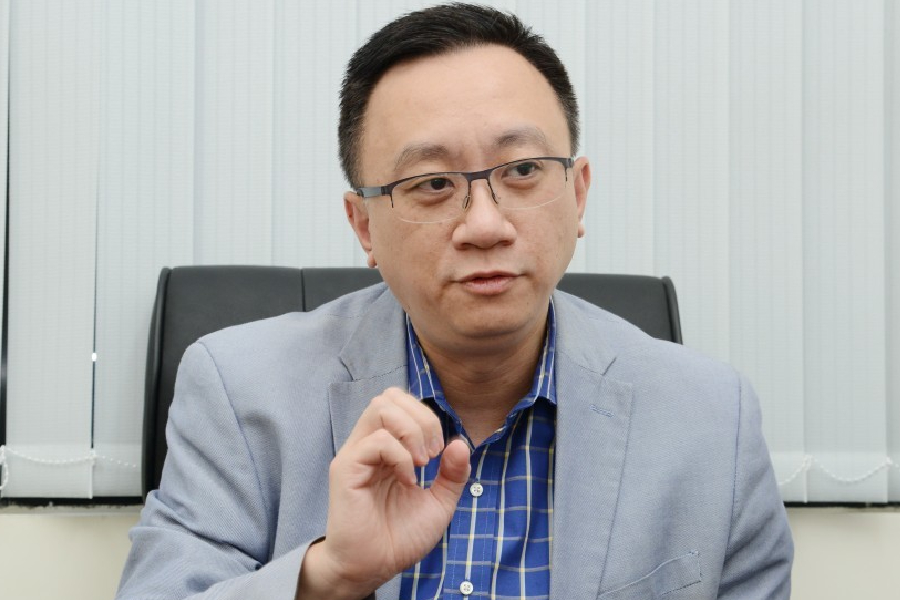
Associate professor of building services engineering Horace Mui Kwok-wai said it analyzes airflow in a room after releasing a tracer gas so "people will be able to find the origin of the virus and pollutants."
It zeroes in on places where viruses and pollutants tend to gather.
Mui said the system can also be used in places such as eateries and markets.
Then people such as restaurant operators can locate dangerous areas and enhance ventilation. The device will be five or six times faster than traditional sample-collecting and analyzing work. That means results being available within two hours, Mui said.
And it will require less manpower as all required data is uploaded online for analysis automatically.
Mui said the project received HK$1.5 million in government funding, and he hopes it can help health authorities track coronavirus dispersal and control its spread.
It can also help people monitor indoor air quality in homes using their phones.
For example, Mui said, it can detect concentrations of carbon dioxide and other pollutants in a room.
Users can scan the QR code attached to the machine using a mobile app and receive an air report.
Building managers and engineers can also use the system together with an energy consumption monitor for savings.
Joseph Chan Ping-tak, head of campus sustainability office, said the study began in 2018 and the new system has been tested at around 30 test points on the campus, including offices, libraries, and restaurants.
Chan hopes to set up another 500 test points next year to carry out further studies on air quality and energy efficiency.