Read More



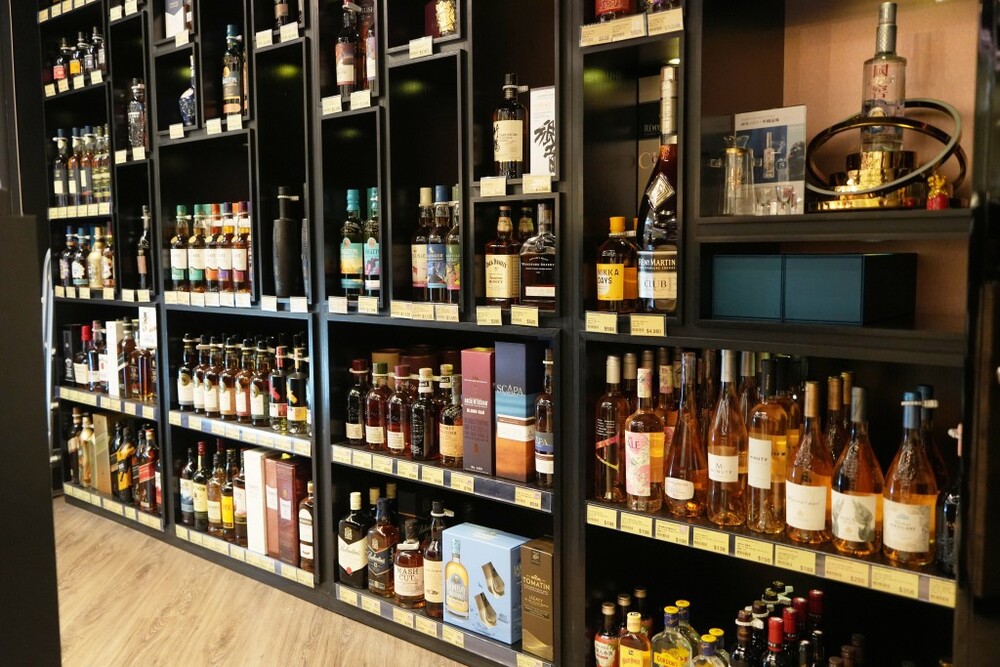
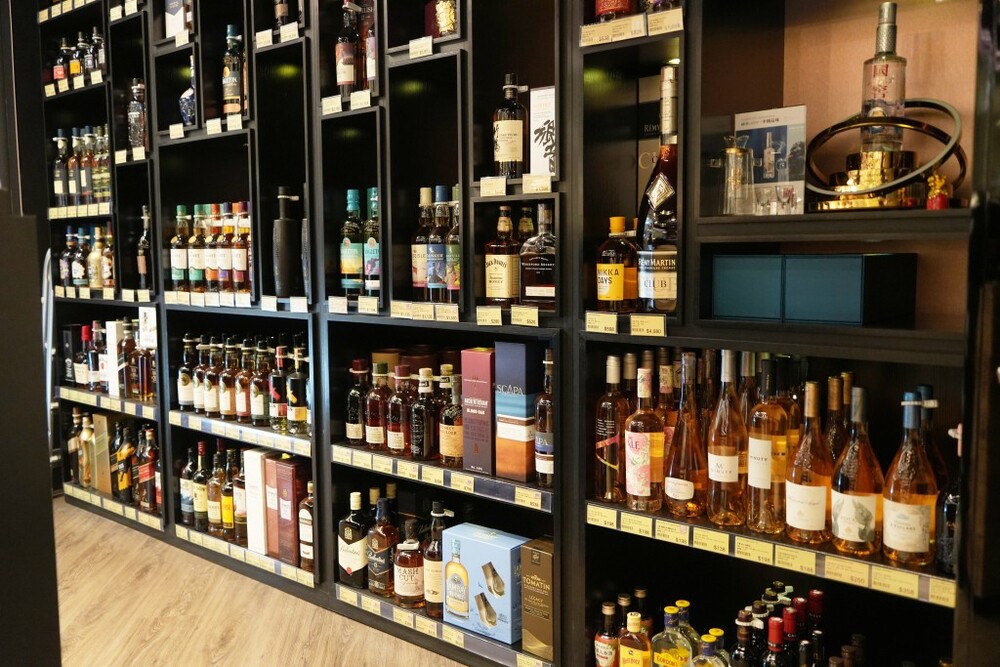
The government sources indicated that despite reducing the tax to 10 percent on strong liquor with an import price of over HK$200, there is no expectation of a significant surge in demand for luxury spirits.
The premium products, most affected by the tax reductions, are generally purchased by consumers who are less sensitive to price changes, the sources added.
This comes after the Chief Executive John Lee Ka-chiu announced during the Policy Address that Hong Kong will reduce the liquor tax rate to 10 percent from the current 100 percent for certain liquors to boost the liquor trade.
The duty rate for liquor priced at or below HK$200 remains unchanged.
According to a social media post by the Commerce and Economic Development Bureau, approximately 84 percent of duty-paid liquor (in liters) imported into Hong Kong is priced below HK$200.
For other imported liquors priced above HK$200, which are considered high-class, an increase in demand and prices may be expected, but not a sharp rise.
Sources said that consumer habits have remained relatively stable, and overall alcohol consumption among citizens is not expected to rise significantly as they are generally purchased by consumers who are less sensitive to price changes.
During the Policy Address TV forum in the evening, Lee restated that the government is not encouraging citizens to drink regardless of whether it is red wine or spirits.
He emphasized that the policy for targeting liquor with an import price of over HK$200 strives to balance facilitating trade and discouraging excessive alcohol consumption.
According to government data, per capita alcohol consumption in Hong Kong increased from 2.53 liters in 2005 to 2.79 liters in 2008. However, it dropped to 2.6 liters in 2009 following the abolition of the red wine tax.
From 2012 to 2018, consumption fluctuated between 2.8 and 2.87 liters. By 2023, it had decreased to 2.24 liters, which is not only below the level before the red wine tax was abolished but also 15 percent lower than in 2007.
Financial Secretary Paul Chan Mo-po explained that the adjustment of the liquor tax aims to encourage the trade of high-class liquors and the development of other related high-value-added industries while balancing social concerns about drinking and health. The tax rate for most liquor on the market remains at 100 percent.