Read More

Night Recap - May 27, 2026
6 hours ago

Hong Kong a conduit for mainland, French firms
26-05-2026 06:00 HKT


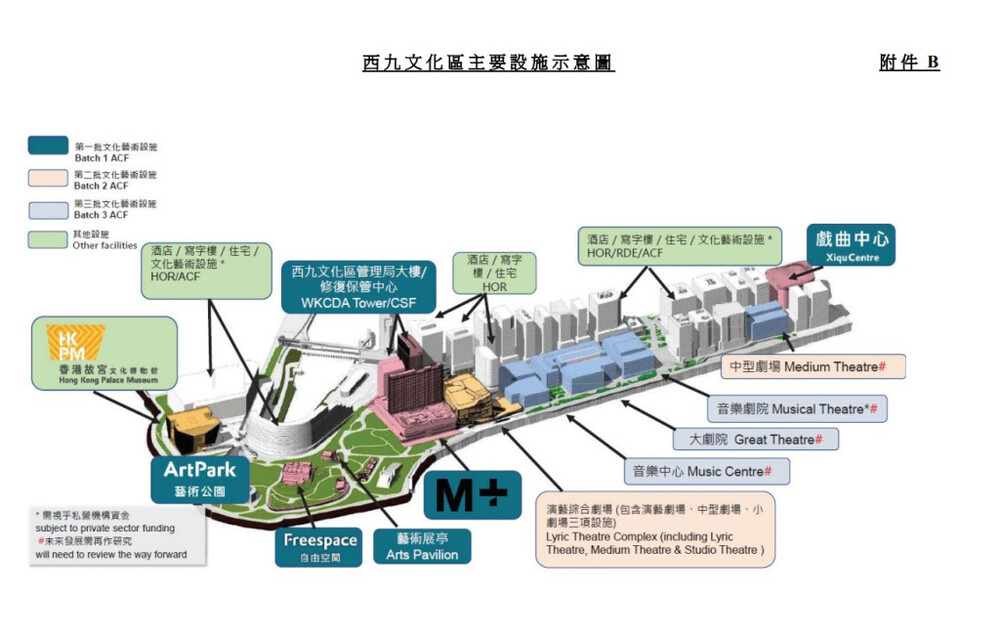
The Executive Council has conditionally approved a proposal by the cash-strapped West Kowloon Cultural District to revamp its finances by selling residential property rights as the revenue raised is expected to support the district’s operations for another decade.
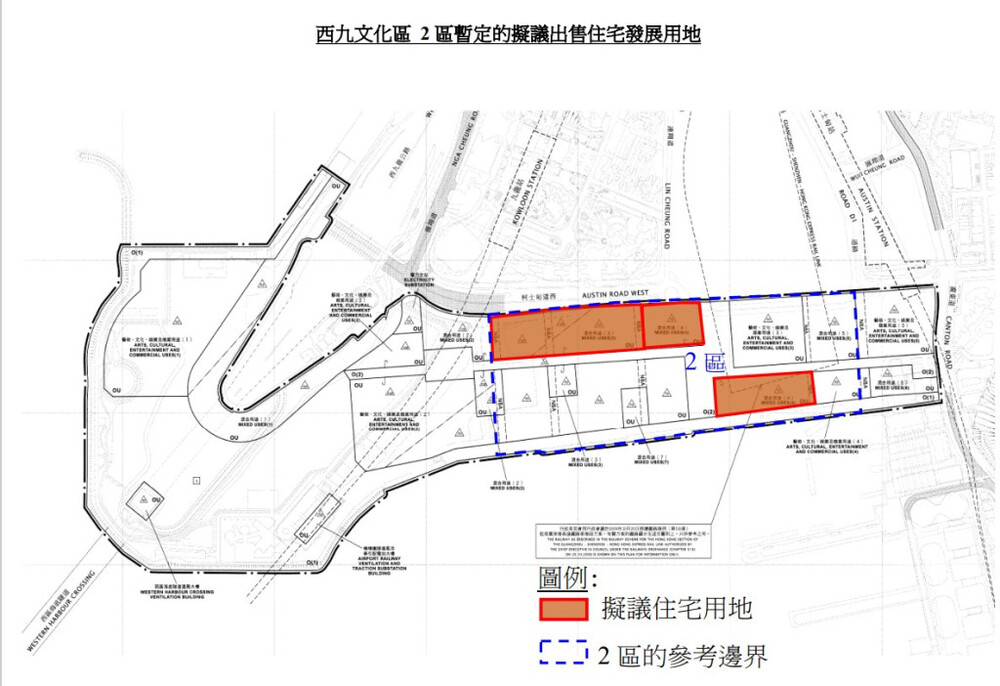
Under the relaxed arrangement, the sale of residential developments in Zone 2 of the district is allowed and the district is no longer required to develop the area under the “Build, Operate and Transfer” (BOT) model.
The total floor area of 170,280 square meters for residential development previously permitted remains unchanged.
“The incomes received from the tenders awarded to private developers will enable West Kowloon Cultural District Authority to meet its operational deficit and capital expenses for about 10 years,” according to an official statement.
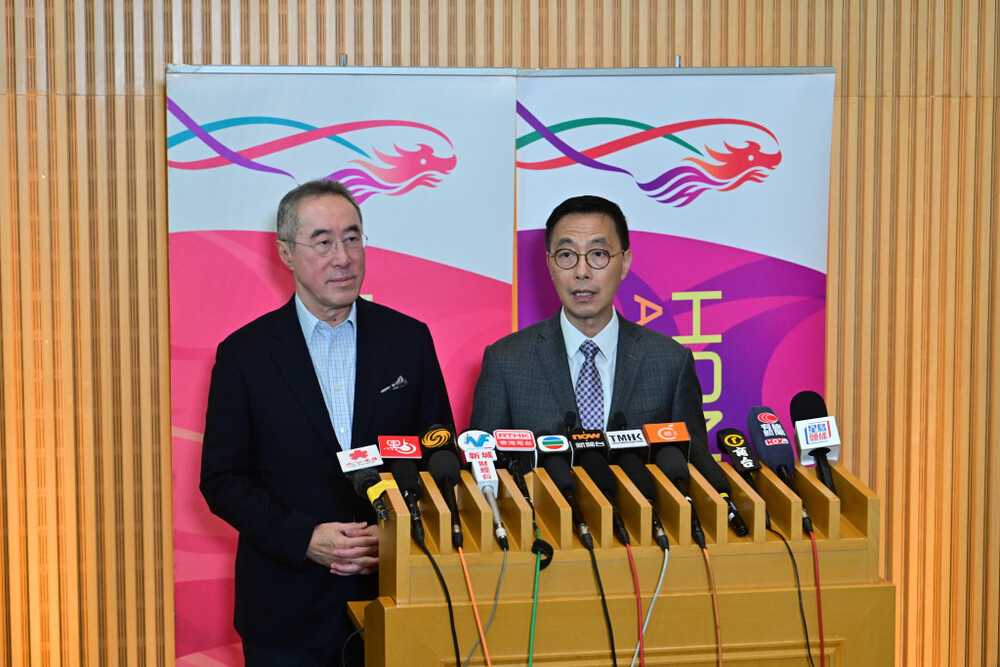
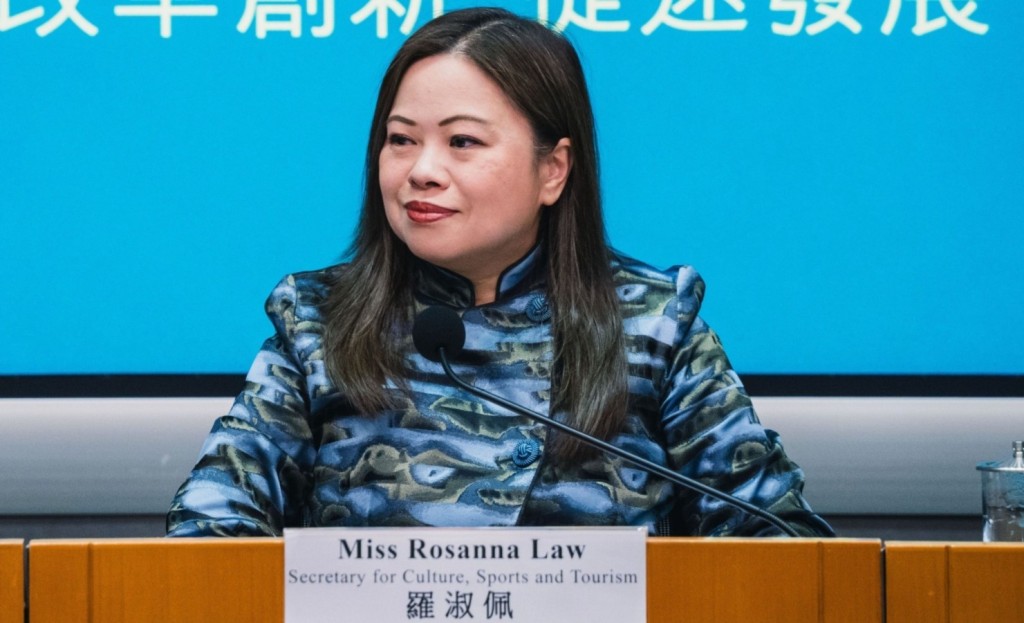
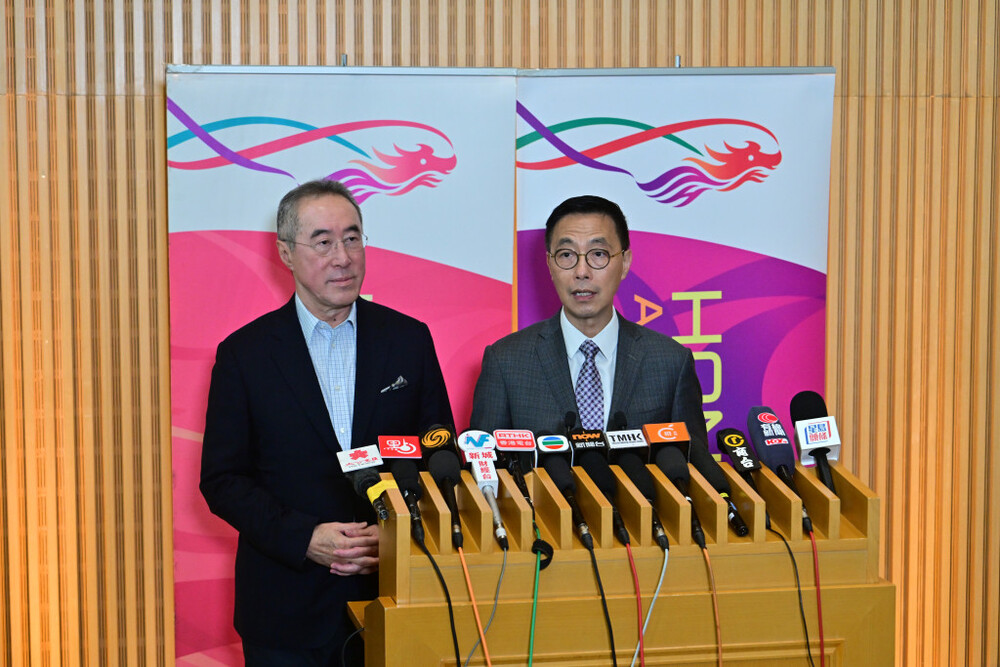
Speaking to reporters on Wednesday, Secretary for Culture, Sports and Tourism Kevin Yeung Yun-hung said the district must comply to a number of conditions, such as setting up a separate bank account to store the revenue and interest generated from the sale.
The district must also stringently follow multiple key performance indicators designed by the government, including the ceiling of financial deficit every three years and the ratio of staff costs to the overall operational costs.
Yeung hopes the relaxation this time can help the district tackle its cash liquidity issues and said his bureau will maintain close communication with the district and support the district to realize long-term fiscal sustainability.
The district’s board chair Henry Tang Ying-yen extended gratitude to the ExCo and the Chief Executive for providing West Kowloon with financial conditions for future operations without further burdening the treasury.
Tang noted that the plans made in 2016 were all theories, such as opening the Art Park for free in 2018. The district also loaned part of the land to the MTR Corp for seven years to dispose of the soil from the construction of the High Speed Rail, during which not one profit-making cultural project was completed, leading the capital chain to break.
Tang expects the district will only call for tenders for the residential development in two years at minimum, hoping the city’s economic environment will have improved in the meantime. Otherwise the district will face grave difficulties, Tang noted.