Read More




Morning Recap - September 17, 2026
5 hours ago




Four arrested over Pokémon card scams involving $101,000
15-09-2026 18:26 HKT
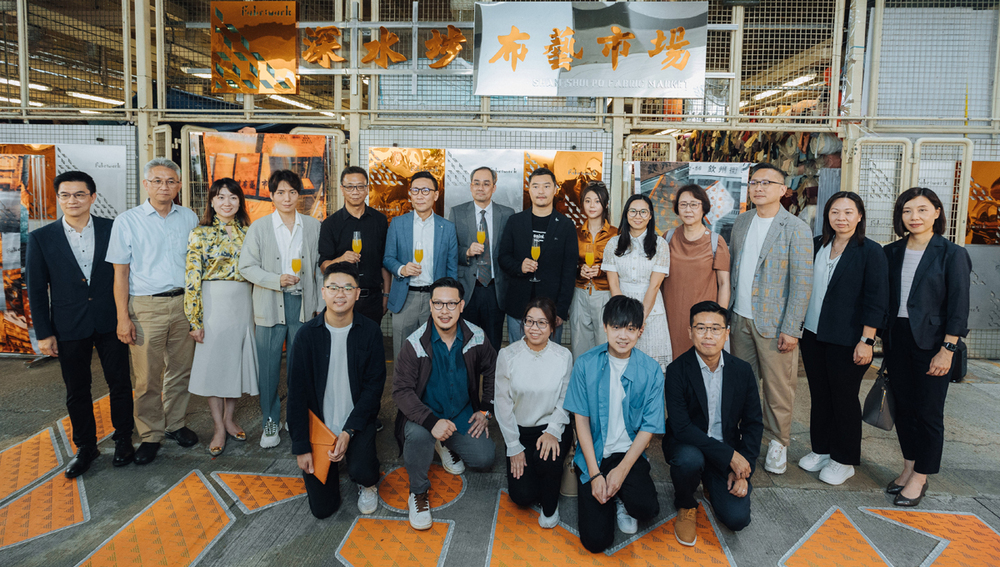
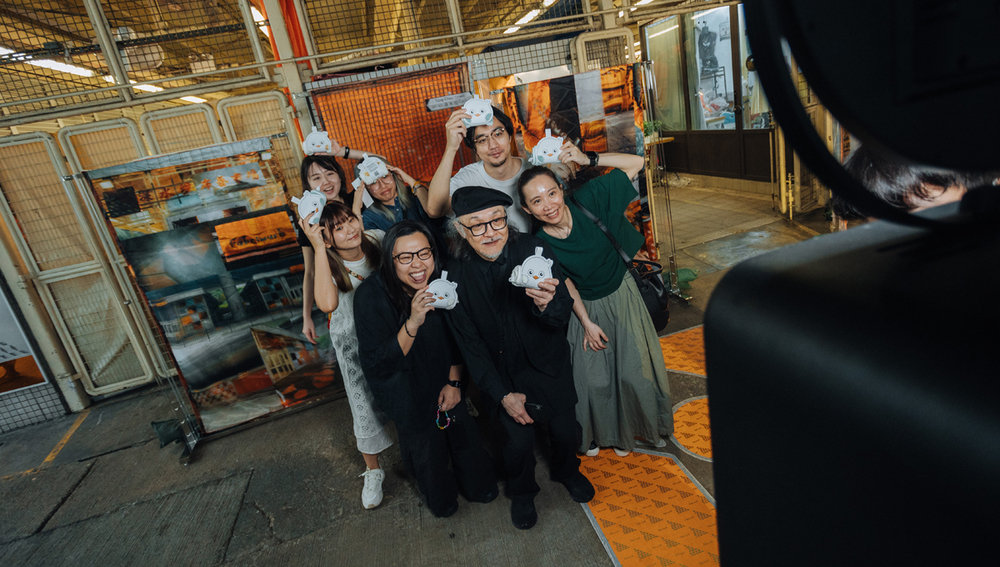
In a collaborative endeavor, the Sham Shui Po District Office and the non-profit organization Young Creative Force have invited local designer Frances Minji to help breathe new life into the Sham Shui Po Fabric Market through a creative redesign. An opening ceremony was held on May 23 to unveil the project ‘Fabrimark’, which was attended by guests and stakeholders from various sectors of society.
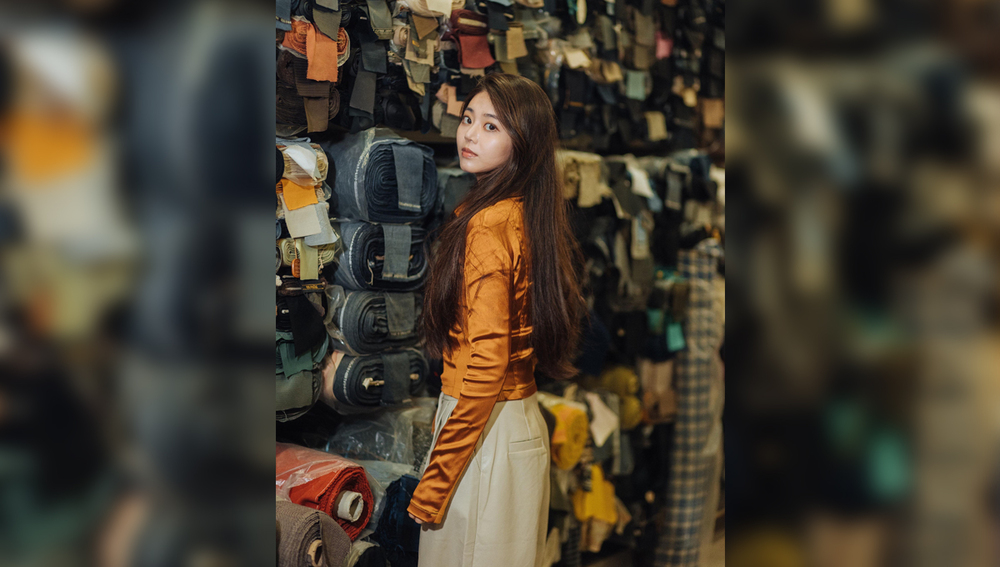
Originally established in 1978 on Yen Chow Street, the ‘Pang Jai’ hawker bazaar served as a popular center for fabric merchants and tailors for more than four decades. Last year, it was relocated to the Tung Chau Street Temporary Market, which is situated next to the Hong Kong Design Center, set to open in the fourth quarter of this year. The market has been operating for more than a year now, featuring over 50 stalls offering a wide range of fabrics and textiles, including 16 original operators from its previous location.
“We hope the revitalisation can attract more people to visit the market and explore the district,” said district officer Paul Wong Yan-yin. “It also serves as a prelude to the upcoming opening of the new Hong Kong Design Center.”
The current plan is for the design to be in place for nine months. However, its duration may be extended to the end of next year, depending on plans with the design center. “By leveraging Sham Shui Po’s traditional strengths and fostering a creative environment, the goal is to encourage and engage youngsters who are interested in the dynamic industry of fashion and design,” noted Wong.
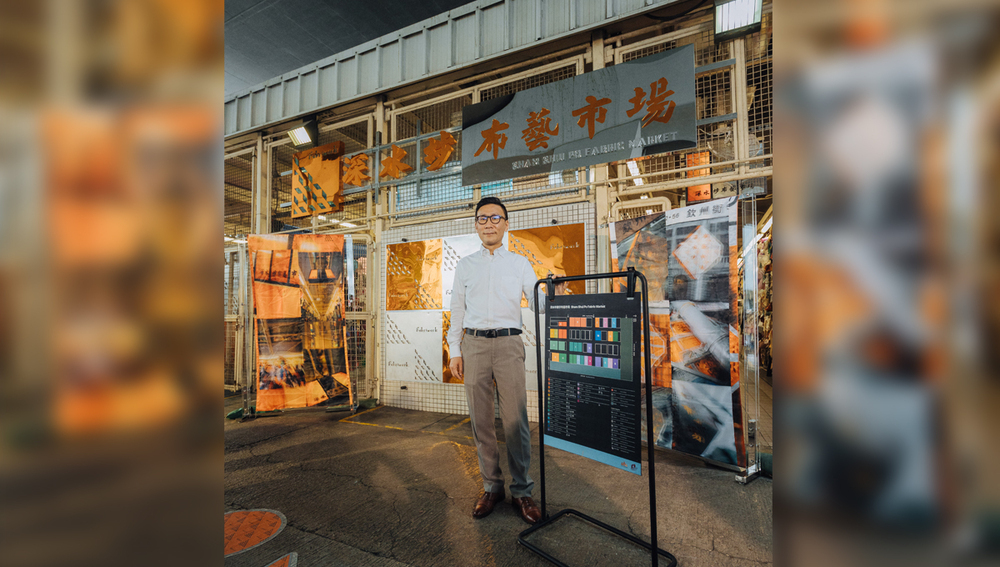
Combining the words Fabric and Landmark, the design project ‘Fabrimark’ signifies the integration of fashion, design, and creative industries within the district while celebrating its heritage in the city’s fabric industry. The project brings together a collection of installations that consistently feature a warm burnt orange shade, creating a cohesive and visually appealing experience in the market.
“The choice of sunburst orange has a dual meaning,” said designer Frances Minji. “Some may view the fabric business as a sunset industry, but with the upcoming presence of the Hong Kong Design Centre from across, it symbolizes a sunrise, a new beginning for Hong Kong’s fashion design.”
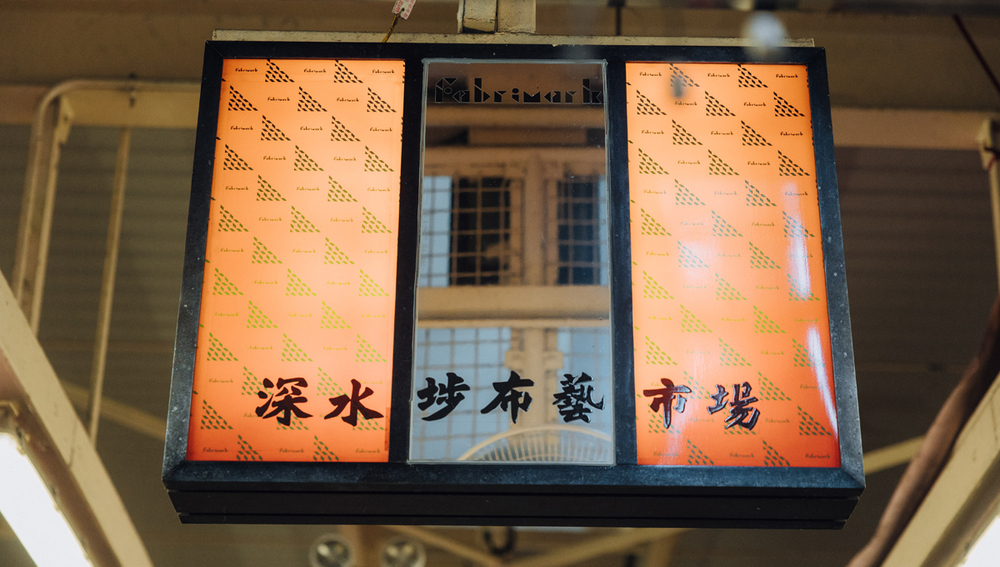
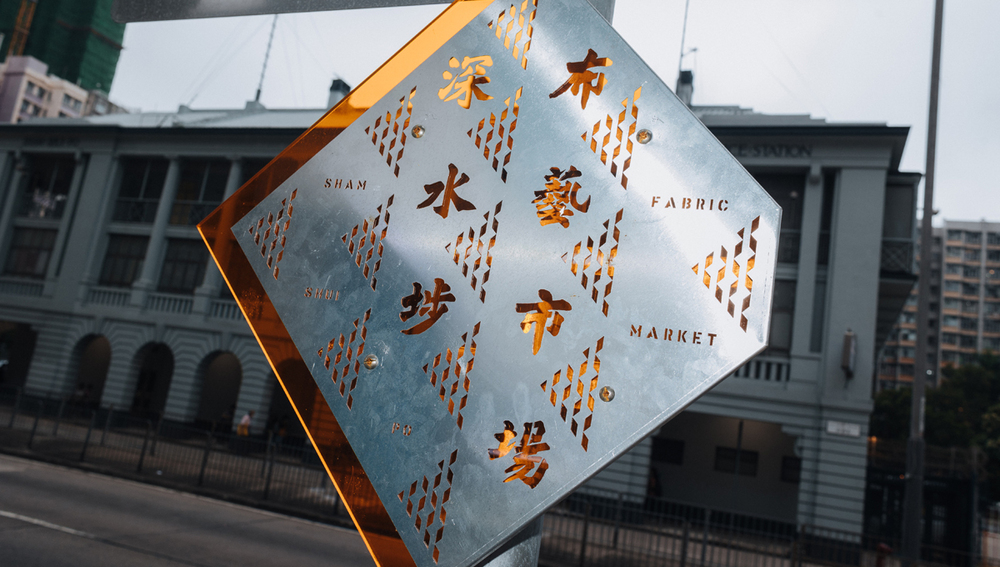
At the entrance, visitors are greeted by a prominent sign of the market adorned with the burnt orange hue. With the Chinese words designed by local calligraphy master Yeung Kai, the sign serves as a centerpiece that sets the tone for the transformed space. Moving through the market, ceiling light boxes illuminated with the orange glow cast an inviting ambience over the stalls below.
“I drew inspiration from the historical architecture and patterns found in the area, such as old-style iron gates, floor tiles, walls, roofs, and even vintage mailboxes and street signs,” Minji said. “When I first visited the site, I noticed the glass curtain wall of the new Hong Kong Design Center reflects the sunset’s golden-orange light onto the fabric market. This intriguing interplay of colors reminded me of the diverse fabrics available in the market, and prompted me to choose the concept of ‘reflection’ for my design.”
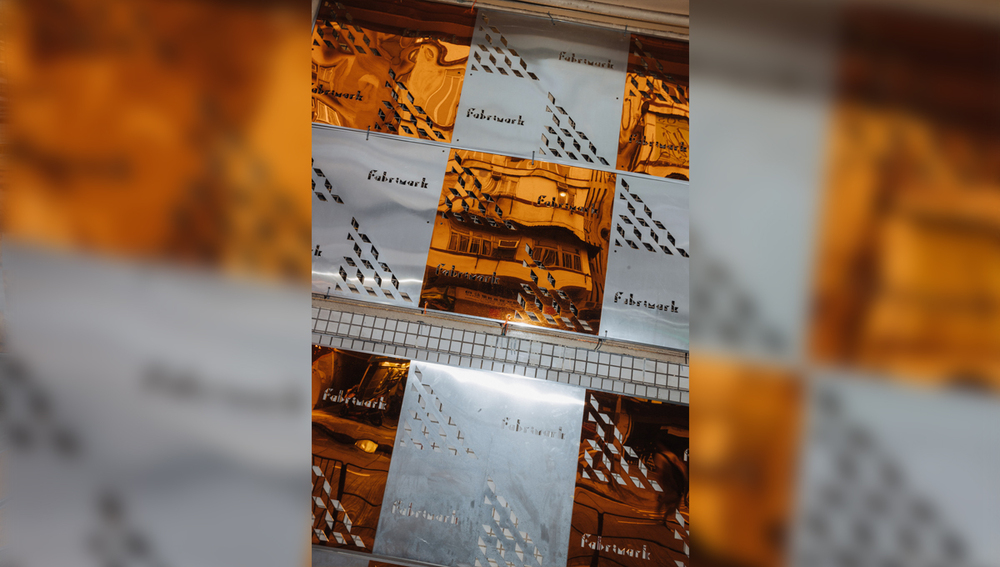
Minji believes that the fabric market, with its 45-year history in Sham Shui Po, reflects the local fashion design community’s enduring significance over the years. To capture this spirit, she incorporated stainless steel and acrylic to create patterns resembling old-style iron gates.
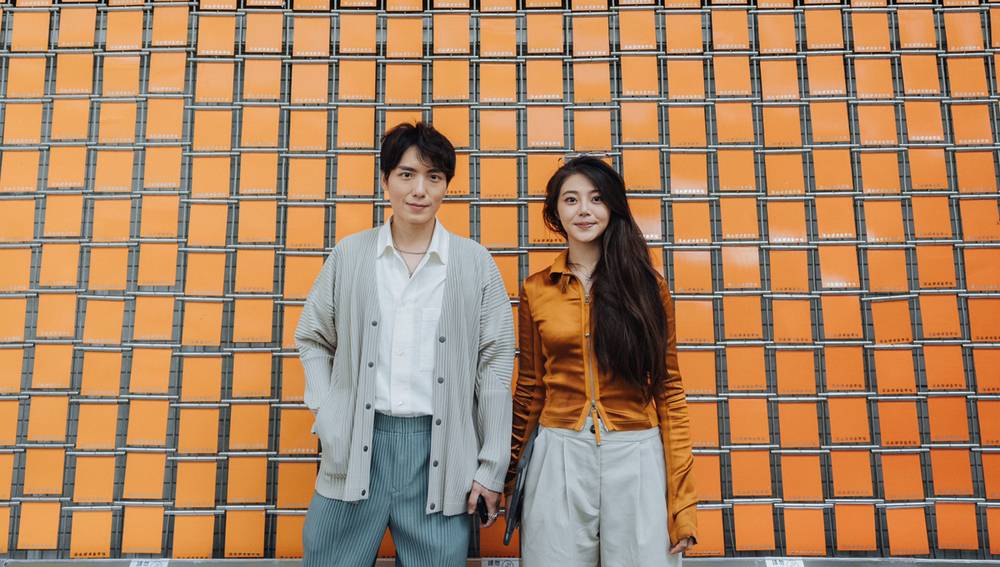
Another highlight is the kinetic wall on the exterior of the market. Inspired by the fabric samples commonly used by fabric vendors, the wall is composed of a thousand small metal plates, showcasing a gradient of orange hues ranging from light to deep shades. As the wind blows, the kinetic wall comes alive and creates a dynamic visual spectacle. “Each mirrored panel represents different eras and people of Sham Shui Po, so the reflection of the city and the community is the theme of the design,” she explained.
“The fabric market is not merely a destination for purchasing fabrics; it offers an immersive experience that goes beyond transactions. I hope people would visit the market not only to buy fabrics but also to cherish memorable moments and take a selfie,” said Leslie Fok, director of Young Creative Force and curator of Fabrimark.
“Fabrimark aims to transform Tung Chau Street into a new landmark, attracting local and overseas designers and visitors,” he added. “We plan to organize various events in the market and the surrounding area, fostering cultural exchange between East and West, stimulating economic development, and revitalizing the community’s image.”