Read More







Morning Recap - September 17, 2026
6 hours ago





Four arrested over Pokémon card scams involving $101,000
15-09-2026 18:26 HKT
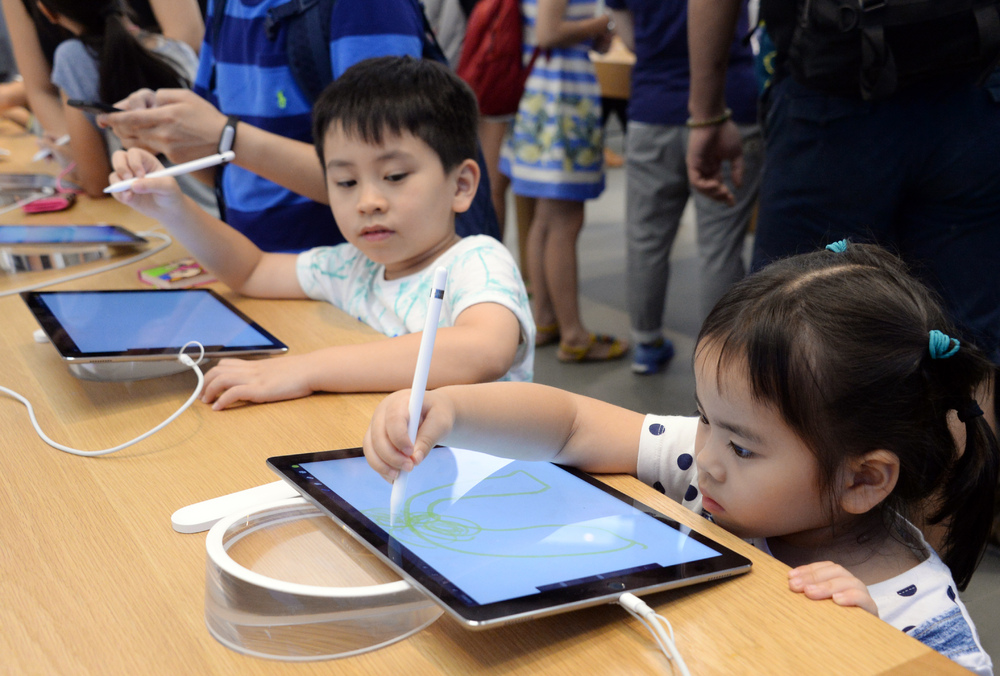
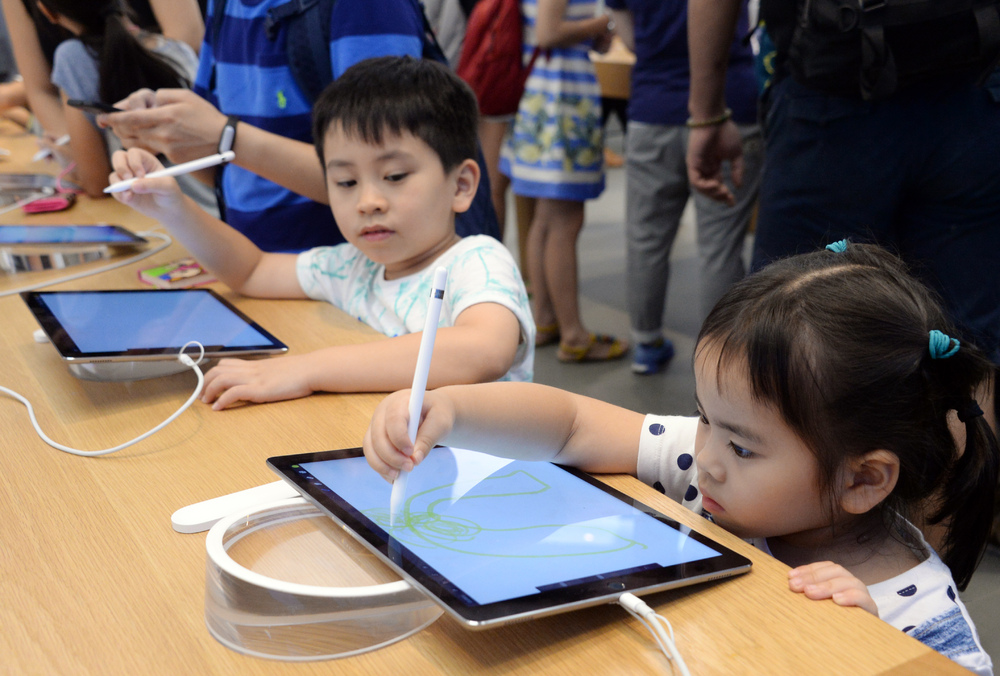
Students who brought their electronic devices to class prior to the Covid-19 school suspension were able to keep up with learning progress during it, a joint study by two local universities has found.
Conducted by the University of Hong Kong and the Hong Kong University of Science and Technology, the study interviewed more than 6,000 students, parents, teachers and school executives from 53 secondary and primary schools in June and July.
Results showed that schools with existing e-learning systems were able to quickly switch to complete e-learning after the class suspension. Teachers and students were more confident in online teaching and learning as they were familiar with the approach.
Of the respondents, 8 percent of secondary schools and 47 percent of primary schools had previously implemented the bring your own device scheme, which encourages students to bring personal mobile computing devices to school for learning.
"Students from classes that adopt BYOD view their tablets as learning tools whereas students from non-BYOD classes see the devices as entertainment. Therefore, students from non-BYOD classes are not as focused as the former," said Kim Wai-ming, principal of HKSKH Bishop Hall Secondary School.
"BYOD scheme students can complete their class assignments with the tablets and stylus pens given and receive immediate feedback from teachers, which is similar to face-to-face teaching," he added. "However, this cannot be done in non-BYOD classes and teachers have to use other methods such as WhatsApp to help them."
Kim said he intends to adopt BYOD for all classes in the coming school year to better facilitate online teaching.
The study also revealed the cumulative negative effects on disadvantaged students due to socioeconomic and digital divides. It was found that students from lower socioeconomic status backgrounds expressed higher levels of concerns on their school examination results and learning progress, compared to more privileged counterparts.
Fifteen percent of parents interviewed lowered their expectations of their children's academic attainment after the school suspension periods, with many being parents from lower-income families as lower levels of home-based involvement with their children's education were reported.
"The government and society should help those less privileged students, including offering tablets for them before school commencement," said Nancy Law, deputy director of the Centre of Information Technology in Education at HKU.
Meanwhile, Charles Chan Kin-hung, executive director of the Boys' and Girls' Clubs Association of Hong Kong, said the government should set a standard for schools on online learning management systems.