Read More


Night Recap - May 27, 2026
4 hours ago



Hong Kong a conduit for mainland, French firms
26-05-2026 06:00 HKT
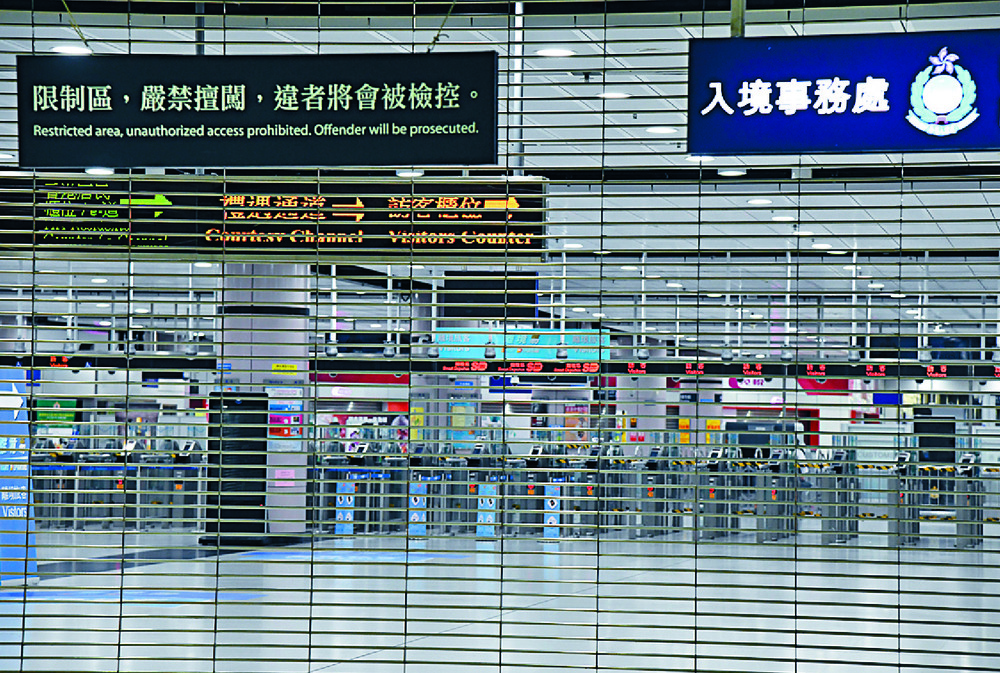
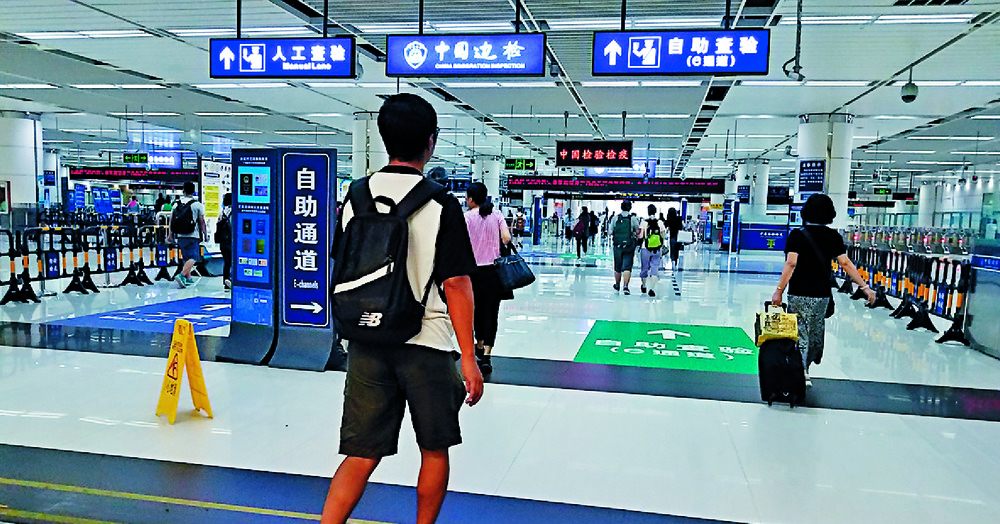
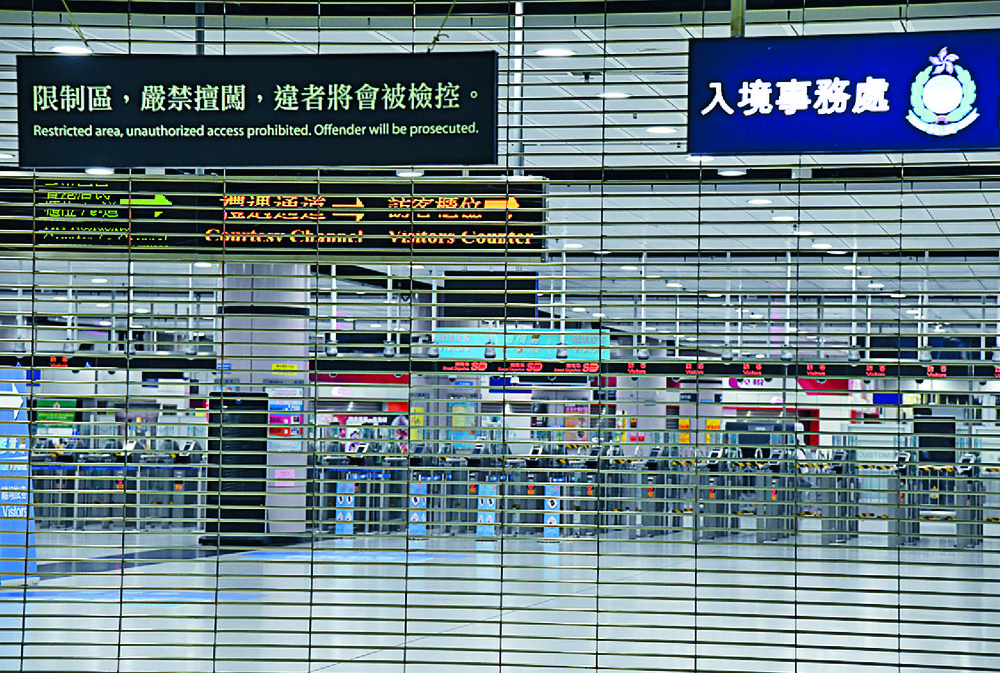
Lok Ma Chau and Huanggang border points could reopen as soon as next Monday as Hong Kong finally launches its health code system to ease cross-border travel to Guangdong, but delays the system for Macau, a source says.
Two weeks ago, state-owned China Central Television said a system to waive the 14-day mandatory quarantine for the Covid-19 pandemic among Hong Kong, Macau and Guangdong would be announced within that week.
But the source said the announcement was held back after Beijing saw a new wave of transmissions around Xinfadi food wholesale market and Hong Kong's fresh infection cluster at Luk Chuen House in Sha Tin. Yesterday was the SAR's 10th consecutive day without any local infections, the source said, and so the health code system is expected to launch next week with a weekly quota of 2,000 to 3,000 necessary travelers - businessmen owning factories or listed companies on the mainland, cross-border drivers, students and medics.
The SAR has closed all borders except the Hong Kong International Airport, Hong Kong-Zhuhai-Macao Bridge and Shenzhen Bay port since February 8.
For travelers with health codes, commonly used Lok Ma Chau will be reopened from 8am to 10pm every day and Huanggang on specific time slots instead of 24 hours, the source said.
But in the first phase of the health code system, quarantine is only waived for travelers between Hong Kong and Guangdong but not in Macau because of lower demand there, the source said.
The Hong Kong Government has partnered with eight private hospitals and laboratories for Covid-19 tests to generate the health code for eligible citizens.
Offering the tests from HK$1,500 to HK$3,000, they are Hong Kong Sanatorium and Hospital in Happy Valley, Union Hospital in Tai Wai, Gleneagles Hospital in Wong Chuk Hang, the Adventist hospitals in Tsuen Wan and Wan Chai, PathLab Medical Laboratories, Hong Kong Molecular Pathology Diagnostic Centre and the Prenetics gene testing firm.
Applicants will have to go to these bodies for tests, where doctors will also evaluate their health condition and travel and contact history.
They and local health authorities will be responsible for generating Hong Kong health codes but they will only be valid for seven days after a test.
Before they cross the border, applicants also need to fill out an online form with their personal information and destination to convert the Hong Kong health code to a Guangdong one, which can be shown on cellphones to border-based immigration officers.
By scanning the code, officers will see the photograph, name and Covid-19 test date and results of the traveler and can waive their quarantine if all is well.
Chief Executive Carrie Lam Cheng Yuet-ngor said yesterday Hong Kong hoped to implement the system to allow quarantine-free travel as soon as possible but challenges remained.
"We have been working very hard to find a way to at least allow some essential travel to take place," Lam said before an Executive Council meeting.
"But now the problem is not just on our side because the mainland authorities have also imposed a 14-day mandatory requirement since the end of April. We have to find a way to overcome both sets of 14-day requirements before people can readily travel again."
The Democratic Alliance for the Betterment and Progress of Hong Kong called for the government to launch the health code system as soon as possible to allow people with trade, work, studies and humanitarian needs to cross the border.
It also asked the government to increase the quota gradually to allow more necessary travel to the mainland.
"The government should also increase Covid-19 test capacities and sponsor tests at private institutions to lower citizens' costs," it said.
Editorial: Cost for clean health code too high