Read More
Citywide coronavirus testing will begin on Tuesday, September 1, the government announced.
ADVERTISEMENT
SCROLL TO CONTINUE WITH CONTENT
Hong Kong leader Carrie Lam told the briefing that testing would be carried out for two weeks. Any resident can register online and go to one of the 150 swabbing stations across the city.
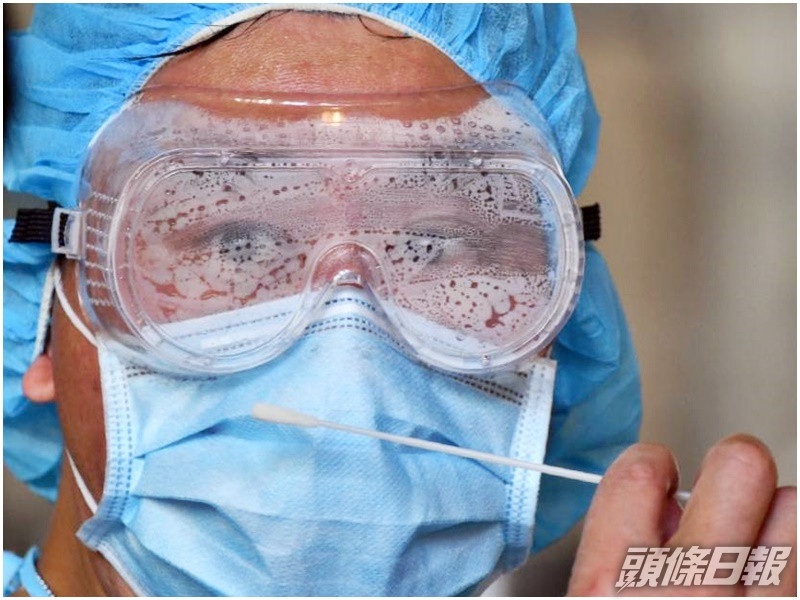
Private doctors, nurses, and dentists will collect samples through a mixture of nose and throat swab. Test results would be sent by text message.
The testing, targeting asymptomatic Hong Kong citizens, is part of the three initiatives by Hong Kong and Beijing's National Health Commission.
But health experts are divided in their opinions about the effectiveness of the mass testing.
Ho Pak-leung of the University of Hong Kong has likened it to a “wasting of bullets.”
Lam said Hong Kong has the capacity to identify patients regardless of any links to outbreak clusters such as nursing homes workers, taxi drivers, and supermarket and restaurant staff.
Even before the citywide testing was announced, some private laboratories had increased their capacity of testing to more than 10,000 per day, meaning most high-risk groups identified were able to undergo tests, Lam said.
Nip Tak-kuen, secretary for constitutional and mainland affairs, said children aged under 6 or those who suffered from pharynx illness aren’t suitable for the test.
The swabbing stations would operate from 8am to 8pm every day, with an hour break for disinfection.
He dismissed concerns that the test scheme would collect the DNA of people and send back to mainland.
“The tests will only be carried out in the city, and neither the personal details nor the specimen bottles will be sent outside the city,” Nip said.
As medics administering the test will be given a bottle with a barcode representing the subject, no one apart from the Department of Health will know identities of participants.
Health minister Sophia Chan Siu-chee said she hopes at least 5 million people to sign up for the test, though Lam stressed she didn't set a specific target in terms of the SAR's population.
“We do not have a target. I have to clarify the health minister was just mentioning a [5 million] capacity," said Lam.
"We are living in an abnormal social environment, whenever the government tries to do something, there will be people conspiring, smearing, trying to split up society," she said.
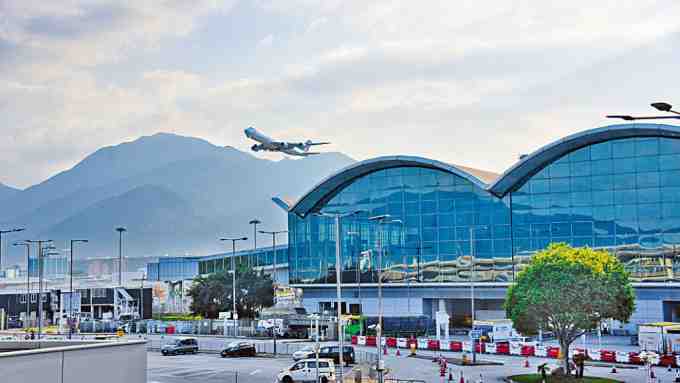
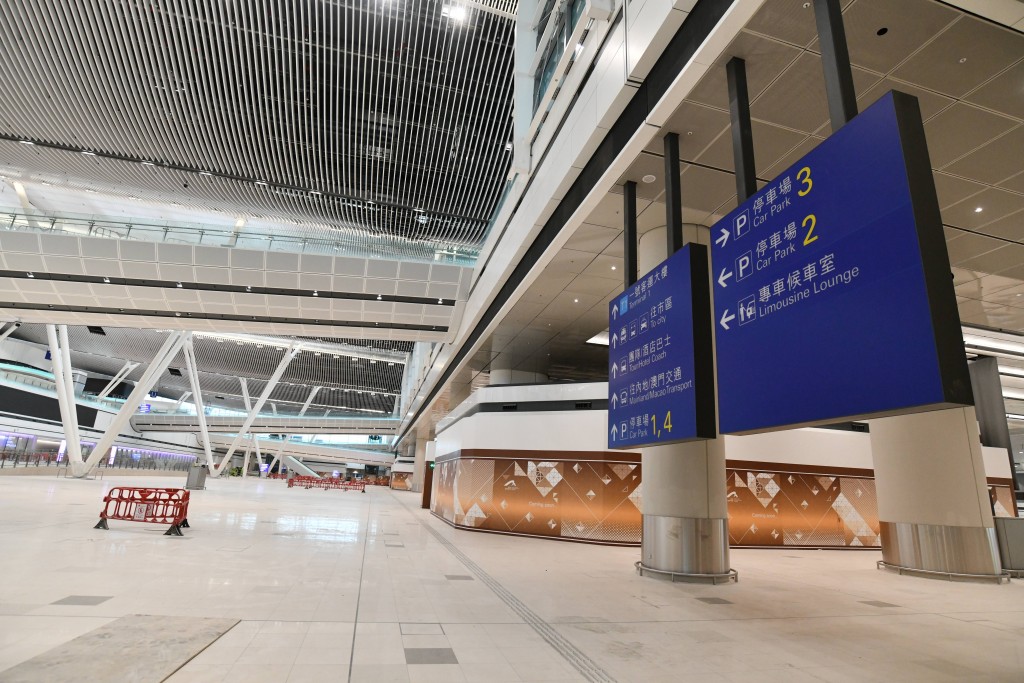
Health authorities would also be setting up a “mobile cabin hospital” to treat stable patients in AsiaWorld-Expo near the airport, which Lam said would provide 1,000 beds. The makeshift hospital would be completed in several weeks.
Lam also revealed that a two-story temporary hospital would be established at a 32,000 meter sq. site next to AsiaWorld-Expo, which would offer 800 negative pressure isolation beds.
“The temporary hospital would be built like general public hospitals, except it might not have operation rooms,” Lam said.
She thanked the central government its efforts and support to help carry out the initiatives.
The Secretary for Health, Sophia Chan Siu-chee, pledged to secure a coronavirus vaccine as soon as it becomes available via a worldwide procurement, now underway.
“We understand the virus will not be eliminated unless there is an effective vaccine, and we have reserved resources to procure vaccines from companies with potential,” Chan said.
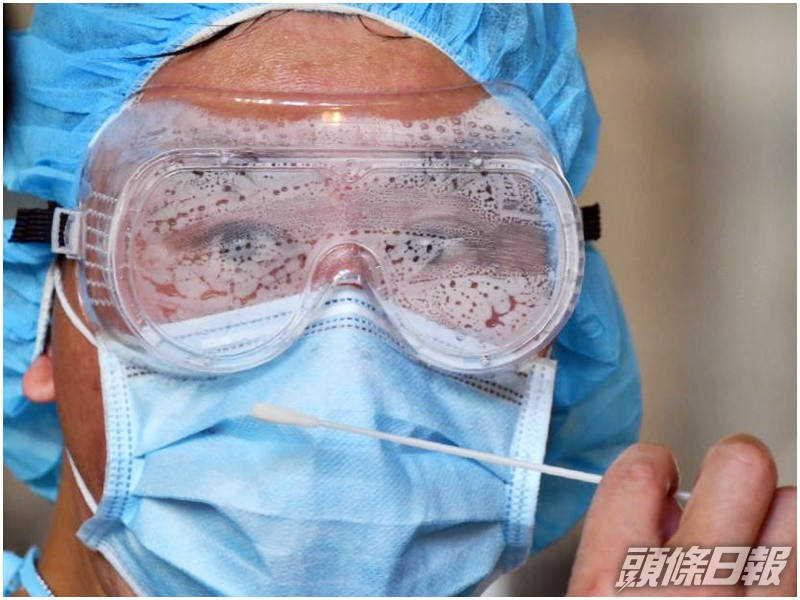
Residents will be register online to undergo a free coronavirus test.