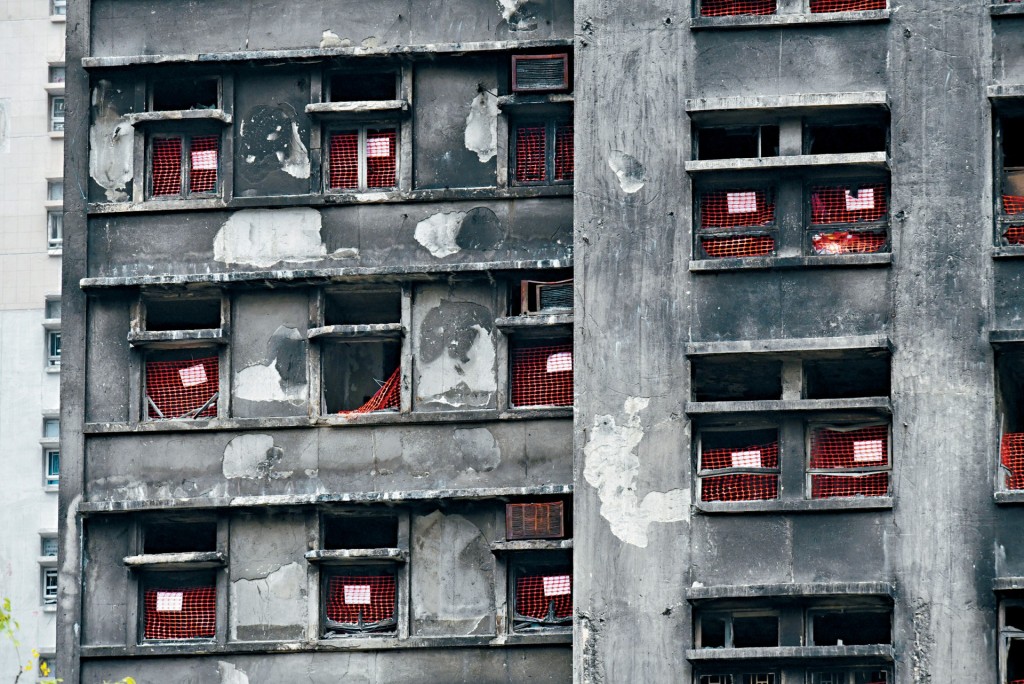
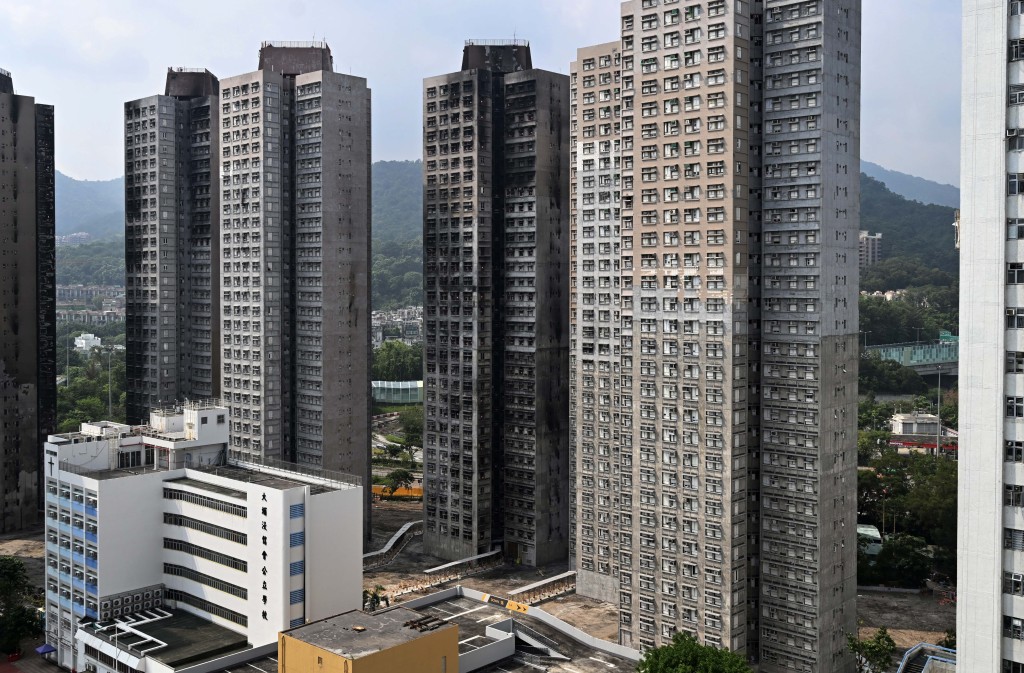
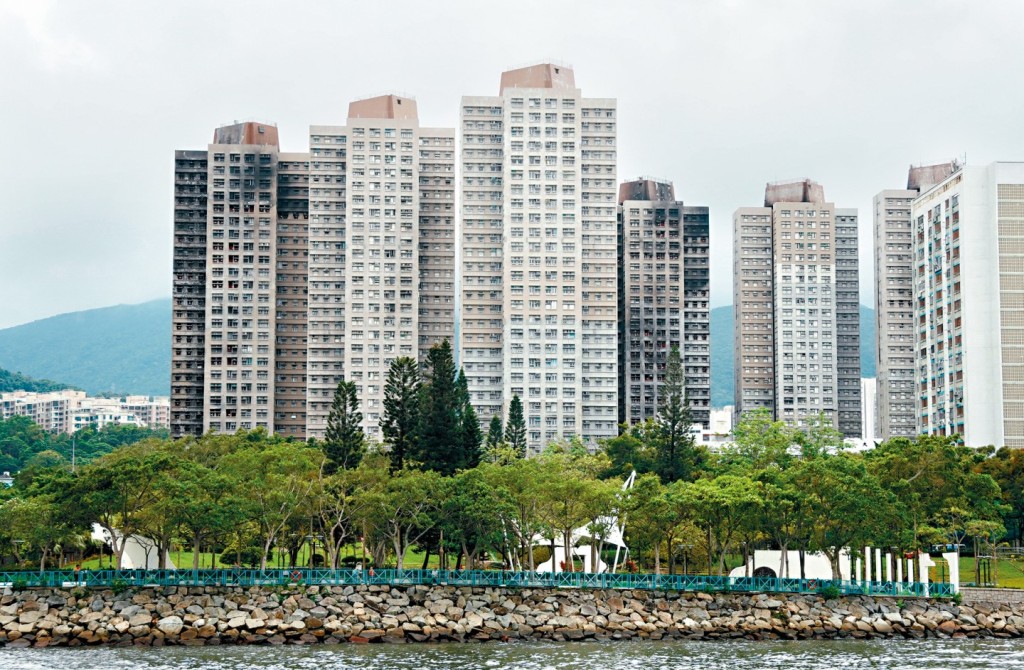
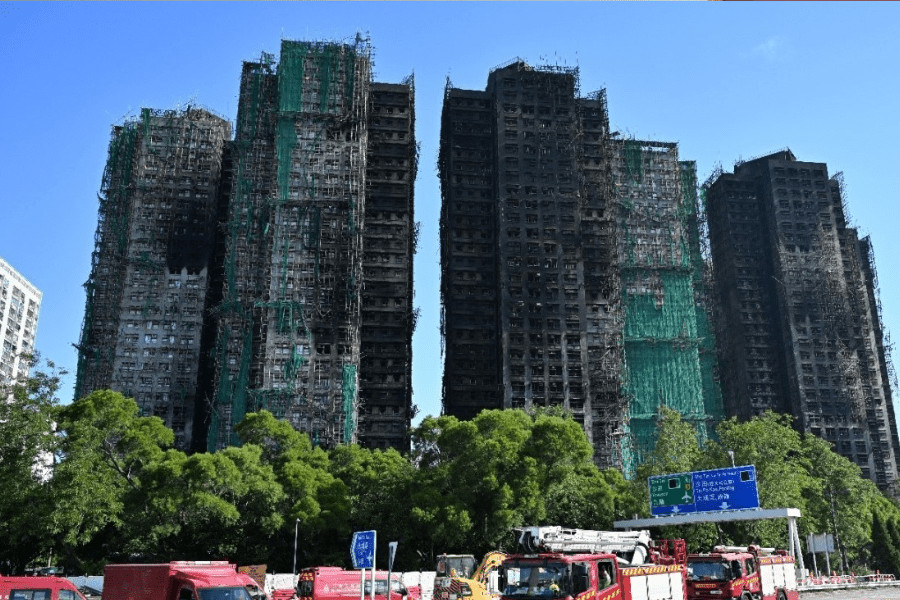
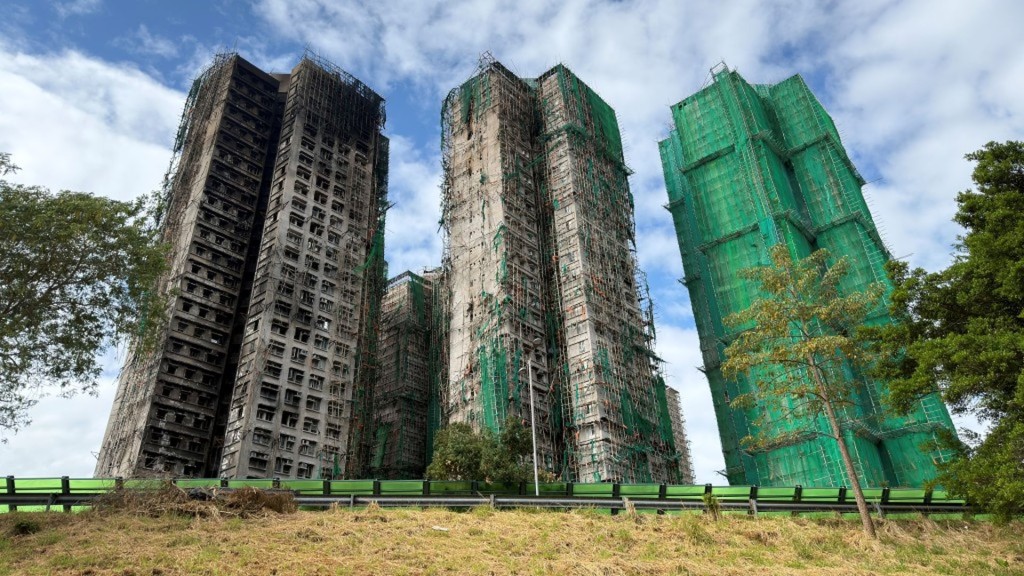
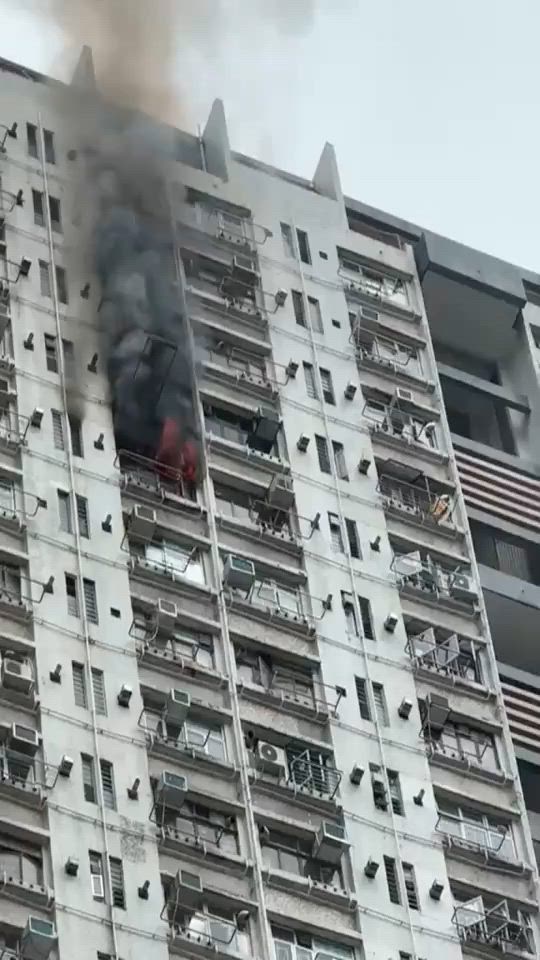
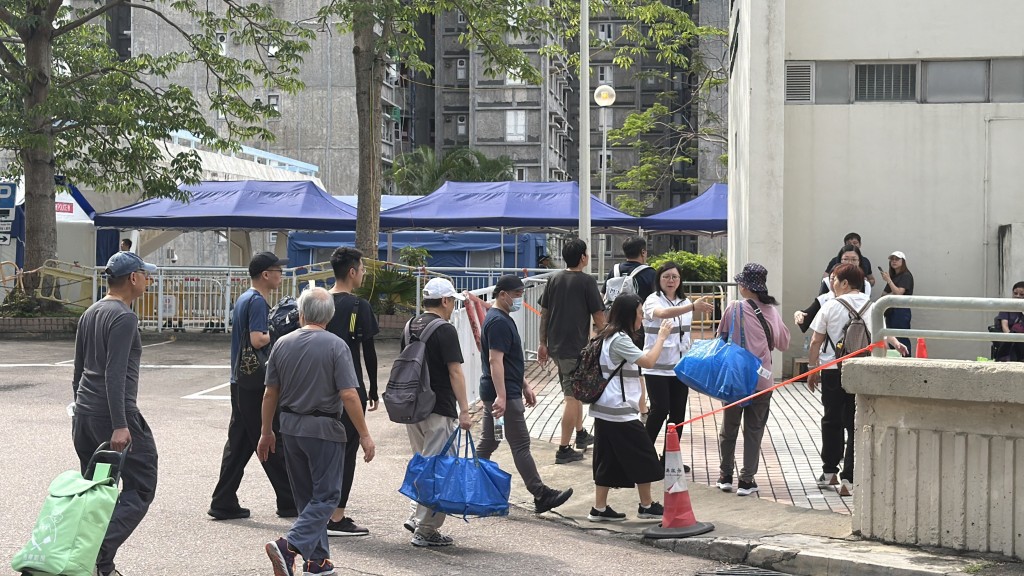
Residents of Wang Fuk Court, whose homes were affected by the deadly fire, are required to complete a health and psychological questionnaire before being allowed to re-enter their flats to retrieve belongings, with guidelines advising that elderly people and children should not enter the buildings.
Under the arrangement, those living in the seven damaged blocks must complete a comprehensive questionnaire that evaluates both their physical and mental readiness.
The four-page questionnaire, distributed by the Social Welfare Department, asks residents to list essential and irreplaceable items, declare any chronic health conditions, and assess whether they are emotionally prepared to view fire-damaged property. Those with respiratory problems, chronic diseases, or who anticipate severe emotional distress are advised not to enter and instead view photographs of their units.
A psychological section asks whether residents are prepared to see charred damage; if they expect strong emotional reactions, the form recommends considering not returning and using photos. It also asks about support networks, noting that entering alone may increase psychological stress, and residents without coping plans are likewise advised not to return.
Those who wish to enter are advised to discuss preparations with social workers in advance and will be allowed only three hours inside their flats. An international trauma questionnaire is also included to assess how much residents have been troubled by traumatic or stressful life events in the past month.
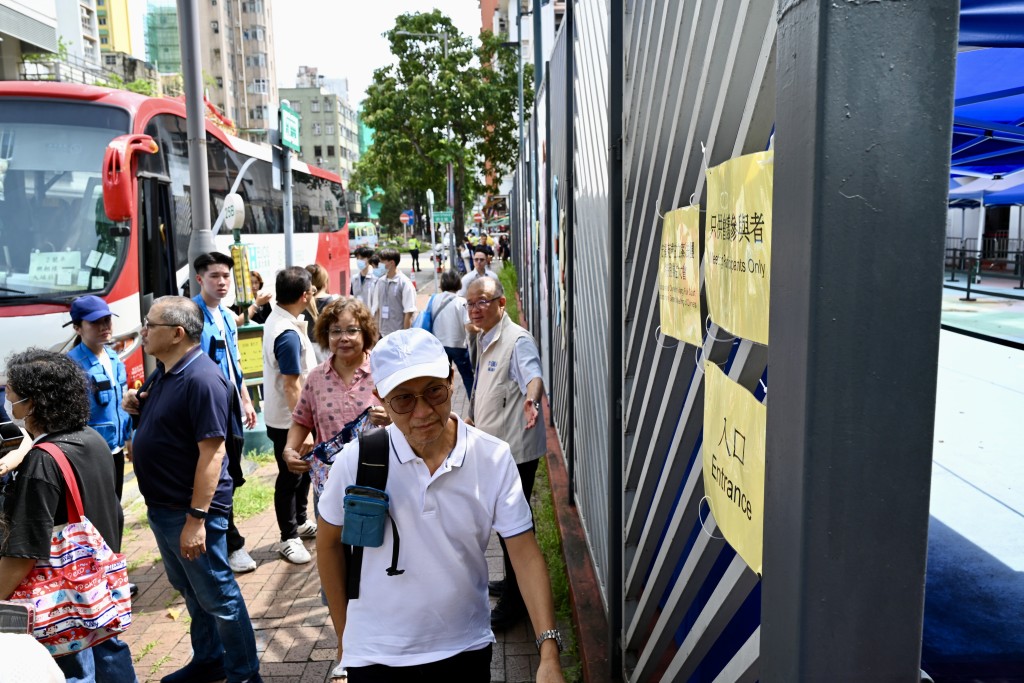
Entry will take place in scheduled batches from April 20 to May 4, with each resident allowed a maximum of three hours inside their flat. Vulnerable groups—such as the elderly, children, pregnant women, and those with mobility challenges—are strongly discouraged from entering the buildings.
Residents have also received official guidelines and rules for entering the buildings. Due to difficult on-site conditions — including lack of running water, possible rotting organic matter and bacteria inside units — and access is by stairs only, elderly people, pregnant women, children, people with mobility difficulties or poor health are advised not to enter, especially those living on higher floors.
With no flushing water available, residents are prohibited from using toilets inside flats and strongly urged to use temporary facilities at the Kwong Fuk Community Hall registration centre or the ground floor of Wang Fuk Court before entering.
They are also reminded that food inside refrigerators may have severely decomposed and should not be opened. Once residents leave their units, police will seal the doors to indicate collection is complete.
The government has also issued guidelines for accompanying persons, reminding companions to monitor their own physical and mental state. Strong and complex emotions such as sadness, silence, or anger are considered normal reactions. Companions should assess their own fitness before agreeing to enter or collect items on others’ behalf.
They are advised to regulate emotions through simple methods such as deep breathing and avoid direct contact with distressing scenes. If anyone experiences palpitations, shortness of breath, dizziness, weakness, or nausea, they should immediately contact on-site support staff.
During the collection process, companions should set clear goals, avoid staying too long, and agree on roles with family members. Patience and sufficient time are needed to process thoughts and feelings. After leaving the site, companions may speak to social workers to process emotions.
Paul Law Siu-hung, chairman of the International Professional Insurance Consulting Association, advised residents to photograph any damage or partially burned items when they return, as written and visual records are crucial for insurance claims. Having police or social workers present can also serve as witness evidence.
For valuables such as gold jewellery, melted or damaged in the fire, Law said insurers may handle claims on a case‑by‑case basis if items were declared when the policy was taken out. Policyholders must be truthful, as false declarations could result in criminal liability.
He reminded residents that property insurance has compensation limits, and valuables generally need to be declared at the time of purchase to be covered; compensation amounts also depend on the type of policy.
Hong Kong Clinical Psychologists Association chairperson Chan Yawen suggested the government should provide photos of the unit conditions in advance to help residents prepare mentally.
She said emotional reactions on return are normal; unless someone is at risk of harming themselves or others, they should let feelings run their course. Intense emotions often ease within a month, though full recovery can take six months to a year.
For severely damaged units where only one person is permitted entry, she recommended staying in phone contact with family or friends to avoid loneliness and heightened stress.
Those with pre-existing mental health conditions or suicidal thoughts should immediately contact social workers, clinical psychologists or psychiatrists for professional support.